


June 11, 2023, 3:50 am | Read time: 4 minutes
Unfortunately, you can’t harvest gummy bears from the gummy bear flower. However, it emits the unmistakable scent of white gummy bears. The plant originally comes from Chile and blooms here from June to September. myHOMEBOOK offers tips for proper care.
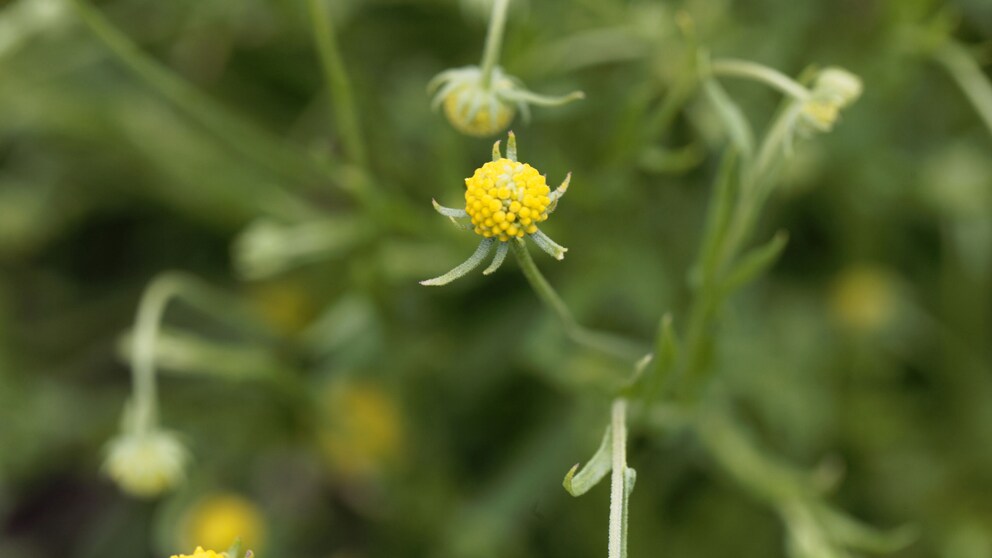
The gummy bear flower, botanically known as “Helenium aromaticum,” is especially popular with children. No wonder, because anyone who has smelled the round, yellow flowers of the plant or rubbed them between their fingers will notice a strong, sweet aroma. Many are reminded of the white gummy bears available in every supermarket. Some say the scent is more like apple or pineapple, which is why it’s also called the apple flower or pineapple flower. Unfortunately, the fruity-smelling flower balls are not edible. Nevertheless, as annual plants, they harmonize well with perennials or other fragrant herbs such as lavender, thyme, or rosemary.

Planting the Gummy Bear Flower
The gummy bear plant is an annual here because it is not winter-hardy. In its native Chile, it grows as a perennial herb due to the milder climate. Therefore, the plant is usually sown or purchased as a young plant at garden centers in our regions.
Sowing the Gummy Bear Flower
The gummy bear flower can be pre-cultivated on the windowsill starting in March. To germinate, the plant needs a constant temperature of at least 15 degrees Celsius, which is why pre-cultivation is necessary. Gummy bear flowers are light germinators, meaning they are placed only on the surface of the soil and kept evenly moist. Seedling soil is suitable as a substrate. After about 14 days, the first seedlings are visible, which can be moved outdoors from May. They do particularly well next to perennials and grasses.
Related: 9 beautiful fragrant plants for the balcony
Appearance and Growth
The gummy bear flower grows to about 40 centimeters tall, with long, thin stems reaching upward, bearing the typical spherical and bright yellow flowers during the blooming period from June. The flower balls themselves have a circumference of only about two to three centimeters but appear in large numbers and enchant with their strong, sweet-fruity scent.
Location and Soil
If you have a fully sunny bed in the garden, you’ve found the perfect spot for the gummy bear flower. The plant doesn’t have special soil requirements. It should be loose and somewhat humus-rich, and waterlogging should be avoided.
Caring for the Gummy Bear Flower
The plant with the fruity scent is easy to care for and therefore suitable for gardening beginners. It also thrives in a pot on the balcony, as long as its minimal requirements are met.
Watering
The gummy bear flower prefers loose soil that should be more dry than moist. Therefore, it’s sufficient to water the plant occasionally. On hot summer days, the gummy bear flower quickly droops its flower balls in excessive heat. At the latest, it needs more water then. However, waterlogging should be avoided at all times. In pots, good drainage at the bottom and omitting the saucer can help.
Fertilization
If the gummy bear flower is planted in a bed enriched with compost in the fall or spring, it doesn’t need additional fertilizer. Plants from garden centers are usually planted in very nutrient-rich soil and are thus sufficiently supplied.
Pruning
The annual plants here grow to a maximum of 40-60 centimeters tall and generally do not require pruning. However, if you want to bring the beautiful flower balls and their scent into your home, you can use them as cut flowers.
Winter Hardiness
In Chile, gummy bear flowers are perennial. This is due to the milder temperatures there. However, the plant does not survive our winter and must be sown or planted anew each year.

The 6 Best Perennials for Beginners
Planting and care tips for lupins in the garden
Usage
Gummy bear flowers are especially popular for their wonderful scent. Children, in particular, love to sniff the plants when they grow in the bed. As cut flowers, the spherical blooms also emit their enchanting fragrance. In Chile, the gummy bear flower is a medicinal plant: its extract is used as a fever-reducing home remedy. The fragrant plant is also used for dyeing.
Diseases and Pests
As a robust and undemanding plant, most pests and diseases cannot harm the gummy bear plant. However, weak plants may be visited by mealybugs, spider mites, or aphids. Pest control products from specialist retailers can help here. Often, it is also beneficial to investigate whether the plant might need a different (sunnier) location or less water to become stronger and thus more resistant to pests.