


March 26, 2026, 8:45 am | Read time: 4 minutes
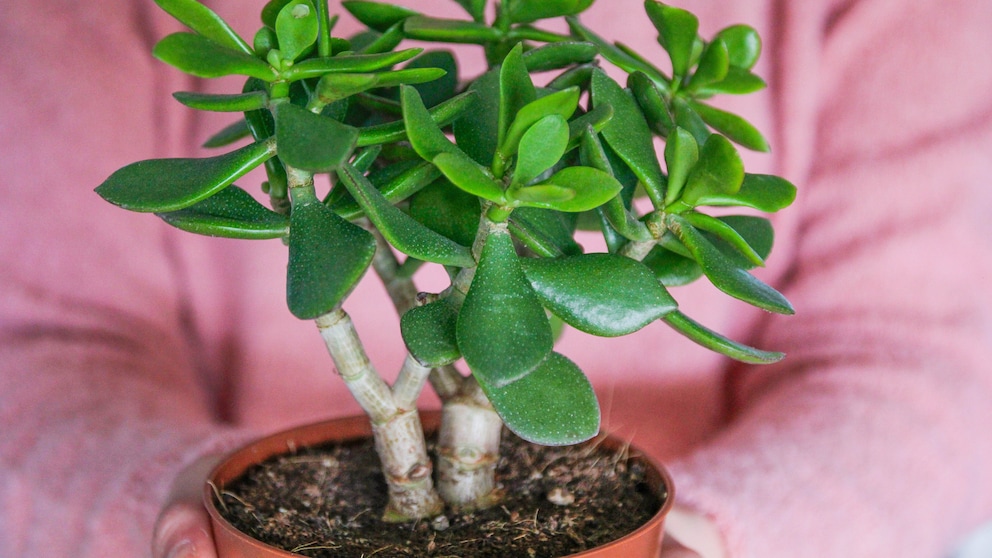
The money tree (Crassula ovata) is considered easy to care for and robust—and it is a good luck charm. However, over the years, the succulent often grows unevenly, tips to the side due to the weight of its water-filled leaves and branches, or develops long, bare shoots. At that point, the question arises: Can you prune the money tree? The answer is clear: Yes—and it even benefits from it if done correctly.
Why Pruning Is Beneficial
Regular pruning ensures the money tree grows compactly, remains stable, and branches out better. Without pruning, it tends to form long, heavy shoots that can break under their own weight. Additionally, targeted pruning can correct the shape, such as when the plant grows unevenly or becomes too tall.
When Is the Best Time to Prune the Money Tree?
The ideal time is in spring or early summer when the money tree begins its growth phase. During this period, cut surfaces heal particularly well, and the plant reliably sprouts new growth. In fall or winter, pruning should only be done in emergencies, as the money tree grows more slowly then.
How to Prune the Money Tree Correctly
- Use a clean, sharp pair of scissors or a knife to avoid bruising.
- Cut shoots just above a pair of leaves—new branches will later form there.
- First, remove long, thin, or unstable shoots, then balance the shape.
- Prune moderately rather than radically: Cutting one-third of the plant per session is sufficient.
What Happens After Pruning the Money Tree?
After pruning, the money tree should not be watered for a few days. The cut surfaces need to dry out, or rot may occur. Afterward, care for the plant as usual: bright, rather dry, and without waterlogging. Often, new shoots appear within a few weeks.
Also interesting: 5 Houseplants for Small Spaces
Making Use of Pruned Shoots
The cut pieces are far too valuable for the trash. A money tree can be easily propagated: Let the shoots dry for one to two days and then place them in dry, well-draining soil. Roots will form quickly—without a water bath. These cuttings quickly grow into independent money trees.

How to Easily Propagate Lavender in Summer

5 Houseplants for Small Spaces in Your Home
Common Mistakes When Pruning
- Too much water immediately after pruning: increased risk of rot
- Dull or dirty tools: poor wound healing due to bruising and infections
- Pruning in winter: weak new growth
- Too radical pruning: unnecessary stress for the plant, and it takes longer to achieve an attractive shape.
General Care Tips for the Money Tree
To keep the money tree healthy in the long term, it’s less about frequent care and more about the right conditions. As a succulent, it stores water in its fleshy leaves—and tolerates dryness much better than excessive care.
- Location: The money tree loves bright and sunny spots. A place by a south-facing window or a very bright east or west location is ideal. In summer, the plant can be moved outdoors. However, gradually acclimate it to the sun to avoid leaf burn.
- Watering: Less is more. Water only when the soil is completely dry. Waterlogging is the most common care mistake and quickly leads to root rot. Excess water in the pot should always be removed.
- Soil and Pot: Optimal is a well-draining, mineral soil, such as cactus soil or potting soil mixed with sand or expanded clay. A pot with a drainage hole is essential—heavy, stable containers also prevent older plants from tipping over.
- Fertilizing: During the growth period from spring to summer, fertilize the money tree sparingly every four to six weeks. Do not fertilize in fall and winter.
- Temperature & Overwintering: Room temperatures are suitable year-round. In winter, the money tree prefers it a bit cooler (50–59 °F) but still bright. This promotes compact growth. Unheated stairwells or conservatories are often well-suited for this.
- Recognizing Warning Signs: Soft, yellowish leaves usually indicate too much water. Wrinkled leaves, on the other hand, are a sign of dryness—in this case, water a bit more generously.

Ideal Housewarming Gift
“I had a money tree for many years that also produced offspring diligently. If one of the fleshy leaves landed on the soil, small roots and a mini money tree quickly formed at the break point. This mini offshoot can be easily placed in a small pot with soil and given as a gift. Ideal, for example, for a housewarming or as a present for an invitation.”