


March 6, 2026, 4:06 pm | Read time: 3 minutes
As soon as the first rays of sun warm the ground, crocuses push their delicate blooms into the light, adding color to gardens still weary from winter. These small early bloomers are considered reliable harbingers of spring—but they are not entirely harmless. myHOMEBOOK gardening expert Franka Kruse-Gering explains how toxic crocuses really are and who might be at risk.
Are Crocuses Actually Toxic?
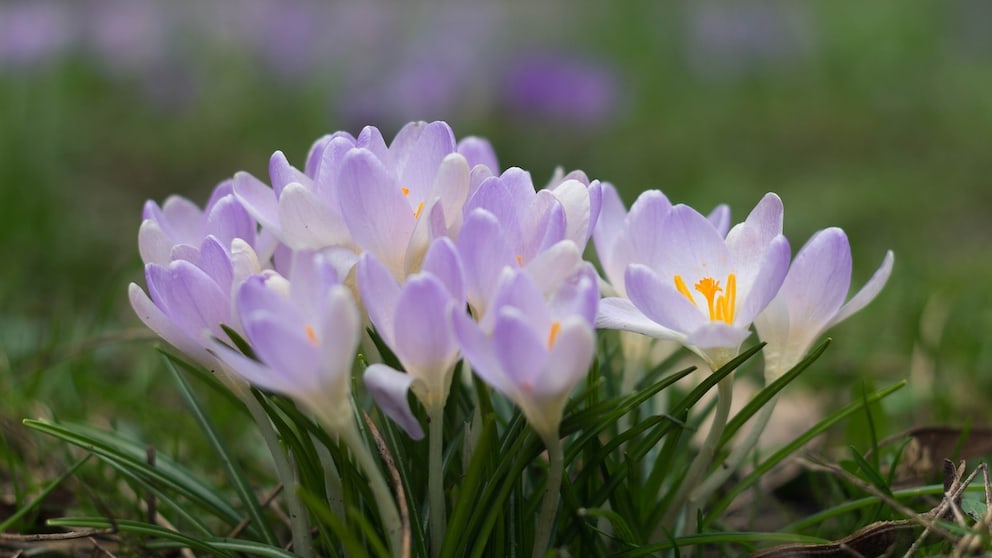
The answer is: Yes and no. It depends on the variety and the living being that comes into contact with the crocus. The typical spring crocuses (Crocus albiflorus), now blooming in flower beds and lawns, are considered “slightly toxic” according to the Poison Center Bonn.
However, this does not mean that poisoning is ruled out. It becomes relevant if plant parts are actually ingested—mere touching is not problematic.
The potentially irritating substances, including saponins and picrocrocin, are present in various concentrations throughout the plant, especially in the bulb, the underground storage organ. Leaves and flowers are also considered slightly toxic, but usually only become relevant if consumed in large quantities.
Beware of This Crocus
The autumn-blooming saffron crocus, on the other hand, is considered toxic. However, it grows less in home gardens and more in cultivated areas. This crocus is used in saffron production.
According to the Poison Center Bonn, the saffron crocus contains essential oils and the bitter compound picrocrocin. In small amounts as a spice or dye, it is considered harmless. However, consuming larger quantities can lead to severe poisoning symptoms. The Poison Center Bonn lists the following symptoms: “Poisoning with vomiting, diarrhea, colic, skin and mucous membrane bleeding, dizziness, delirium, seizures, and collapse.”

Watch out! These 5 Early Bloomers Are Poisonous

Which 5 Garden Plants to Avoid if You Have Children
Watch Out for Children and Pets
Crocuses can be dangerous, especially for young children if they put flowers or bulbs in their mouths out of curiosity, and for pets. Dogs sometimes dig up the bulbs, and cats occasionally nibble on leaves. Rodents can also be affected if they consume large amounts. In healthy adults, symptoms typically only occur after consuming large quantities. The bitter taste of the bulbs makes it nearly impossible to eat large amounts.
If ingestion does occur, the Poison Center Bonn advises drinking plenty of water for a spring crocus. For saffron crocus consumption, it is recommended to visit a clinic.
Act Quickly if Poisoning is Suspected
If poisoning is suspected, the Poison Center advises: “After ingestion of a spring crocus, no therapy is required, but plenty of fluid intake (water) is recommended. In the very rare case of intoxication from the saffron crocus, visit a clinic for poison removal, charcoal administration, and symptomatic treatment.”
Even though poisonings are considered unlikely, one should remain vigilant, especially with children or pets, and keep an eye on them if crocuses are growing in the garden.