


March 2, 2020, 2:57 pm | Read time: 4 minutes
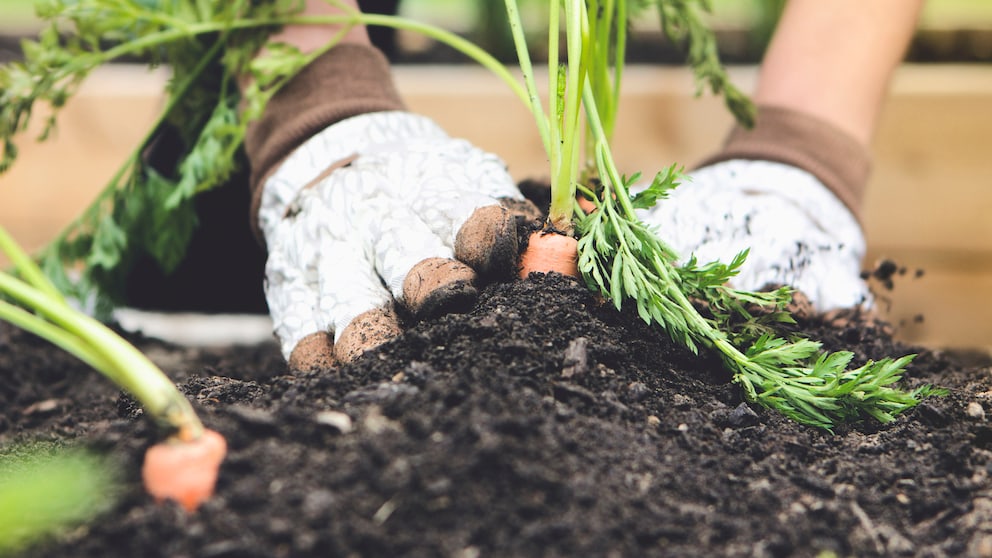
Garden tools like shovels, spades, and rakes are practical helpers for digging–but is there a better and more environmentally friendly alternative? That’s exactly what a gardening trend promises, which is said to have positive effects on the soil, plants, and even the harvest: gardening without digging. myHOMEBOOK consulted experts.
The trend “No-dig gardening,” which translates to gardening without digging, traces back to English gardener and author Charles Dowding. He has been an advocate of this eco-friendly method of garden care for years. By avoiding the use of spades, hoes, trowels, or shovels, the soil is minimally disturbed and thus preserved. As Dowding writes on his website, he can demonstrate good results with successful experiments.
Gardening Without Digging–What’s Behind the Method?
In gardening without digging, as many nutrients as possible should remain in the soil, and weeds should not spread quickly. The background: Healthy soil already contains numerous substances that help plants grow. These include fungal structures, nematodes, and worms that quietly work beneath the surface. By minimizing human interference in this micro-system, the natural state of the soil is supported.
Related: Digging or Aerating–What’s Better for the Garden Bed?
The Benefits of Gardening Without Digging
Dowding has perfected his method of gardening without digging over the years–specifically since 1983. Since then, the experienced gardening expert has identified several benefits, which he describes on his website:
- The mycelium of fungi in the soil remains intact, allowing plant roots easier access to nutrients and moisture. Fungal networks are much finer than plant roots and can penetrate the smallest cavities. This guarantees soil aeration and drainage, resulting in healthy root growth.
- The soil surface remains stable when not disrupted by tools, allowing gardening even in bad weather without sinking into mud.
- Replanting is easier, regardless of the season. Simply twist out the plants from the last harvest, leave the root remnants in the soil, and insert a new plant or seeds.
- The soil requires less frequent watering, as moisture remains longer. When the surface is broken, water escapes or evaporates faster.
- Heat stays longer in the soil, which is especially important during winter months and frost. This also allows for an earlier harvest.
- Carbon remains longer in the soil and is not quickly converted to CO2 through oxidation.
Another significant advantage of gardening without digging is the time saved, as laborious digging and weed removal are eliminated. This leaves more time for the enjoyable aspects of gardening–such as design.
Is Gardening by Hand Worth It?
“Yes, gentle soil cultivation by hand is definitely better,” confirms Sandra von Rekowski from the Federal Association of Allotment Gardeners in Germany in response to a myHOMEBOOK inquiry. The organisms living in the soil should be disturbed as little as possible by soil cultivation. Many of them are specialists and active only in a suitable soil layer.
Also interesting: Can I Tell How Good the Soil Is by Looking at Plants?
Why You Should Skip Digging in the Garden
The Gardening Tool Germans Use the Most
Which Garden Tools Should Be Avoided?
Some garden tools are particularly invasive and therefore less suitable for eco-conscious gardening. “Motor tillers and motor hoes should stay in the shed, as these tools can shred soil organisms like earthworms and woodlice–resulting in a lack of these organisms for creating valuable humus,” recommends von Rekowski. Other tools, however, are better suited. “For soil cultivation, tools like krail, three-prong cultivators, grubbers, hoes, or similar devices that only loosen the upper soil layer and thus preserve soil life are recommended,” advises the gardening expert.
Also interesting: With a Planting Plan, You Can Keep Track in the Garden
What to Do When Gardening Without Digging Isn’t Enough?
In some cases, it may be necessary to use a spade or rake while gardening. For example, if the soil is overgrown, bare hands won’t suffice. But Dowding has an eco-friendly method for this, which he demonstrates in a video: He uses a piece of cardboard, places it on the weeds, and covers it with compost. The weeds die off due to lack of light and become natural fertilizer in the soil.

However, even for larger tasks in the garden, it can be difficult to proceed without tools. “If you plan to dig a hole to plant a tree, a spade or shovel is indispensable–doing it by hand would be too arduous,” says von Rekowski. The tool-free method is mainly suitable for sowing and maintaining plant beds.