


December 23, 2022, 4:12 pm | Read time: 3 minutes
Bare frost can quickly become a problem in the garden during winter and spring. Hobby gardeners need to pay attention to several things. myHOMEBOOK explains where the pitfalls lie.
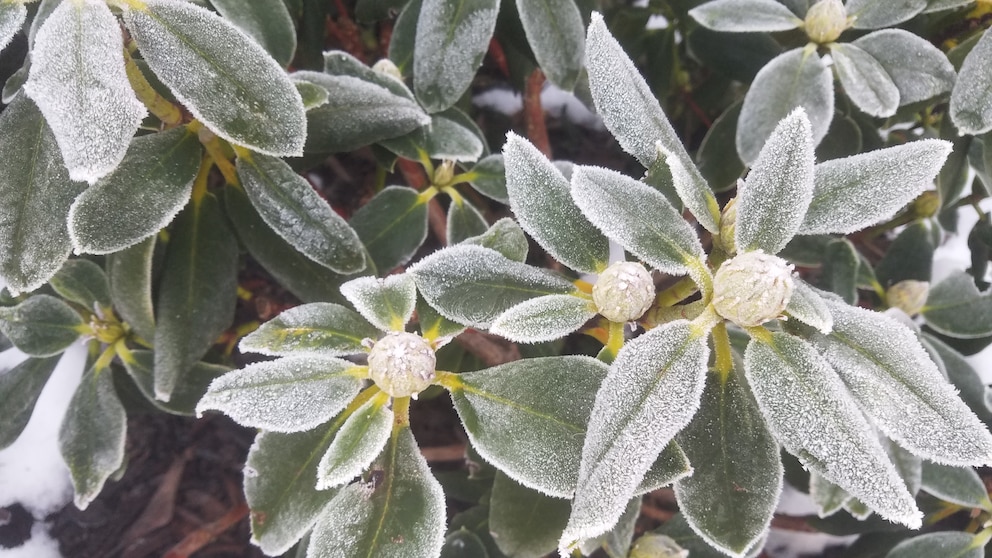
Snow is enchanting to look at. It may seem paradoxical, but a thick blanket of snow protects plants from the cold. Snow acts as a natural insulating layer. If snowfall is absent and it still gets frosty, it’s called bare frost. This can cause severe damage to plants in the garden and on the balcony. The frosty, unprotected ground no longer absorbs water, ultimately causing the plants to dry out. During prolonged cold spells, frost can penetrate up to a meter deep into the ground.
Bare Frost– a Problem for Hobby Gardeners Too?
Bare frost can become a serious problem not only for hobby gardeners. It is especially feared in forestry, agriculture, and horticulture. The longer it lasts, the more damage the frost and dryness cause in the soil. Entire shrubs and plant cultures can die off.

5 Reasons Why Plants in the Garden Don’t Survive Winter

Which Plants Benefit from Frost Protection Fleece?
Which Plants Are Affected by Bare Frost?
The most popular shrubs that are affected by bare frost:
- Barberry
- Rock Cotoneaster
- Thuja
- Cedar
- Rhododendron
Also of interest: What a garden fleece does and what it’s used for
How Do I Protect My Plants from Bare Frost?
Even if they are labeled as winter-hardy, some plants need additional winter protection. Bare frost can quickly become a problem for them too. You can protect evergreen shrubs from the cold by covering them with a fleece before the first frost. Various options are available to protect against bare frost:
Straw or Leaves
Straw and leaves are excellent for protecting perennials in the garden from the cold. Besides rose bushes, you can protect many other plants in the garden during the cold season.
Branches
The branches of coniferous trees protect many plants in the garden from icy cold. You can cut branches from the Christmas tree after the holidays and distribute them around the plants in the garden or on the balcony. Pine branches not only smell good, but the classic covers are also water-permeable–important in dry winter months!
Fleece
Garden fleece can be used for winter covering. Fleece is ideal because it acts as an optimal heat storage and moisture provider for the plants. While the fleece itself cannot warm, fine water droplets condense underneath, forming an insulating and protective layer during frost. Additionally, fleece is air-permeable and therefore better than plastic sheeting. If you use high-quality fleece, it can be reused multiple times.
Wool and Hemp
Wool not only insulates buildings, as myHOMEBOOK explains in this article. The natural material also serves as protection against bare frost. Like hemp, you can wrap wool around plants that are highly threatened by frost. To protect against wind and weather, weigh down the layer with some stones.
Plastic and Bubble Wrap
The bubbles in bubble wrap insulate well against cold and moisture. The larger the bubbles, the better they work. You can simply wrap the plastic around pots, flower pots, or the greenhouse to protect them from freezing temperatures.
But be careful: If sealed too tightly, there is little air exchange. High humidity can quickly lead to mold growth. As a result, the plants may suffer from rot and, in the worst case, die.
Newspaper
Newspaper protects plants from wind, rain, and wind for a short time. Wrapped multiple times, it provides good protection against bad weather for easy transport or short-term use. However, in the long term, the paper does not insulate well against bare frost.