


July 4, 2023, 4:26 am | Read time: 5 minutes
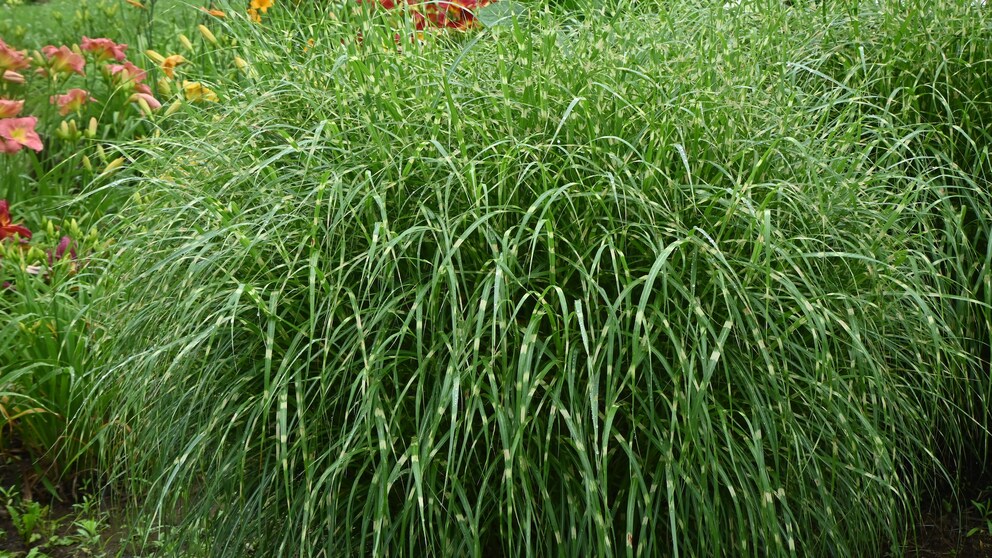
Zebra grass, scientifically known as “Miscanthus sinensis Zebrinus,” is a type of grass often used as a decorative plant in front yards due to its striking striped pattern on the leaves and impressive height. myHOMEBOOK reveals how zebra grass thrives best.
The front yard should primarily be one thing: attractive, inviting, and low-maintenance. Therefore, plants that create a varied appearance and require little pruning, water, or fertilizer can be used freely. Zebra grass is definitely one of these plants. The golden-yellow and green stripes that run across the long stalks of the grass create interesting contrasts, especially when interacting with wind and sun. Zebra grass also pairs well with other small and medium-sized plants, as it can grow up to two meters tall, standing out among other vegetation. It is also suitable as a shade provider next to patios or as a privacy screen.
Planting Zebra Grass
Zebra grass is available in most hardware stores or plant centers—either as a potted plant or seeds. The latter can be cultivated in place during the summer or in a pot on the windowsill in spring. Sowing zebra grass is only for the patient, as although the grass species grows quickly, a young plant from the garden center can naturally serve as a privacy screen or element in the front yard bed more quickly and densely.
Appearance and Growth
Zebra grass is characterized by its distinctive leaves adorned with golden-yellow and green stripes. The stripes appear during the spring and summer. In the fall, the grass takes on a reddish hue, which is also very attractive. The leaves are narrow and, depending on the variety, have an elegant arching form or upright growing leaves that sway gently in the wind.
In late summer and fall, zebra grass, also known as porcupine grass, produces fine, feathery, silvery-white flower spikes. These flower spikes are not as prominent as those of some other grasses but add an additional layer to the plant’s overall appearance. The flower spikes often remain into winter and, when covered with dew or ice, create a striking accent in the garden even in the cold season.
More on this: Ornamental grasses that enhance any bed
Location and Soil
Zebra grass thrives best in full sun but can also tolerate partial shade. It prefers well-drained soil and can handle different soil types as long as they are not too moist. Good drainage is crucial to prevent waterlogging and root rot.
Varieties
Zebra grass varieties mainly differ in their growth height and form. However, the care and location requirements are similar for all.
- Strictus: This variety is also known as striped grass or Japanese silver grass. It has similar stripe patterns to “Zebrinus,” but with a more upright and tidy growth form. The stripes are more green and cream-white in this case. “Strictus” is somewhat more compact and reaches a height of about 1.2 to 1.5 meters.
- Morning Light: This variety is known for its delicate, silvery-white stripes on narrow leaves. Compared to “Zebrinus,” the stripes of “Morning Light” are less pronounced. The plant has an upright growth and can reach a height of about 1.5 to 1.8 meters.
- Gold Bar: This variety is distinguished by its golden-yellow, horizontal stripes that stand out on the green leaves. “Gold Bar” is somewhat more compact than other varieties and reaches a height of about one to 1.2 meters. This variety brings a warm color to the garden and offers an interesting contrast to other plants.
Caring for Zebra Grass
Like other ornamental grasses, zebra grass is relatively low-maintenance. However, the following tips should be considered for watering, fertilizing, and pruning.
Watering
Zebra grass requires regular watering only after sowing or planting. Otherwise, the plant needs water only occasionally and during very hot summers. Waterlogging, however, is harmful to this grass species.
Fertilizing
If zebra grass is planted in a bed, a compost application is beneficial. Otherwise, the plant does not need additional fertilizer.
Pruning
Zebra grass only needs to be cut back close to the ground once a year: in spring just before new growth. The stalks can remain standing over the winter and, even when tied together, are a great eye-catcher that also provides winter quarters for many insects.
More on this: When to prune ornamental grasses and how to do it right
Wintering
Zebra grass is hardy and thus a low-maintenance and undemanding plant for the garden.
Toxicity
Another advantage of zebra grass: It is non-toxic in all parts and can be planted in gardens where children or pets are present.
Propagation
The easiest way to gain more zebra grass plants is by division. After pruning in spring, dig up the clump, split it into two or three parts with a spade, and replant the new plants in the garden. In a short time, new, large zebra grass plants will form from the sections. Sowing seeds from your own plants is also possible but takes some time.
Alternatives
If you’re looking for other low-maintenance grass types that grow tall and add variety to the garden alongside zebra grass, pampas grass is a good choice. It produces particularly attractive flower spikes.
Bee-Friendliness
Zebra grass is wind-pollinated. Therefore, it is not a dedicated bee pasture. However, many insects, including pollinators, overwinter in the plant’s dry stalks.

6 tips for a low-maintenance garden

6 Hardy Perennials for the Garden
Usage
Due to its attractiveness and easy care, zebra grass is the perfect plant for the front yard. It also works well next to patios or fences as a privacy screen. If you want to create a cozy shaded spot in the garden, fast-growing zebra grass is a good choice.
Diseases and Pests
If zebra grass stands too long in completely dried-out soils and receives a lot of sun, sunburn on the leaves is possible. Otherwise, this grass species is very robust.