

October 1, 2025, 2:59 pm | Read time: 3 minutes
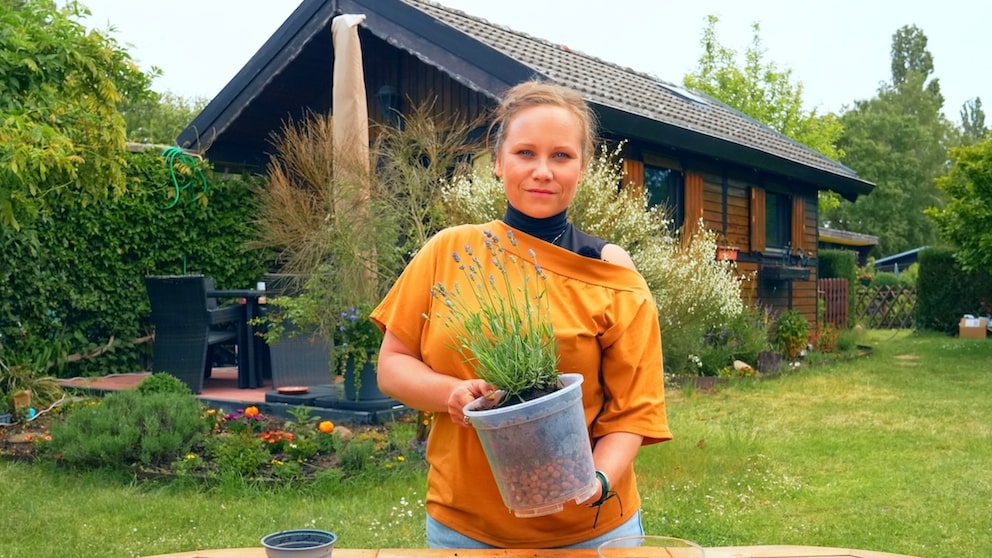
Potted plants need drainage to prevent water from accumulating. Most plants cannot tolerate waterlogging—the soil becomes waterlogged, the roots get no air, and they can rot. Drainage prevents this by channeling away excess water. myHOMEBOOK gardening expert Franka Kruse-Gering explains what materials are needed and how to set up drainage in a pot.
What Do You Need for Drainage in a Flowerpot?
If you want to install drainage in a container, make sure the vessel has at least one drainage hole. This allows excess water to drain out. You will also need:
- Clay shards: Old pots can be recycled for this, or you can use pebbles or large expanded clay. It’s important to cover the holes in the pot to prevent soil from spilling out.
- Expanded clay: These small pellets are made from ground, low-lime clay. They absorb water but do not become completely saturated.
- Fleece: This layer prevents the drainage from becoming clogged with soil.
What to Consider When Repotting Potted Plants
Which Tricks Really Keep Plants Moist Longer in Summer
How Do You Proceed?
Setting up drainage in a flowerpot is not complicated. Here’s how to do it:
- First, place a clay shard or a large pebble over the hole at the bottom of the pot.
- Next, fill the container with a two to three centimeter thick layer of expanded clay. Alternatively, you can use gravel here.
- Cover this layer with a large piece of fleece. This serves as protection from the potting soil and also filters the water.
- Finally, add soil on top of the fleece, and the plant can be potted as usual.
Simple Trick for Drainage in a Flowerpot
If you don’t have the right materials for drainage on hand, you can use a household item from the kitchen. For the alternative drainage, you need a few old sponges—the number depends on the size of the flowerpot. Hobby gardeners need to cut the sponges into small pieces and place them at the bottom of the flowerpot, just as they would with expanded clay or other drainage materials.
Also interesting: Which Plants Are Suitable for Expanded Clay
The sponges not only create space in the pot, allowing air to circulate more easily, but they also absorb excess water. They even have an advantage for the potting soil, as the stored water acts as a reserve for the soil, preventing it from drying out too quickly.
The same principle works with old corks. They can be placed whole in the flowerpot. They also create more space at the bottom of the container, ensuring adequate ventilation. They can also store water, though not as effectively as sponges.