


September 29, 2025, 2:24 am | Read time: 4 minutes
The rubber plant (Ficus elastica) is one of the most popular houseplants. With its large, glossy leaves, it is a real eye-catcher and is considered easy to care for. Originally, it comes from the tropical rainforests of India and Southeast Asia, where it can reach heights of up to 30 meters as a tree. In its native habitat, it often grows as a mighty jungle tree with aerial roots that spread far. Here, it remains much smaller in a pot but can reach the ceiling indoors—provided it receives proper care. Sometimes, the rubber plant suddenly loses leaves, causing owners to panic. However, the cause is often either harmless or easy to fix.
Overview
Rubber Plant Losing Leaves: Natural Leaf Drop or Care Mistake?
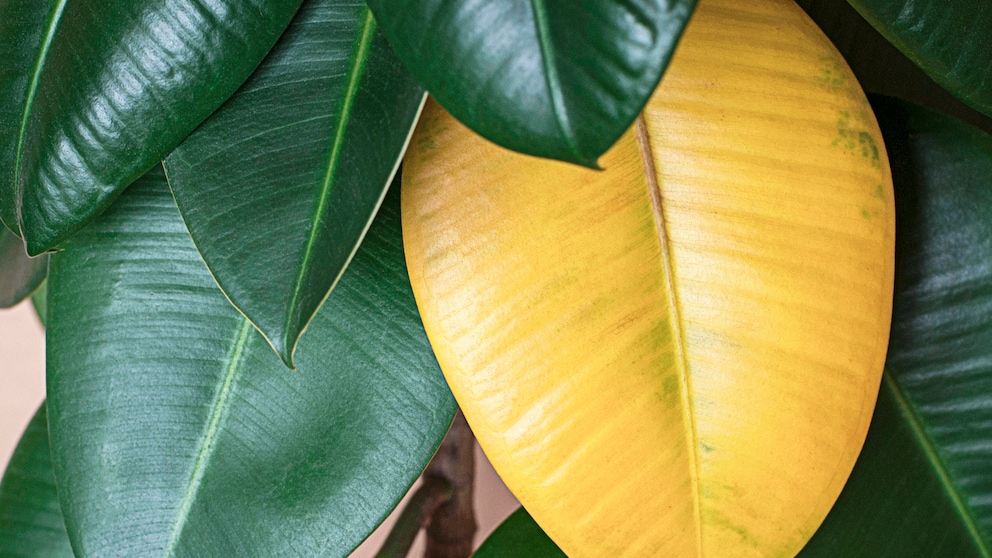
First, it’s important to distinguish: A slight leaf loss is quite normal for the rubber plant. Older leaves, especially in the lower area, are regularly shed to make room for new shoots. However, if it loses many leaves at once or if young, healthy leaves fall off, there is often a care issue that needs closer attention.
Common Causes of Leaf Loss in Rubber Plant
- Change of Location: The rubber plant is very sensitive to changes. Moving the pot to a new spot can cause stress, leading the plant to shed leaves to conserve energy.
- Drafts and Temperature Fluctuations: A location that is too cold or drafty—such as near a window or door—can harm the rubber plant. Even heating warmth in winter can be problematic. Ideal temperatures are between 64 and 72 degrees Fahrenheit without significant fluctuations.
- Incorrect Watering: Waterlogging is one of the most common causes of leaf loss. If the roots are constantly in water, they begin to rot, quickly showing through yellow, falling leaves. But dryness is also harmful: If the plant gets too little water, it will also shed its leaves.
- Insufficient Light: The rubber plant needs plenty of brightness but cannot tolerate direct midday sun. If it is too dark, it can hardly perform photosynthesis—leaves turn yellow and fall off.
- Pest Infestation: Spider mites, scale insects, or thrips can weaken the rubber plant. Typical signs are sticky leaves, small webs, or light spots on leaf surfaces. Especially in winter, infestation is often promoted by dry heating air.
Why the Ficus Loses Leaves in Winter

5 Popular Houseplants That Don’t Tolerate Relocation
How the Rubber Plant Thrives and Loses Fewer Leaves
- Proper Watering: The soil should be slightly moist but never wet, and water should not accumulate in the pot or saucer. It’s best to water the plant only when the top layer of soil has dried out. If water collects in the pot, it’s best to pour it out immediately.
- Place in Bright Location: A spot at an east or west window is optimal. Here, only morning or evening sun reaches, avoiding direct midday sun. The north window is too dark for the rubber plant, especially in winter. If there’s no alternative, a plant lamp can help in winter.
- Wipe Leaves: Regularly remove dust with a damp cloth—this improves the photosynthesis of the leaves and also provides a decorative shine.
- Combat Pests Early: Especially in winter, regularly check the leaves (and undersides) for pest infestation. If infested, thoroughly shower the plant and use special plant protection products for the specific pest if the infestation is severe.
- Patience: It can take some time for the rubber plant to sprout new leaves. If leaves fall off in fall or winter, it may take until spring for new shoots to develop.
Alternative Ficus Species
Besides the rubber plant, there are other Ficus species suitable for the home. Particularly robust and easy to care for are:
- Ficus benjamina (Weeping Fig): popular as a classic houseplant, but similarly sensitive to location changes. The weeping fig can quickly lose a few leaves, but due to the quantity and size of the leaves, it is less noticeable than with the rubber plant.
- Ficus lyrata (Fiddle Leaf Fig): decorative with its particularly large leaves, but requires a lot of light.
- Ficus microcarpa (Chinese Banyan): also known as Laurel Fig or Bonsai Ficus. It has compact growth and is considered more robust and easier to care for than its relatives.

Mist Spray in Winter
“Not only the rubber plant, but other tropical houseplants also suffer in winter from the dry heating air in our homes. If you want to do them a favor, regularly spray the leaves with water. The light mist temporarily increases humidity, providing better conditions for the plant.”