


February 6, 2026, 11:08 am | Read time: 2 minutes
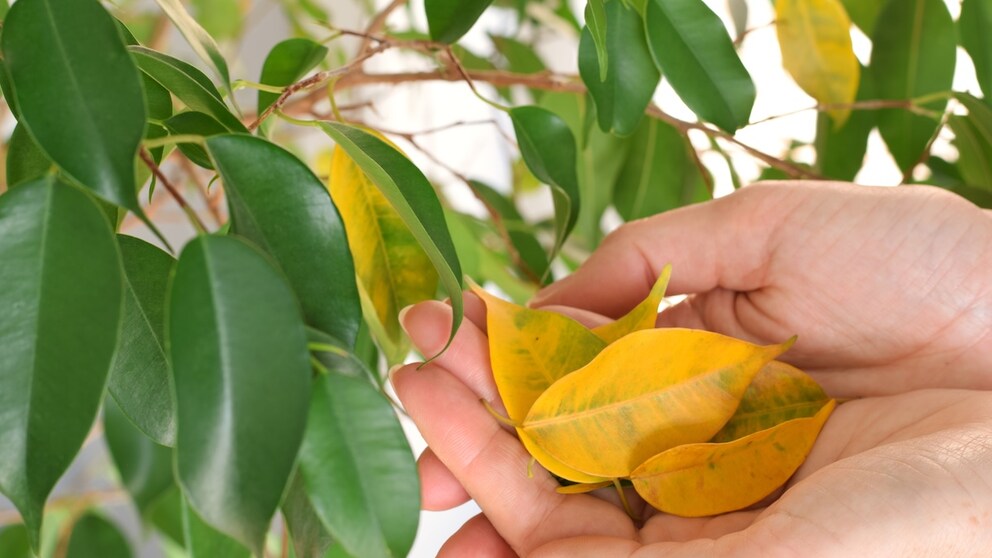
Many houseplants show changes during the winter months, and the ficus is no exception. Increased leaf loss is often noticed only after a few weeks when the plant becomes visibly sparser. This often causes uncertainty, although in most cases it is not an acute problem. Leaf drop is more of a reaction to changed environmental conditions indoors during the dark season. myHOMEBOOK presents four reasons why the ficus loses its leaves in winter.
1. Lack of Light as a Central Factor
The main reason why the ficus loses its leaves in winter is the reduced availability of light. Short days, a low sun position, and frequent cloud cover mean the ficus receives significantly less light than in other months. Photosynthesis slows down, energy production decreases, and individual leaves can no longer be adequately supplied. These leaves turn yellow and are eventually shed. Plants not directly by the window or whose location is not adjusted in winter are particularly affected.
2. Temperature, Cold, and Drafts
Besides light, temperature plays a crucial role. Ficus prefers consistent warmth and is sensitive to cold stimuli. Cold air during ventilation, nighttime cooling at windows, or a pot on a cold surface can disrupt the plant’s metabolism. The resulting stress often manifests in sudden leaf drop, which often coincides with such cold events.

Rubber Plant Losing Leaves? Here’s Why It Might Be Happening

5 Popular Houseplants That Don’t Tolerate Relocation
3. Water Balance and Root Health
A very common reason for winter problems is an unadjusted watering schedule. Since the ficus grows more slowly with less light, it requires significantly less water. If the soil remains consistently moist, the roots suffer from a lack of oxygen. Weakened roots can no longer reliably supply the leaves, which initially show yellowing and eventually fall off. Overwatering is therefore considered one of the most common causes of winter leaf loss.
4. Location Changes and Adjustment Stress
Changes in location can also promote leaf drop. When the ficus is moved, light conditions, temperature, and air movement change. Many plants react to this transition with a delay. Leaf loss often begins only after one to three weeks and is a sign of an adjustment phase to the new conditions. However, this reaction is not specifically related to winter. The ficus usually responds to location changes by shedding leaves.