


September 16, 2026, 4:43 am | Read time: 3 minutes
Buying new seed packets every year is often unnecessary. Many plants readily self-seed—if you let them. Learn how it works and which plants are particularly good at self-seeding on myHOMEBOOK.
The garden is still in full bloom, but fall is unmistakably creeping in. While most marigold blooms still shine in vibrant orange tones, others have already faded and are forming seeds. If you don’t cut back the faded blooms in time, you give the plants a chance to self-seed. When the seed heads are dry and burst open, the seeds fall to the ground or are carried away by the wind.
Follow myHOMEBOOK on WhatsApp now
What Facilitates and Hinders Self-Seeding
Not Every Plant Self-Seeds
Not every garden has self-seeding plants. Some species primarily propagate through runners, bulbs, or other plant parts. Even viable seeds don’t automatically sprout the following spring. Some require specific conditions to break dormancy, while others are frost-sensitive or don’t tolerate winter moisture well.
From Seed to Young Plant
A dense mulch layer can be a hindrance to self-seeding—from both sides. Either the seeds struggle to reach the soil because they get caught in the mulch, or they make it to the ground but then lack enough light to germinate or enough strength as young plants to break through the mulch layer.
Some seeds germinate in the fall and overwinter as young plants, while others don’t germinate until spring. And not always in the spot where the plant originally stood. Some seeds are dispersed by animals, others by the wind. When weeding, be careful not to mistake seedlings for weeds and remove them. You can thin out densely packed seedlings to give each plant the space it needs.
Summer Flowers That Are Typical Self-Seeders
Marigold, cornflower, poppy, love-in-a-mist, snapdragon, cosmos, and nasturtium are very successful at self-seeding. Not quite as abundantly and reliably, but still not uncommon, sunflowers also self-seed.
If you want many blooms, you usually cut back faded flowers quickly, as this encourages the plants to produce new blooms. However, if you want the flowers to self-seed, you should leave the faded blooms at least until the end of the season so the seeds can mature and fall.
Also interesting: These gardening tasks are due in September
Perennials That Self-Seed
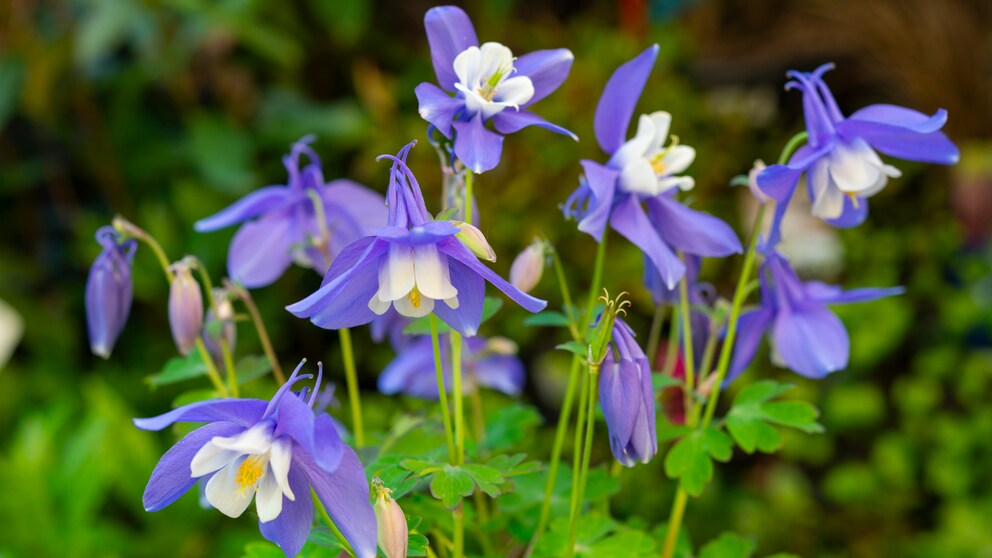
Columbine, oxeye daisy, wild mallow, foxglove (caution: highly toxic), lady’s mantle, and cranesbill are among the most reliable self-seeders among perennials. Some are biennial or short-lived, others perennial, but in both cases, if self-seeding is repeatedly prevented or not deliberately reseeded, such plants can disappear from the bed over time.
Also interesting: 5 Tips for Propagating Perennials in Early Fall
Flowers in the Vegetable Garden Are the Secret Weapon for Your Yard
What’s Behind the “Chaos Gardening” Trend?
Vegetables and Herbs with Initiative
Some vegetables and herbs can self-seed. With dill, arugula, and lettuce, it’s relatively easy: Just let a few particularly strong plants bloom instead of harvesting them. If you want lamb’s lettuce and Swiss chard to self-seed, you’ll need a bit more patience, as they usually don’t flower until the following year and must overwinter in the bed. Thyme can also self-seed if you don’t cut all the blooms.
Weeds: The Uncrowned Stars of Self-Seeding
Nature doesn’t need gardeners. While we buy seeds, draw rows, and decide where each plant should grow, weeds like chickweed, dandelion, shepherd’s purse, broadleaf and narrowleaf plantain, and gallant soldier handle their own seeding. And they do it year after year, with a persistence that many garden plants could learn from. I think they deserve a bit more recognition for that.