


October 16, 2026, 3:32 pm | Read time: 3 minutes
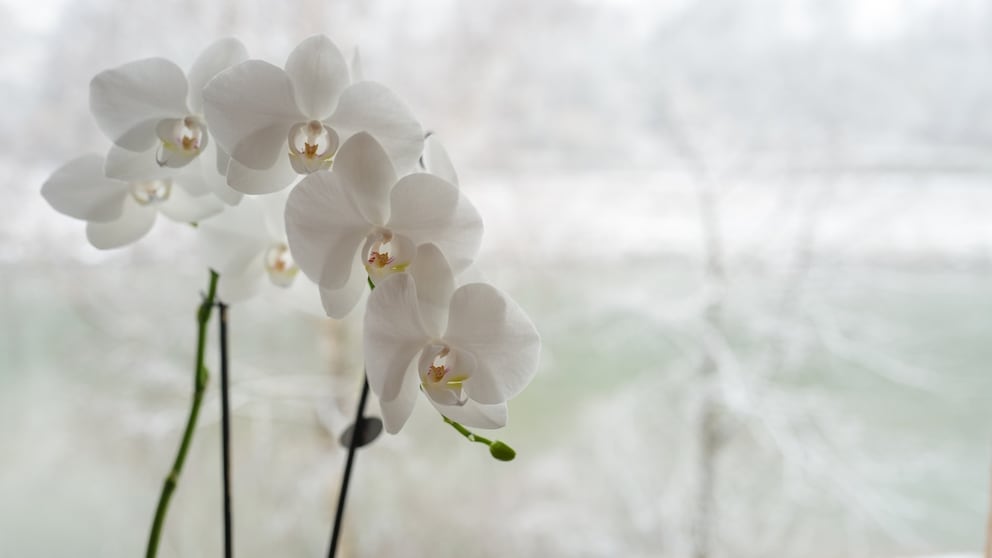
Orchids bring color into the home even during the winter months, making them one of the most popular houseplants. However, the conditions for these exotic plants change with the cold season: Days become shorter, natural light decreases, heating air dries out the indoor air, and temperatures fluctuate more. To keep the plants healthy and continue showcasing their blooms, proper care is now essential. myHOMEBOOK reveals what orchids particularly need in winter.
Follow myHOMEBOOK on WhatsApp now
1. Ensure Adequate Light
In winter, a bright spot by the window is ideal for orchids, but it also creates unique temperature zones. The windowpane and exterior wall cool significantly, making the windowsill much colder than the room air. Pots placed directly on stone or plastic windowsills lose warmth from below, while cold air sinks down the pane.
Often, there is also a radiator under the windowsill. While it warms the room air, it dries it out significantly and can heat the pot from below, leaving the plant exposed to the cold from the window above. This creates an unfavorable mix of cold roots, warm air, and dry heating air for orchids. A solution is a spot near the window but with some distance from the pane, combined with an insulating base and sufficient distance from the heater, so that light, temperature, and humidity remain better balanced.
2. Water Orchids Properly in Winter
Even in winter, orchids are still soaked rather than traditionally watered. The method doesn’t change, just the handling of water. Since the plants grow more slowly and use less moisture in the cold season, the substrate stays moist much longer. Therefore, soaking is only done when it is almost completely dry.
After soaking, it’s especially important to let the pot drain well, as cold, wet roots are sensitive and rot faster. Switching to watering is unnecessary and often even unfavorable, as water is distributed unevenly or remains in the pot. Soaking remains the right method in winter–just less frequently and with more patience.
Also interesting: Should you cut off the aerial roots of orchids?
Orchid Losing Buds? Causes and Solutions

Possible Reasons Why Orchids Lose Their Blooms
3. The Climate Must Be Right
Most orchids thrive at consistent temperatures around 64 to 72 degrees Fahrenheit. Cold windowsills, drafts, or strong temperature fluctuations are less favorable. Brief ventilation is better for the plants than permanently tilted windows, where cold air directly reaches the leaves.
Humidity should also be monitored. Many common orchids originate from regions with high humidity. In winter, they often suffer from dry heating air. Limp leaves or bud drop can be early signs. A slightly increased humidity, such as through water bowls or occasional misting, is usually sufficient. It’s important that no permanent moisture remains on the plant.
4. Postpone Fertilizing and Repotting
In winter, orchids should not be repotted and should be fertilized very sparingly or not at all. During this time, growth and root development slow significantly, making the plants less able to handle additional interventions. Even well-intentioned care measures can do more harm than good now.
That many orchids still bloom in winter is not a contradiction. The blooms were usually set weeks earlier and are now opening while the plant otherwise enters a rest phase. Respecting this winter rest and avoiding unnecessary care ensures that the orchid holds its blooms for a long time and grows vigorously again in spring.