

August 4, 2025, 8:55 am | Read time: 3 minutes
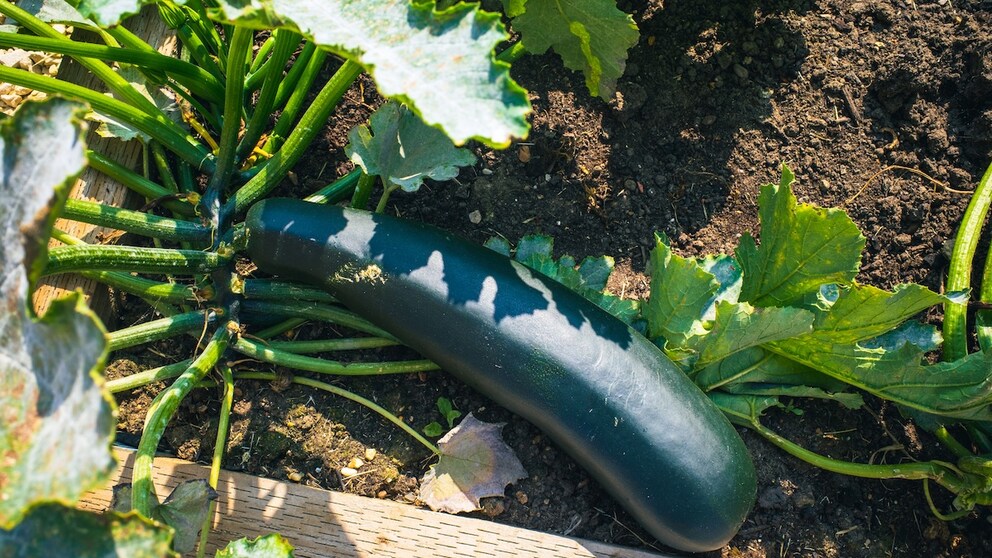
For those with little experience in growing vegetables in their own garden, zucchini can be ideal. The vegetable is relatively easy to care for. However, hobby gardeners should keep an eye on homegrown zucchini, as they can sometimes be toxic.
Overview
How Do Homegrown Zucchini Become Toxic?
At first glance, it might not be obvious, but zucchini and pumpkins are related. They both belong to the gourd family, which can be quite potent. Gourds can develop a toxin called cucurbitacin. This toxin is so strong that it is used in insecticides and fungicides. Hobby gardeners can taste this toxin, as it is a bitter substance. While supermarket zucchini are bred not to produce cucurbitacin, homegrown zucchini can sometimes be toxic.
When growing zucchini (or ornamental gourds) yourself, the formation of the toxin can be encouraged in two ways.
- High temperatures! The vegetable becomes stressed in heat, which stimulates the formation of the toxin.
- Growing near ornamental gourds! The proximity of the two plants can lead to cross-pollination, which can result in the formation of cucurbitacin.
In general: Only seeds from the store can guarantee that the plant and later the vegetable do not contain the toxin.
How Can I Tell if My Zucchini Is Toxic?
You can tell if homegrown zucchini or ornamental gourds are toxic by a bitter smell. Note: A bitter taste can also indicate the presence of the toxin! This can still be detected after cooking, as the toxin cannot be destroyed even at high water temperatures. If you notice an unusual taste or smell, you should stop consuming the vegetable immediately and dispose of prepared dishes.

Is an oversized zucchini still edible?

Why the Green Death Cap Mushroom Is So Dangerous
How Dangerous Is the Zucchini Toxin?
Consuming small amounts is not life-threatening. However, it can cause symptoms such as discomfort, nausea, or diarrhea. Consuming large amounts can be dangerous, potentially leading to bloody diarrhea.
As the Consumer Advice Center informs, poisoning should be taken seriously. In larger quantities, the bitter cucurbitacin can be fatal. However, this is rare, as the zucchini is usually so bitter that you don’t want to eat it further. And you shouldn’t. After consuming a bitter zucchini from the garden, the Consumer Advice Center recommends seeing a doctor.
What Not to Do in Case of Poisoning
- Never stick your finger down the throat of the poisoned person. There is a risk that vomit could enter the lungs.
- Do not give milk, as it accelerates the absorption of the toxin in the intestines.
- Do not administer saltwater to induce vomiting. This can have fatal consequences!
- Medical charcoal should only be administered by medical personnel.
Warning: If poisoning occurs, seek medical advice as quickly as possible! For life-threatening symptoms such as unconsciousness or seizures, call emergency services at 112. Otherwise, the poison control center’s emergency number is available 24 hours: 0228 19240. The brochure from the poison control center provides information on what to do in an emergency.