


October 20, 2025, 7:15 am | Read time: 4 minutes
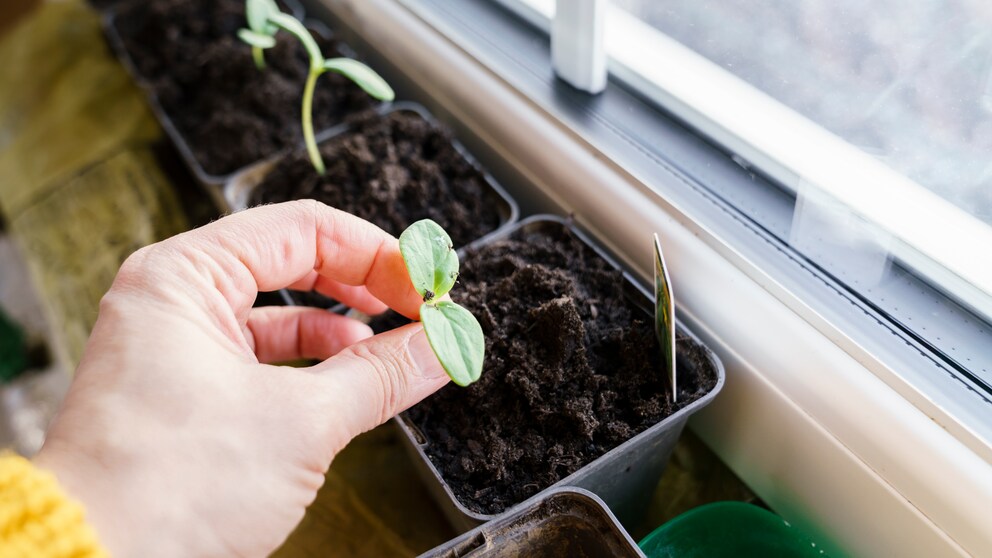
If you want to harvest a bountiful crop from your vegetable garden in the summer, you should start sowing in the spring. However, many types of vegetables only thrive early on the windowsill. myHOMEBOOK explains which plants should be started in March.
Spring is knocking at the door, and the first early bloomers are adding splashes of color to otherwise bare lawns and beds. By now, most gardeners are itching to start planning their vegetable gardens. Good planning is already half the battle, because if you wait until the largely frost-free May to sow outdoors, you won’t get a good harvest from most varieties. Especially tropical fruits like tomatoes, zucchini, or eggplants need a longer growing season than our climate offers. Therefore, heat-loving vegetables must be started early on the windowsill.
Overview
Plants to Start in March
While carrots, leaf lettuce, or spinach can germinate outdoors even in cooler temperatures and are difficult to transplant, some vegetables need the growing time indoors. Only here are the temperatures consistently right for the seeds to germinate and the young plants to grow. By mid to late May, they are strong enough to move outdoors. These vegetables include, for example:
- Tomatoes
- Eggplant
- Zucchini
- Leeks
- Fennel
- Head lettuce
- Kohlrabi
- Cauliflower
- Broccoli
Bell peppers and chili peppers should ideally be sown indoors as early as February. If you haven’t done so yet, you can still catch up now, but you may enjoy your plants for a shorter time. Pepper plants take relatively long to bear fruit and for these to ripen.
Also interesting: 6 Shrubs That Bloom in March

How to Use Egg Cartons for Plant Seedlings
What to Consider When Pre-Growing Zucchini
How to Start Seeds
There are various ways to start seeds indoors:
1. Coconut Coir Pellets
The coconut coir pellets are made of compressed coconut fibers. When they come into contact with water, the pellet swells and forms a substrate-like material. Usually, there is already a depression in the center for planting the seeds.
The coir pellets can simply be placed in a shallow, deep dish and then filled with water. However, they only provide a suitable home for the sprouted plants for a short time, as they offer few nutrients and tend to mold. Once the seedlings have developed their first pair of leaves, they should be transplanted into small pots with seed-starting soil.
2. Egg Carton
If you don’t want to buy coir pellets, you can also use what seems like paper waste. Fill the bottom of an egg carton with seed-starting soil and place the seeds in the resulting mini pots. Moisten well with water. Here, too, the seedlings must be transplanted into pots after a short time, but they benefit from the initial weeks of growth.
3. Mini Greenhouse
If you want to invest and have it as conveniently as possible, opt for a mini greenhouse, which is available both with and without an electrical supply. More expensive models provide not only a planting tray but also a cover.
Tips for Successful Seed Starting in March
- The substrate should be kept moist. Drafts and generally too cold air at night should be avoided. The seeds can otherwise suffer shock, and cold, damp soil can lead to mold indoors.
- Tomatoes should not be sown before March. The climate in Germany usually allows planting outdoors only in mid to late May. The long time indoors should always be considered when sowing tomatoes.
- Properly labeling your seedlings is a clear advantage. Many varieties are difficult for beginners to distinguish at first.
Starting Seeds
“If you want to start a few vegetable plants for the balcony or a small garden bed, you usually don’t need professional equipment. Of course, a mini greenhouse can be fun to maintain, but it often comes with higher initial costs. Egg cartons, cut-open Tetra Paks, or even self-folded pots made from newspaper are perfectly sufficient for the first weeks of seed starting.”
The German original of this article was published in March 2024.