


August 1, 2025, 3:58 am | Read time: 5 minutes
The oleander is one of the most popular Mediterranean potted plants–but when its evergreen leaves suddenly turn yellow, many hobby gardeners become concerned. What causes these discolorations? myHOMEBOOK explains the most common reasons for yellow leaves on oleander–and what can be done about it.
Why Does the Oleander Get Yellow Leaves?
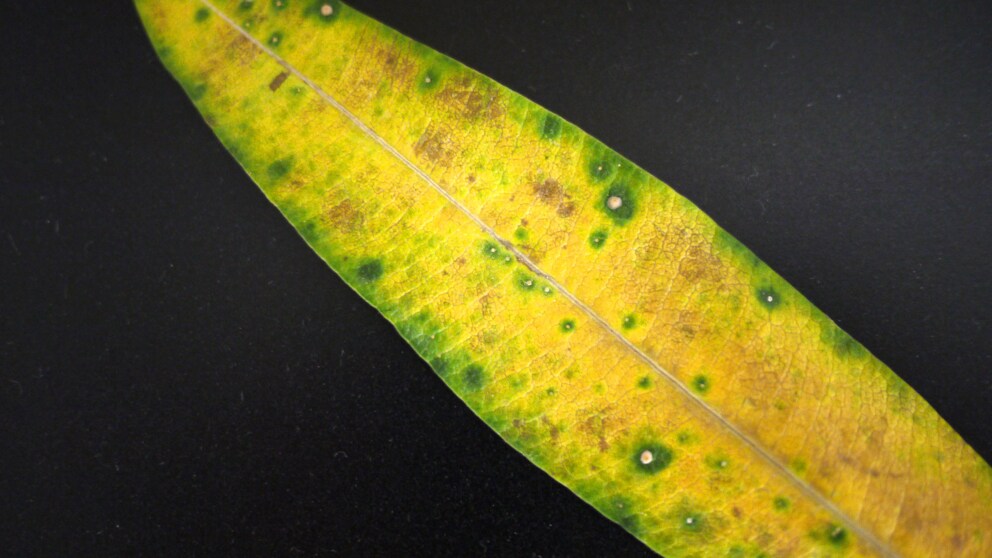
Oleander (Nerium oleander) is robust, sun-loving, and relatively easy to care for–but it is sensitive to care mistakes or unfavorable environmental conditions. Yellow leaves can be a warning sign. Now it’s time to take a closer look: Are only older leaves turning yellow? Are the yellow leaves more at the bottom or top? Do they fall off or stay attached? Depending on the appearance, conclusions can be drawn about the cause.
Overview
1. Water: Too Much or Too Little
Oleander has a high water requirement, especially in the hot season. If watered too little, it reacts with limp, yellow leaves that can also fall off. However, waterlogging is also harmful: If the root ball remains too wet, the roots can rot–also resulting in yellowing of the leaves.
Tip: In summer, water daily or even better, twice a day–especially for potted plants. Be sure to avoid waterlogging. The pot must have a drainage hole and ideally a layer of expanded clay or gravel at the bottom. Cachepots are not suitable, as the water cannot drain completely.
2. Nutrient Deficiency–Especially Nitrogen
A common reason for yellow leaves is a nutrient deficiency. Oleander is a heavy feeder and needs regular fertilization. If nitrogen is lacking, the leaves lose their green color and turn light green, then yellow. The plant appears generally weak.
Tip: During the main growing season (spring to August), oleander should be fertilized every one to two weeks with a complete fertilizer or a special oleander fertilizer. An ideal fertilizer has a high potassium and nitrogen content. Coffee grounds are also a suitable nutrient source for oleander.
3. Cold Stress or Wrong Location
Even though oleander is considered a warm-loving plant, it can tolerate cooler temperatures for a short time–but only very limited. A sudden temperature drop in spring or an unprotected location with cold wind can stress the plant, which can manifest as yellow leaves.
Tip: Oleander should be placed in a warm, sunny, and wind-protected spot–preferably on the balcony, terrace, or courtyard. As soon as temperatures could drop below five degrees, the plant should be covered with protective fleece or moved to a winter quarters in a bright basement or garden shed.
4. Yellow Leaves Throughout the Year Can Also Be Normal
If only the lower, older leaves turn yellow and fall off, this is often no cause for concern. Oleander regularly renews its foliage. It withdraws nutrients from old leaves, which then turn yellow.
If only a few leaves are affected and the plant otherwise shows vigorous growth, no treatment is necessary.

What to Do When Strawberry Leaves Turn Yellow

Hydrangea Losing Leaves? Here Are the Causes
5. Pests or Diseases
Yellow leaves can also be caused by pests such as spider mites, scale insects, or aphids–especially in weakened plants or dry air. Fungal diseases or bacteria can also play a role if the yellowing appears spotty or the leaves curl.
Tip: Regularly check the plant for pests–especially on the undersides of leaves. If infested, treat with a gentle remedy like soap solution or neem oil. In case of severe infestation, pest control products from the hardware store can help. Pruning the affected plant parts may also be necessary.
Conclusion: Take Yellow Leaves Seriously, but First Find the Cause
Yellow leaves on oleander are often a sign of a care mistake–such as too little water or nutrients. Those who pay close attention and understand the plant’s needs can usually correct the issue quickly. Radical measures like a complete pruning are generally not necessary. It’s important to regularly check the oleander and watch for changes.

Healthy Oleander Outdoors
“For many years, I had my oleander in a pot on the terrace. It thrived well there, but the pot quickly became too small. Last year, I took the plunge and planted the oleander in my garden. It is now protected next to my garden shed and is growing even more beautifully than before. Here, it has access to healthy, nutrient-rich soil and gets plenty of sun. Also, the root ball doesn’t dry out as quickly as in a pot. Good protection in winter is now particularly important. In the fall, I cover the root area with lots of leaves and straw. I also cover the plant itself with a plant fleece to prevent frost damage. This way, the oleander also survives the German winter.”