


September 7, 2025, 10:10 am | Read time: 4 minutes
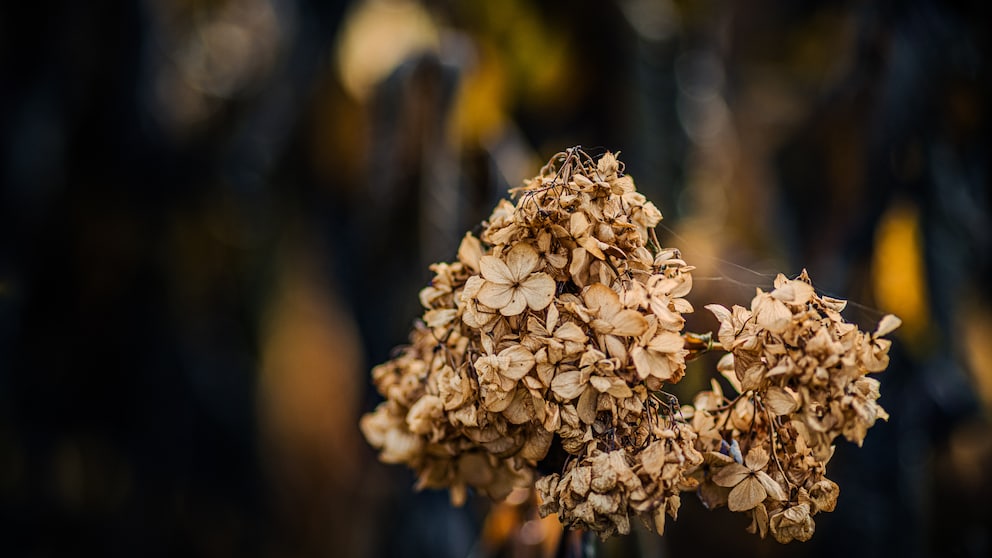
Hydrangeas are among the most popular flowering shrubs in gardens and on balconies. No wonder, as their impressive blooms make any gardener’s heart skip a beat. It’s all the more concerning when the plant suddenly loses its leaves. However, it’s not always a disease—sometimes leaf loss is completely normal. myHOMEBOOK explains the most common causes and offers tips on how to get your hydrangea growing vigorously again.
First, a reassurance: In the fall, hydrangeas, like many other garden plants, naturally lose their foliage. This is part of the seasonal cycle and is no cause for concern. From October, the leaves turn yellow to brown and eventually fall off. In spring, the hydrangea will sprout fresh leaves again.
Improper Watering
Hydrangeas didn’t get their botanical name ‘Hydrangea’ (meaning “water drinker”) for nothing: They need a lot of water. If the plant is too dry, it often sheds its leaves as a protective measure. This is because a lot of moisture evaporates through the leaves, especially in sunlight and high temperatures. However, waterlogging can also be harmful. Too much water causes the roots to rot, resulting in limp, yellow leaves that soon fall off.
Tip: The soil should always be evenly moist, but never wet. It’s best to regularly check if the soil is still slightly damp. A drip irrigation system can easily create ideal conditions for hydrangeas.
Hydrangea Loses Leaves Due to Nutrient Deficiency
Another reason for leaf loss is a lack of nutrients—particularly nitrogen, phosphorus, potassium, and iron, which are crucial for hydrangeas. If these are missing, the leaves often turn yellow and fall off prematurely.
Solution: Regularly supply with a special hydrangea or rhododendron fertilizer in spring and summer. This is tailored to the slightly acidic soil that hydrangeas prefer. Coffee grounds are also slightly acidic and can improve nitrogen supply through the soil.
Wrong Location
Hydrangeas prefer partial shade and protection from wind and weather. If they are in full sun, leaves and buds dry out faster. A location that’s too shady, on the other hand, can lead to weak growth and the hydrangea losing its leaves. Wind can also damage entire shoots, causing them to break or shed their leaves.
Tip: It’s best to choose a spot with morning or evening sun, protected from drafts.
Diseases and Pests
Sometimes fungi or pests are behind the leaf loss:
- Powdery mildew appears as white-gray coatings on the leaves.
- Leaf spot diseases cause brown spots, and the leaves die.
- Aphids or spider mites suck plant sap, causing the leaves to curl and eventually fall off.
In this case, it’s helpful to carefully inspect the plant (including the underside of the leaves!) and remove affected leaves. Pesticides or home remedies like a soap solution can help against pests.

Rubber Plant Losing Leaves? Here’s Why It Might Be Happening
Why the Ficus Loses Leaves in Winter
Hydrangea Loses Leaves After Purchase
Newly purchased hydrangeas, especially those from greenhouses, often lose leaves when placed outdoors. The change in temperature and light is stressful for the plant. Hydrangeas can quickly react sensitively to significant changes. However, with a little patience, the plant will adapt to the new conditions and soon sprout again.
Conclusion
Not every leaf loss is a cause for alarm. Usually, dryness, an unfavorable location, or simply the approaching winter is behind it. By closely observing the hydrangea and responding with appropriate care measures, it usually recovers quickly.

Which Hydrangea Is Right for Me?
“I had a lacecap hydrangea in my garden for a long time, which produced beautiful, large blooms but was very high-maintenance. The right fertilization to achieve a permanent blue color, the perfect pruning, and the ideal soil moisture posed challenges for me as a rather ‘lazy’ hobby gardener. I eventually discovered panicle hydrangeas for myself. These are considered more robust, and since they can be heavily pruned each year, no complicated pruning is necessary. The blooms also gratefully sprout anew year after year. So, if you want hydrangeas in your garden but not too much effort, you should opt for the varieties with panicle-shaped blooms.”