


June 11, 2026, 5:19 am | Read time: 5 minutes
A panic room is essentially an extremely secure refuge within your own home. If intruders break in or other dangers arise, you can retreat here and wait safely until the police arrive. These rooms have specially reinforced walls and doors. They often include a lot of technology, such as dedicated phone lines, alarm systems, and cameras. myHOMEBOOK explains how such a panic room must be built and what costs are involved.
Why More People Are Considering a Panic Room
Many people may not have a clear idea of what a panic room is, but they’ve likely heard of it, especially as more people feel insecure. According to experts, the super-rich are increasingly inquiring about such safe rooms. However, the exact number of panic rooms in Germany is unknown.
What Defines a Panic Room and the Requirements It Must Meet
A panic room should be a secure retreat in an emergency until help arrives. To ensure this, certain security requirements must be met.
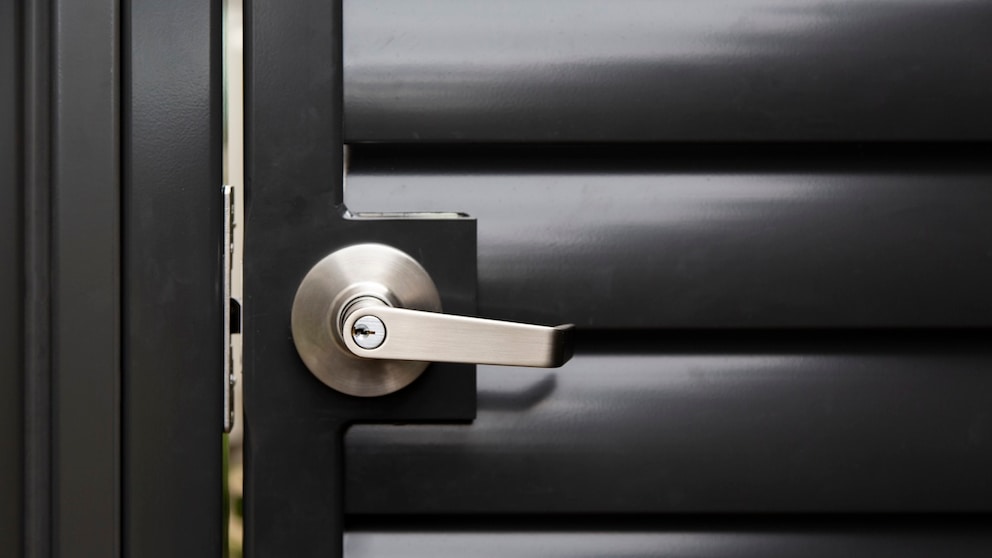
The construction must be significantly more robust than ordinary living spaces. Walls, ceilings, and floors should be reinforced with durable materials like reinforced concrete or steel to make forced entry more difficult. The door plays a special role. The door to a panic room should meet certified burglary-resistance standards and be equipped with a robust locking system.
Equally important is communication with the outside. You should always have the ability to call for help, for example, through an independent phone or emergency call system. A secure power supply and, if necessary, ventilation are also essential.
Structural Requirements for a Secure Retreat
If you want to set up a panic room in your home, you first need to find a suitable location. Windowless areas or rooms with as few openings as possible, such as a basement, storage room, or an interior room, are ideal. It’s also important that you can quickly reach the room in an emergency.
Depending on the level of protection desired, additional reinforcements may be necessary. If you’re planning a new home and considering more security, it’s often advisable to incorporate this in the design phase. Retrofitting is possible but usually incurs higher costs and significantly more effort.
As long as no structural changes are needed, you typically don’t need a building permit. However, if you’re unsure, you should consult the local building authority. Be cautious with armored steel, as it may affect the load-bearing capacity of the ceilings. In such cases, it’s important to consult a structural engineer. Separate power lines and air supply must also be properly installed to avoid further damage.

Buying an Alarm System: Why Consulting Police or Professionals Is Sensible
What to Consider When Building a Private Bunker
What a Panic Room Costs
According to experts, costs range from about 10,000 to 70,000 euros. It always depends on the quality of the equipment and whether you want to build the panic room yourself.
Simple versions are already offered online by specialized providers. These are usually prefabricated modules made of armored steel. These systems are also known as pop-up modules. Unlike panic rooms integrated into a house, these systems consist of prefabricated units that can be connected like a modular system. They are placed in an existing room. Since costs can vary greatly, it’s always better to make an individual inquiry to get reliable information about the costs.
Practical Alternatives for Private Households
For most households, a fully equipped panic room is more the exception. Often, significantly cheaper measures are sufficient to feel secure. Good burglary protection is essential. This includes burglar-resistant windows and doors, additional security measures, and high-quality locks. Alarm systems, motion detectors, outdoor lighting, and surveillance cameras can also help.
If you still want to create a protected DIY retreat, it doesn’t have to be a professional panic room. Often, a lockable room with a sturdy door, a charged mobile phone, and the ability to call for help from there is enough. It’s important that the room is equipped with the essentials and that no one can enter from the outside. Adequate fresh air supply should also be ensured.
A common solution is the so-called room-in-room concept. This involves creating an additional, secured area within an existing room. This method is particularly suitable for retrofitting, such as when a dressing room or storage room is to be converted into a panic room. The prefabricated modules described above can also make this solution easier and more straightforward to implement.
For many families, a combination of burglary protection, alarm technology, and a simple retreat room can be a more practical and affordable solution than a professional panic room.
Also interesting: How to Tell if Your Door Is Burglar-Proof

Practical or Just a Waste of Space?
“Whether a panic room is practical is something everyone must decide for themselves. You can’t say it universally. It usually depends on your living situation, your security needs, and of course, your budget. While some people prefer a panic room, others manage with a good alarm system. I think space doesn’t play such a big role.”