


September 3, 2025, 12:57 pm | Read time: 3 minutes
In the world of interior design, countless trends come and go. Some seem exciting for the moment but fade into oblivion over time. However, there are styles that prove to be enduring—they are flexible, adaptable, and exude a permanence that goes beyond fleeting trends. myHOMEBOOK presents four popular interior styles.
Scandi

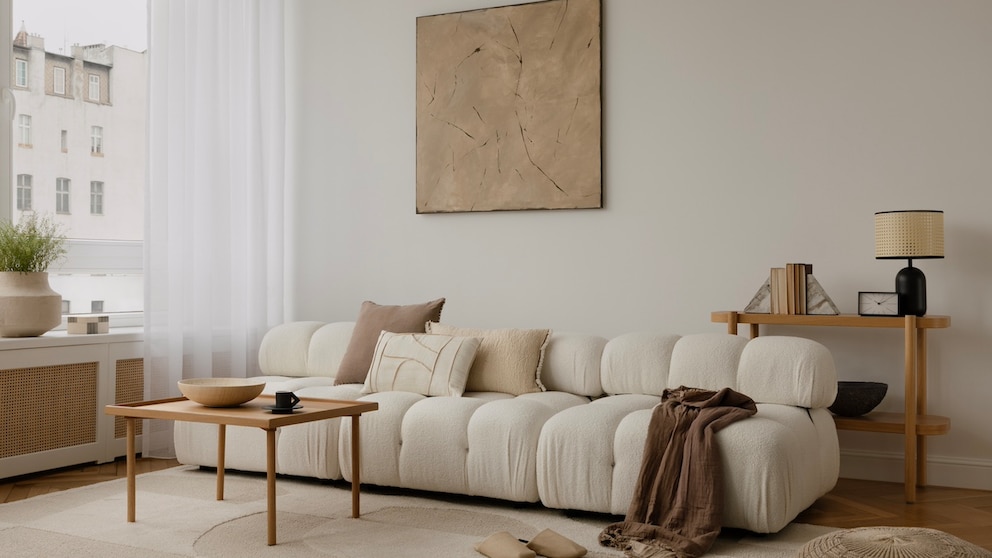
The Scandi style originates from the Nordic countries and is considered a modern classic. Light colors, plenty of light, natural materials, and a clear yet cozy design language characterize this look. Furniture is functional and straightforward, yet it exudes lightness. The Scandi style remains popular because it is universally applicable: It fits in small city apartments as well as spacious houses, always conveying a sense of openness and comfort.
Mid-Century Modern

Mid-Century Modern is also among the ever-popular interior styles. Originating in the 1950s and ’60s, it has produced iconic furniture classics. Characterized by clean lines, organic shapes, and the combination of functionality with elegance, this style features teak wood, leather, and striking designs that have achieved cult status—think of the Eames Lounge Chair or the Tulip Chair by Eero Saarinen. The style remains modern because it strikes a perfect balance: simple but not boring, elegant but not overwhelming. Additionally, Mid-Century Modern furniture can be excellently combined with other styles, ensuring its relevance over decades.
Japandi
Japandi is the successful fusion of Japanese clarity and Scandinavian coziness. It combines the minimalist restraint of Japanese living culture with the warm comfort known from Scandinavian interiors. Natural materials like wood, linen, and stone create a calm foundation, while harmonious shapes and earthy colors provide balance. This style remains current because it unites two worlds: functionality and aesthetics, reduction and warmth. In a time marked by hustle and bustle, Japandi offers a counterbalance—a home that radiates tranquility and mindfulness. This focus on calm and reduction makes Japandi timeless, as it creates an oasis of relaxation independent of trends. That’s why Japandi is among the styles that are always in vogue.
Also interesting: 4 Tips for a Living Room in Japandi Style
Which Houseplant Fits Your Home Style
Which Light Fixture Matches Which Interior Style
Minimalism
Minimalism is also among the ever-popular interior styles. It focuses on reduction and clarity. “Less is more” is the guiding principle here. Furniture is simple, colors are mostly neutral, and anything superfluous is consistently omitted. Especially in our time, often characterized by sensory overload, minimalism offers a soothing calm. It forces us to focus on the essentials. Minimalist spaces exude permanence because they rely on a clear design language independent of trends. The style remains timeless because it is universally interpretable: from radically purist to comfortably reduced. It also addresses needs like simplicity, quality, and durability—values that always endure.
Why These Styles Are Always in Vogue
What all these styles have in common is their simplicity, functionality, and closeness to nature. They eschew excessive decoration and instead focus on durable materials, clear lines, and an aesthetic that radiates calm. That’s precisely why they are not fads but reliable constants in the world of living—and they will remain so in the future.