


October 31, 2025, 3:47 pm | Read time: 4 minutes
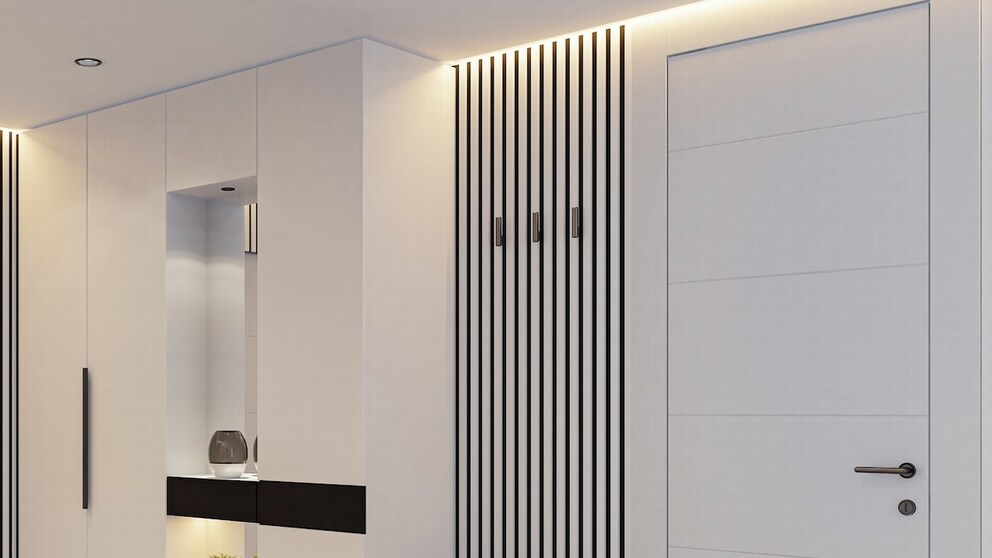
Indirect lighting is considered the epitome of modern home aesthetics. It provides soft, atmospheric light that makes rooms appear larger, more harmonious, and cozier. However, as elegant as the concept sounds, mistakes often occur during implementation that can quickly make the result appear unfavorable. myHOMEBOOK shows what to watch out for to fully harness the effect of indirect lighting.
Follow myHOMEBOOK on WhatsApp now
1. Wrong Light Color
One of the most common mistakes in indirect lighting involves the choice of light color. Light that is too cold can turn even the most beautiful living room into a sterile environment, while light that is too warm can obscure details and distort colors. Generally, warm white light (around 2700 to 3000 Kelvin) creates coziness in living spaces, while neutral white light (up to 4000 Kelvin) is more functional in kitchens or bathrooms. It is especially important to maintain a consistent color temperature within a room to avoid creating a restless lighting effect.
Additionally, the choice of light color plays a crucial role. While colored LED strips can be appealing, overly intense or colorful light tones, such as bright red, blue, or green, can quickly make rooms appear cheap and chaotic. They often destroy the harmonious atmosphere that indirect lighting is meant to create. Those who wish to experiment with color should opt for subtle pastel tones or gently changing color moods. These can be used sparingly and strategically to create accents rather than dominate.
2. Uneven Light Distribution
Indirect lighting thrives on gentle, even illumination without visible light sources. However, if the light source is installed unevenly–such as with too large or small gaps between LED strips, sloppy adhesion, or poor alignment–disturbing brightness fluctuations occur. This irregular light distribution appears chaotic and diminishes the desired effect of depth and coziness. Particularly unattractive are shadows cast on walls or ceilings that visually break the room.
To avoid this, the planning of indirect lighting should be adapted early to the room geometry and reflective surfaces. High-quality LED strips with high density and suitable diffusers ensure an even light band without visible points.
3. Too Bright or Too Dim Light Sources
Another common mistake in indirect lighting concerns brightness. If the light source is too weak, the effect dissipates. The room appears flat and loses depth. Conversely, if it is too bright, the light dominates the surroundings, potentially causing glare through reflections and diminishing the lighting’s subtle, atmospheric effect.
The ideal light intensity depends on several factors: room size, wall and ceiling color, type of surfaces (matte or glossy), and the desired mood. Careful coordination of lumen output and color temperature is therefore crucial. Dimmable systems or smart controls are particularly recommended, allowing the light level to be adjusted situationally, such as warm and subdued in the evening or brighter and more neutral during the day. This way, indirect lighting remains harmoniously integrated into the overall room design.
Also interesting: 5 Tips for the Right Bedroom Lighting
4. Poor Positioning of Light Sources
Indirect lighting is meant to create accents, not illuminate randomly. Light strips are often mounted too close to the wall or too far away, resulting in shadows or unwanted light gradients. The light appears most harmonious when reflected off the ceiling, wall, or furniture. Highlighting architectural elements such as niches, moldings, or curtains with strategic placement can achieve the greatest effect.
5. Lack of Coordination with the Room Concept
Lighting planning is not an isolated step but part of the overall concept. Indirect lighting can only work properly if it matches materials, colors, and furnishings. If installed later without considering the room’s effect, it can quickly seem out of place. During the planning phase, it should be clear which areas are to be highlighted and which should recede into the background.

5 Tips for the Right Bedroom Lighting

8 Tips for Indirect Lighting in the Living Room
6. Neglected Technology and Installation
The importance of the right technology is often underestimated. Incorrect power supplies, poorly laid cables, or non-dimmable light sources not only lead to functional issues but also unsightly flicker effects. Those who prioritize longevity should opt for brand-name products and professional installation, especially for installations in ceilings or furniture.
Indirect Lighting Requires Planning
Indirect lighting can set the scene in rooms, soften transitions, and create a pleasant atmosphere–provided it is well thought out. The right light color, positioning, and technical implementation are crucial for the result. Those who plan early and focus on quality will be rewarded with a mood-enhancing, modern lighting concept that perfectly underscores the character of a room.