


July 23, 2025, 2:52 pm | Read time: 4 minutes
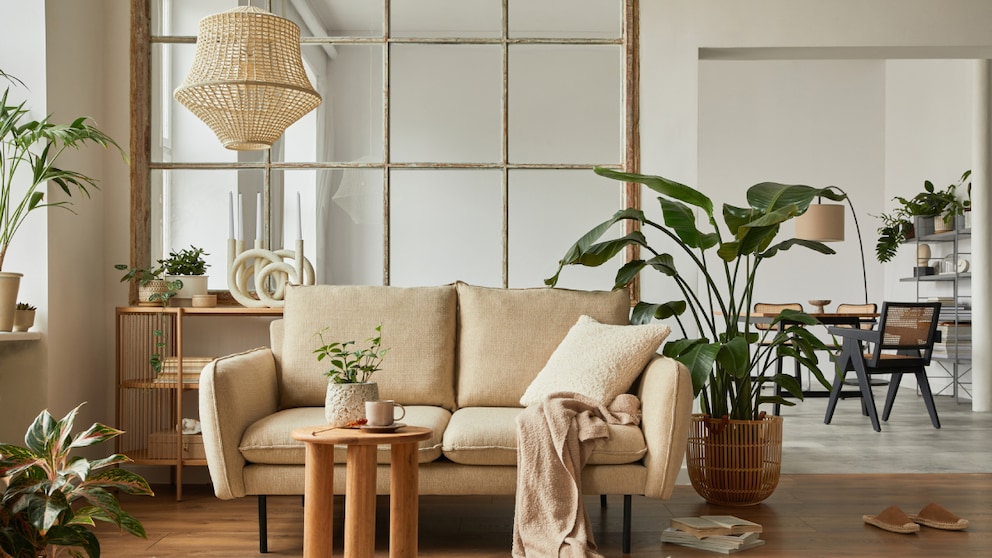
Houseplants are far more than just green companions–they’re stylish design elements that enhance spaces, create atmosphere, and boost well-being. But for plants to have their full effect, it’s not just their selection that’s crucial, but also how they’re strategically showcased in the decor. myHOMEBOOK presents ideas and practical tips on how to successfully integrate plants into your interior design concept and set them decoratively.
Follow myHOMEBOOK on WhatsApp now
1. Play with Heights and Levels

A harmonious plant decor thrives on variety–especially in height. Hanging plants like pothos, rhipsalis, or spider plants create lightness and elegantly fill unused corners or bare walls. Macramé hangers or modern hanging pots turn them into real eye-catchers.
For smaller plant species like succulents or ferns, wall shelves or plant ladders serve as a stage to showcase them. Using different levels creates dynamics in the room without directly overloading it. Individual plants positioned on plant stools or side tables stand out beautifully and become a decorative highlight.
2. Set Statement Plants as Green Highlights
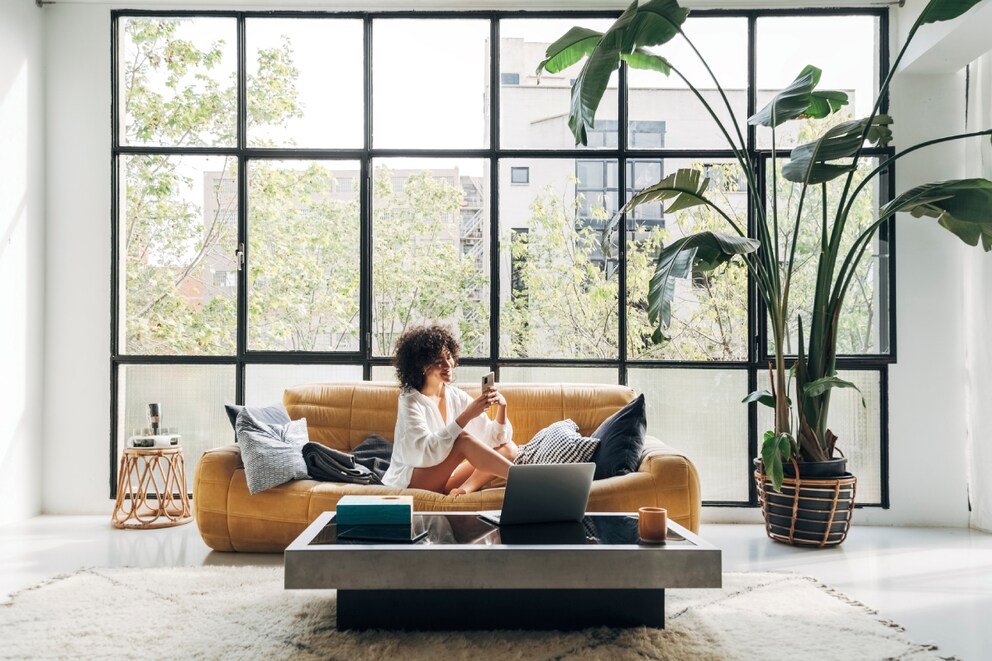
Larger plants like monstera, rubber tree, bird of paradise, or the trendy fiddle leaf fig are excellent focal points. They have their best effect in quiet, open spots in the room, such as next to an armchair, in a corner, or in the entrance area. The right planter is crucial: ceramic, concrete, rattan, or simple white containers add stylistic accents that complete the overall picture. This turns the plant into a design element with personality.
3. Use Plants as Natural Room Dividers
In open living concepts, such as lofts or large kitchen-living rooms, plants can be excellently used as room dividers. Whether a tall plant shelf or several tall plants side by side: They structure spaces without visually shrinking them. At the same time, they create a pleasant separation between living and working areas or between dining and living rooms in a natural, airy way.
4. Choose Plant Containers Consciously
Not only the plant itself but also its container significantly contributes to the effect. With colorful ceramic pots, simple terracotta containers, or baskets made of natural materials, accents can be set deliberately. Those who prefer a harmonious overall picture match planters or stay within a color family. For bolder concepts, intentional style breaks are offered, such as an antique flower pot combined with modern interior.
5. Vertical Gardens and Plant Walls for Small Spaces
Even in small areas, a lot of greenery can be accommodated. Vertical gardens or plant walls are a clever solution for narrow hallways, kitchens, or as an accent in the living room. Whether with small wall shelves, special wall modules, or moss pictures: The greenery climbs space-savingly upwards and becomes a decorative element with a wow effect. In kitchens, herbs can also be integrated practically and aesthetically in this way.
Which Houseplant Fits Your Home Style

6 Tips to Redesign Your Home with Minimal Effort
6. Utilize Light and Location
Light not only influences plant growth but also the effect in the room. Sun-loving plants like cacti or succulents look particularly good on bright windowsills. Shade-tolerant species like snake plant or ZZ plant are ideal for darker areas like hallways or bedrooms. Plants near light sources have a particularly atmospheric effect. In the evening, plants can almost appear sculptural and cast beautiful shadows, creating a homely atmosphere.
7. Purposefully Highlight Interior Styles with Plants
Plants can also be used decoratively to enhance a specific interior aesthetic. In minimalism, individual, clear forms dominate, which is why a single large fiddle leaf fig in a simple pot comes into its own here and underscores the minimalist style. The boho style, on the other hand, thrives on its diversity. Here, different plants fit into baskets or various pots made of light clay and rattan.
Those who love the Urban Jungle look opt for large leaf plants, lush greenery, and a certain wild growth with a system. Plants like bird of paradise, monstera, and fern provide the right jungle feeling in your own four walls. The Scandinavian interior style is well complemented by delicate plants and light planters.