


December 23, 2025, 9:46 am | Read time: 6 minutes
The kitchen will remain the heart of the home for many in 2026. It is no longer just a functional space but an expression of lifestyle, attitude, and aesthetic standards—reflected in the kitchen trends of 2026.
The kitchen trends of 2026 showcase an exciting blend of natural materials, technical innovation, and a cozy atmosphere. Sustainability and durability are increasingly in focus, without sacrificing comfort or design.
Round Shapes
Round shapes and gently rounded kitchen islands define the kitchen trends of 2026. As a deliberate counterpoint to the long-dominant, clear edges, they bring softness, movement, and a new sensuality to the space. Organic lines appear inviting and harmonious, promote smooth transitions, and especially in open-plan kitchens, support a relaxed, communicative room feel.
Rounded kitchen islands become the design focal point. Their softly shaped edges not only improve ergonomics and freedom of movement but also give the kitchen a special presence. Especially when combined with natural materials like wood, natural stone, or ceramic, the round shapes unfold their effect and make the kitchen appear less technical, yet more homely. Tone-on-tone color concepts and matte surfaces enhance this calm, contemporary look.
The trend toward organic shapes also reflects a changed lifestyle: The kitchen is conceived as a place of encounter, arrival, and lingering. Rounded islands invite people to sit together, cook, and work.
Special Tile Backsplashes

Tile backsplashes are evolving in 2026 from purely practical splash protection to a central design element of the kitchen. Instead of inconspicuous standard solutions, handcrafted-looking tiles, expressive formats, and individual laying patterns come into focus. Particularly in demand are ceramic tiles with slightly irregular edges, fine glazes, and natural color gradients that give the room depth and vibrancy.
Color-wise, tile backsplashes align with the calm base mood of modern kitchens. Warm cream and sand tones, muted green, smoky blue, or earthy terracotta shades provide subtle accents. At the same time, many opt for tone-on-tone concepts where tile backsplashes, countertops, and fronts blend colorfully. Textured surfaces, narrow vertical formats, or graphic patterns add additional dynamism to the kitchen design.
Even in combination with other materials, tile backsplashes unfold their effect. Alongside wood or stainless steel kitchens, they create an exciting material mix and consciously take on the role of a visual link.
Invisible Technology and Smart Solutions
The kitchen trends of 2026 impressively show how much technology has evolved toward restraint. Instead of showcasing technology openly, it is seamlessly integrated into the kitchen design and appears almost invisible. The goal is a calm, tidy look where functionality seems natural and does not dominate the space. Technology disappears behind fronts, in furniture, or directly in materials, revealing its strength only in use.
A central element is flush-mounted appliances that fully integrate into cabinet and island concepts. Ovens, dishwashers, or refrigerators are hardly distinguishable from the surrounding fronts. Cooktops increasingly merge with the countertop: induction surfaces without visible markings or invisible controls ensure a clear appearance. Faucets can be recessed, outlets disappear into drawers or behind flaps—every detail follows the principle of visual reduction.
Also interesting: These Are the Trend Colors for 2026 in Interior Design
Integrated Range Hoods
Integrated range hoods shape the kitchen trends of 2026 and the image of modern kitchens. They also exemplify the trend toward visual reduction. Instead of classic hoods, flush-mounted solutions come into focus. For example, cooktop-integrated vents, invisible ceiling fans, or systems recessed into upper cabinets. The technology deliberately recedes into the background, allowing space for clear lines, open sightlines, and a calm, architectural design.
Technologically, the new systems impress with high efficiency and minimal noise. Powerful motors, intelligent sensors, and automatic adaptation to cooking behavior ensure optimal air quality without disrupting the cooking process. Especially in open-plan kitchens, these quiet, powerful solutions are in demand, as they effectively eliminate odors and steam without affecting the homely atmosphere.
Stainless Steel Kitchens
Long associated primarily with professional large kitchens, the material is now experiencing a stylistic reorientation: away from the purely functional look, toward a deliberately reduced, almost architectural aesthetic with a homely appeal. The charm of stainless steel lies in its uncompromising clarity—cool, precise, and surprisingly versatile.
Modern stainless steel surfaces are no longer just high-gloss, but also matte brushed, satin, or finely textured. These finishes reduce reflections, appear calmer, and make the material seem significantly warmer. In combination with natural counterparts like solid oak or natural stone, an exciting contrast emerges that combines professionalism and home comfort.
Particularly popular are stainless steel countertops that seamlessly transition into sinks, drainboards, or cooktops, creating an almost sculptural overall image. Design-wise, stainless steel fits perfectly into minimalist and reduced kitchen concepts but also works well as a deliberate contrast point in warm, homely spaces. Whether as a complete kitchen solution or used selectively, stainless steel kitchens play a major role in the kitchen trends of 2026 and stand for a confident, timeless style that unites design and function.
Besides aesthetics, stainless steel primarily impresses with its functional properties. The material is extremely robust, heat-resistant, hygienic, and easy to maintain. All ideal conditions for a kitchen that is used daily and intended to last long-term. Scratches or signs of use are not seen as flaws but develop an individual patina over time, giving the kitchen character and authenticity.
5 Tips to Modernize Your Kitchen
Setting Up a Galley Kitchen–Transforming a Long Space into a Storage Marvel
Still Popular: Handleless Kitchens
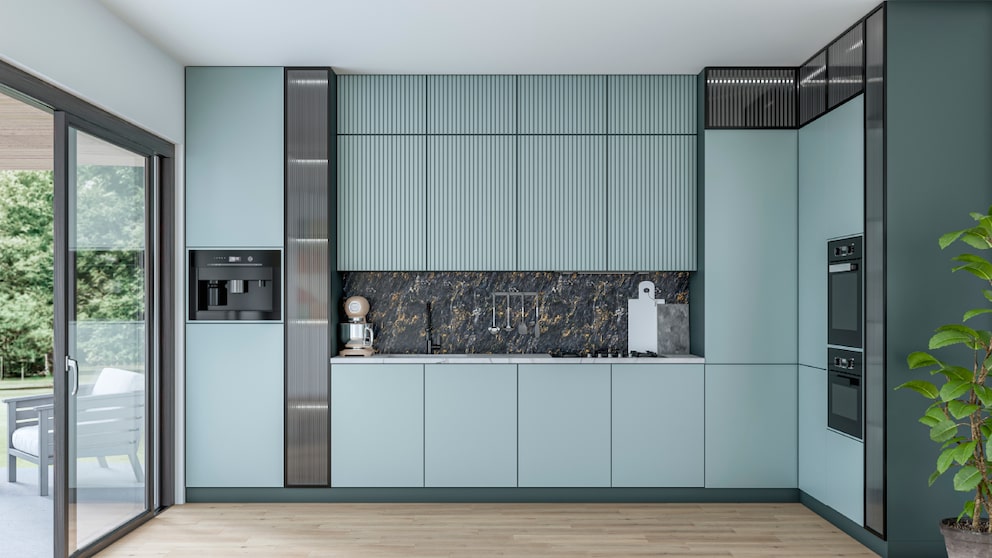
Handleless kitchens remain a defining design trend in 2026, emphasizing the desire for clarity, calm, and architectural consistency. Their success lies in consistent reduction: fronts appear seamless, lines run smoothly and evenly, and the space gains visual breadth.
Especially in open living concepts, a handleless kitchen harmoniously integrates into the overall picture and appears less as a classic kitchen and more as an elegant design element. Technically, handleless solutions are more sophisticated than ever. Precisely crafted recessed grips, push-to-open mechanisms, or electrically assisted opening systems offer the highest level of convenience without disturbing the clear appearance.
Design-wise, handleless kitchens can be interpreted in many ways. In minimalist concepts, they enhance the puristic effect of materials like stainless steel or ceramic. In cozier kitchens, they provide a calm framework for warm colors, wood surfaces, or organic shapes. Especially in combination with rounded kitchen islands or flush-mounted technology, a coherent overall image emerges that looks modern.
Kitchens Without Upper Cabinets
Kitchens without upper cabinets remain trendy because they create an open, airy room feel and perfectly reflect modern living needs. By forgoing upper cabinet rows, the kitchen appears larger, calmer, and less cluttered. The unobstructed view upward allows walls to breathe and provides more brightness, as light can enter the room unhindered and distribute more evenly.
Functionally, kitchens without upper cabinets convince many people. Frequently used utensils are readily accessible in open shelves or wall systems, while storage space is deliberately shifted to base cabinets or adjacent pantry cabinets.