


August 22, 2025, 1:01 pm | Read time: 4 minutes
And suddenly, everything is “Japandi” or “minimalist”–on social networks, in furniture stores, and on interior blogs. Even though interior design trends sometimes seem like arbitrary, random fashion phenomena, they are by no means accidental. Instead, a complex interplay of cultural, technological, media, and psychological influences is behind them. myHOMEBOOK author Carolin Chytrek reveals how interior trends really emerge.
For a long time, the design of one’s home has fascinated many people. Our own four walls should be a haven of comfort and an expression of our personality–a place to arrive and relax. Tastes are famously diverse, yet clear trends in design ideas can still be identified in the interior sector.
Follow myHOMEBOOK on WhatsApp now
Societal Needs
Societal issues often influence interior trends more directly than one might initially think. When the Fridays for Future movement began in Germany a few years ago, many supporters wanted to live more sustainably at home. Suddenly, furniture made from recycled and renewable materials or sustainable textiles became popular. Almost simultaneously, interest in minimalism grew as people sought more clarity and deceleration in their daily lives amid media and societal overload.
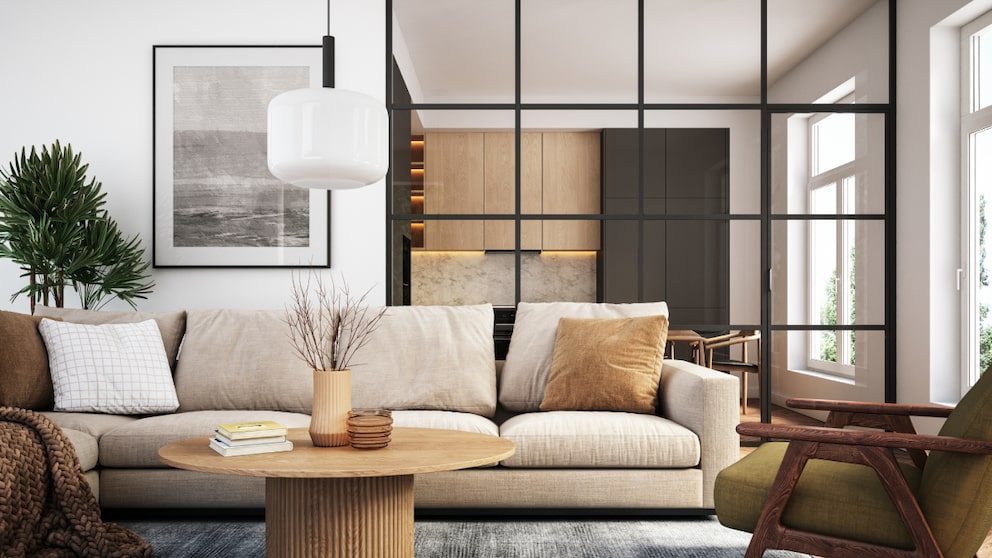
People increasingly decluttered, parted with materialistic burdens, and showed more mindfulness in their furnishings. Simple, color-neutral furnishings became modern because they don’t overwhelm but exude lightness. The beige trend was born.
Power of Influencers
How people want to live is significantly influenced by influencers. They are considered trend accelerators, ensuring that followers (sometimes in the millions) emulate their ideas. When entrepreneur and It-Girl Kim Kardashian shared a photo of her unique marble sink on Instagram in 2019, as myHOMEBOOK reported, interior designers suddenly felt compelled to jump on the hype for minimalist sinks with flowing forms and no clear basin boundaries. A real hype around “Minimal Monastery,” as Kardashian described her interior look, emerged, forcing furniture stores to adjust their offerings.
Influencers are by no means insignificant; they set specific styles, colors, or DIY ideas that retailers are compelled to implement because followers want to imitate them. Social media channels like Instagram and TikTok, but especially photo platforms like Pinterest, have definitely become central channels for trend communication.

Barely Set Up, Already Outdated! Why Interior Design Trends Age So Quickly

How the Iconic “Togo” Sofa Revolutionized the Furniture Market
Psychological, Social Factors
Global events and the quality of time have a significant impact on our emotional needs, which is a psychological fact. However, that these are reflected in interior trends is often only seen at second glance. During the global coronavirus pandemic, which came with lockdowns and a sense of confinement, the desire to connect more with nature grew. Walks provided strength and distraction, and outings into nature became rare. As a result, many people increasingly brought natural materials and plants into their homes to calm and ground themselves.
Also interesting: Which houseplant suits your living style
The urban gardening trend received a completely new boost. At the same time, working from home became the norm. Since people were at home 24/7, living and working there, the furnishings needed to be cozy and functional. The otherwise rather classic office furnishings were complemented with Hygge or Japandi elements, providing the necessary coziness factor. Thus, a whole new cocooning trend emerged.
But How Do Interior Trends Emerge?
Interior trends are set by influencers, fashion, and societal, psychological, and social influences, but they are consciously recognized and promoted by designer labels, magazines, and furniture stores. Social media movements, color trends, or crises and changes actively determine what is later produced and ends up in stores.
Design fairs and the intuition of editors help new trends become visible and more firmly anchored in customers’ consciousness. So, it can be said: Interior trends emerge at the intersection of society, fashion, psychology, and media.