


January 14, 2026, 4:53 am | Read time: 4 minutes
For many interior enthusiasts, it’s a necessary evil: the radiator. Functionally indispensable, but often a foreign element in the room design. Whether it’s a classic ribbed radiator, a white-painted flat radiator, or older models from past decades, they rarely fit into a carefully planned living concept. The good news: With some planning and creativity, radiators can be elegantly hidden with radiator covers.
Why Radiator Covers Are So Popular
Modern living spaces are dominated by clean lines, harmonious materials, and thoughtful color schemes. A visible radiator often disrupts this aesthetic. A cover can transform it into a design element: as a subtle wall surface, a window seat, or part of a custom-made piece of furniture. At the same time, it offers the opportunity to make the room appear calmer and tidier.
Ready-Made Solutions from the Hardware Store
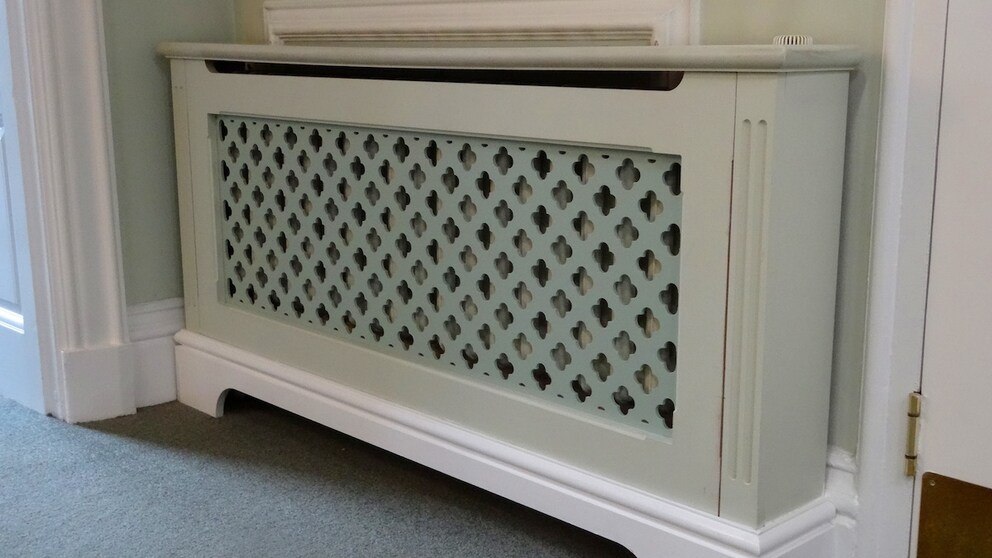
For those who prefer simplicity, numerous pre-made radiator covers are available at hardware stores or online. These are usually made from MDF, engineered wood, or metal and come in various designs, from classic slats to modern perforated or grid patterns. The advantage: They can be installed relatively quickly and are often designed to minimally impact heat output. However, it’s important to ensure sufficiently large openings at the top and front to allow warm air to circulate.
DIY Projects for Individual Living Concepts

For those who prefer a more personalized touch or enjoy DIY, a custom cover is an exciting option. Particularly popular are wooden frames with milled slats, perforated fronts, or custom metal constructions. The cut-out area at the front is often covered with Viennese mesh.
Integration into a piece of furniture—such as a sideboard or a window seat—is also possible. DIY solutions offer maximum design freedom but require some craftsmanship and careful planning.
Which Materials Are Suitable?
When choosing materials, focus not only on appearance but also on heat resistance. Solid wood, MDF with heat-resistant coating, metal, or specially coated engineered wood are suitable. Plastics, on the other hand, can deform or discolor and are therefore only conditionally recommended. It’s also important to use low-emission paints and varnishes, as heat can otherwise cause unpleasant odors.
Properly Plan Distances and Air Circulation
Besides material choice, the size of the radiator cover plays a crucial role. This is due to the functioning of conventional heaters, which are based on the principle of convection (heat flow). This physical principle states that warm air is lighter than cold air. Around the radiator, the air is heated and rises. Cooler air then flows in, which is also heated. This creates a continuous heat cycle that works efficiently, especially in closed rooms. The warm air that has risen cools in the room, sinks back down, and returns to the radiator.
For the heating to work efficiently, the radiator cover must support air circulation. Warm air should be able to rise unhindered, while cooler air flows in easily. Therefore, ensure the cover has sufficient openings for free air circulation.
Covers that close off the radiator at the top should be avoided, as they cause heat buildup and significantly reduce heating performance. There should be a minimum side clearance of ten centimeters between the radiator and the cover. If the radiator is to be covered from above, a distance of about 15 to 20 centimeters is recommended.
Are Radiator Covers Really a Waste of Energy?

Setup Mistakes Can Drive Up Heating Costs
How Much Does Heating Performance Suffer?
A radiator cover never remains without impact: Depending on the design, heating performance can be reduced by about ten to 16 percent. Open, air-permeable designs minimize this effect. Those opting for closed fronts should consider whether the room temperature can be compensated with a slightly higher setting or additional heat sources. In well-insulated apartments, the loss of performance is often less significant than in older buildings.
Function Meets Design
Radiators don’t have to be a disruptive factor. With the right cover, they can be harmoniously integrated into the interior or deliberately staged as a design element. Whether it’s a ready-made hardware store solution or a custom DIY project, good air circulation, suitable materials, and thoughtful design are crucial. This way, a necessary technical detail becomes a cozy part of the room.