


February 8, 2026, 5:13 am | Read time: 5 minutes
Many apartments are not well laid out, sometimes with very high ceilings, narrow hallways, or sloped roofs that may seem charming but can be challenging in everyday life. When you try to fit standard furniture, you quickly realize you’re hitting limits.
Every Inch Counts
When furnishing an apartment with standard furniture, there’s often a gap between the furniture and the wall or unused space under the slope. Somehow, you get the feeling that the space doesn’t quite feel right. That’s why custom-made furniture is often the better solution.
Especially in older buildings or smaller apartments, thoughtful solutions can work wonders. A built-in wardrobe that reaches the ceiling not only maximizes additional storage space but also creates a seamless room feel. It makes rooms appear taller through vertical extension, prevents dust accumulation on top, and effectively hides cables or clutter.
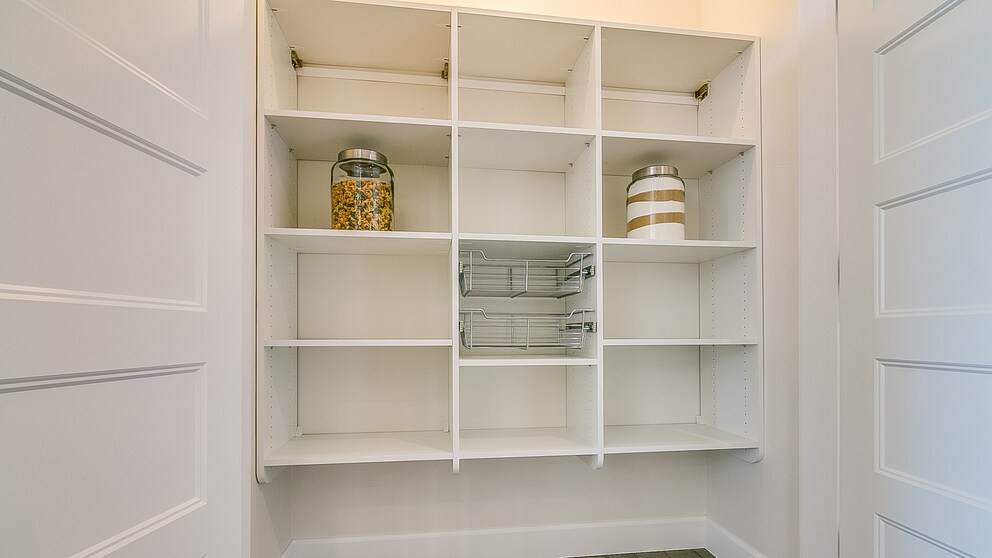
Custom-made furniture is particularly suitable for creating functional storage space. This can be a sensible solution, especially in small rooms, entrances, or under the stairs.
Custom Solutions for Every Living Area
Besides wardrobes or built-ins, it can also be worthwhile to have custom furniture made for other living areas. Especially when there are rooms that are poorly laid out or offer little space, a custom-planned solution can have several advantages. A small or narrow room can become a walk-in closet that is not only practical but also provides plenty of storage space for clothes that would otherwise have to be stored in a single wardrobe.
In the living room, a custom-made shelf can not only bring structure but also make good use of wall space that would otherwise appear cluttered. A shelf around the door can be a space-saving and practical solution that looks good. In the dining area, it can also be smart to have custom furniture made. A table that is precisely tailored to the available space makes sense not only in large rooms. Especially in narrow kitchens, small dining rooms, or overall compact apartments, it can make a noticeable difference without obstructing paths or constricting the space.
Flexible solutions, such as foldable or extendable tables, are particularly practical. These offer more surface area when needed and can otherwise be stored compactly. This way, there’s enough freedom of movement without having to forgo a full dining area.
Also interesting: How to Plan Clever Storage with Shelves Around the Door
Planning with Understanding of the Space
Before having custom furniture made, it’s important to take measurements to get a feel for the existing space and area. Do sloped roofs, radiators, or outlets need to be considered? Walls, floors, and ceilings can also have quirks, such as being crooked or uneven. Light can also play an important role. Is there a lot of daylight, or is the room rather dark? All of this can later influence the effect of the furniture piece.
Equally important is the question of how the space should be used in everyday life. Is a lot of storage space needed, or should the furniture primarily create order and fit in better? By honestly considering your own habits, you can plan more sensibly later and avoid poor decisions.
Good decisions should also be made when choosing materials. Solid wood feels warm and natural and changes over time. Lacquered surfaces, on the other hand, appear clearer and more modern, are often easy to maintain, and more robust. Matte fronts appear calmer, while wood grains or textured surfaces give the room more depth. Ultimately, it’s crucial that materials, colors, and shapes match and fit harmoniously into the existing living concept.
Tips for Planning Your Home Furnishings

6 Tips for Decorating a Living Room with Sloped Ceilings
An Investment That Pays Off
Having custom furniture made can generally be very expensive. However, in the end, you have a solution that truly fits and can often be used for many years. High-quality materials and careful craftsmanship can also ensure that the furniture piece doesn’t need to be replaced after a short time.
Custom-made furniture from a carpenter is often similarly priced to high-quality designer furniture but offers individual precision, tailored space utilization, and greater durability. While designer furniture costs for brand and design, custom-made pieces charge for material, craftsmanship, and individual planning.
Who to Turn to
If you want to have custom furniture made, you should consider early on who will handle the planning and implementation. A classic point of contact is carpenters or joiners. They create custom pieces based on measurements and can particularly accommodate structural peculiarities.
If it’s not just about a single piece of furniture but an entire room concept, an interior designer or space planner can also be worthwhile. Here, furniture, materials, light, and proportions are considered holistically. Additionally, many kitchen or furniture specialty studios now offer custom solutions for other living areas. Planning, visualization, and implementation often come from a single source.

Compare Offers
“Regardless of which path you choose, it’s important to compare offers, look at references, and clearly determine which services are included in the price—such as measurement, delivery, and installation. Custom furniture is a long-term decision and should not only be visually appealing but also convincing in quality.”