


October 23, 2022, 3:59 am | Read time: 4 minutes
If you’re yearning for an original look within your own four walls, you should try what’s known as “color blocking.” Contrasting color blocks that meet can definitely make your home something special. myHOMEBOOK reveals how to achieve the look.
Some trends from fashion often influence interior design. Color blocking also has its roots in the fashion world. While it’s not a current interior design trend, when it comes to giving your home a fresh coat of paint, it’s worth knowing how color blocking works. It promises a unique and unmistakable look. But which color combinations work best for color blocking?
Overview
What is Color Blocking Anyway?
This trend originally started in fashion by combining bold, vibrant colors. Essentially, they clashed like two or more massive “blocks.” The term color blocking also arose because it often involved larger body parts dressed in contrasting colors: a red-orange blouse meets navy blue pants. Gradually, the name and trend of color blocking caught on until it appeared in interior design—with the difference that such powerful color combinations can’t be changed in the evening but are—at least for now—permanent.
Also interesting: Why You Should Decorate a Room with Three Colors
Distributing Vibrant Colors Correctly
It’s said that color makes people happy. When bold, vibrant favorite colors meet in color blocking, pure joy should theoretically erupt. In practice, however, it’s advisable to pay attention to the balance of the individual pop color blocks. Otherwise, you might quickly tire of the whole thing.
https://oembed/myhomebook/affiliate/f64b32555ff10366543b373b0ee92364940c203297d35ec47016cbeb4c99dc16/8e6e2b30-0677-421d-83d2-e1e4481878f8/embed
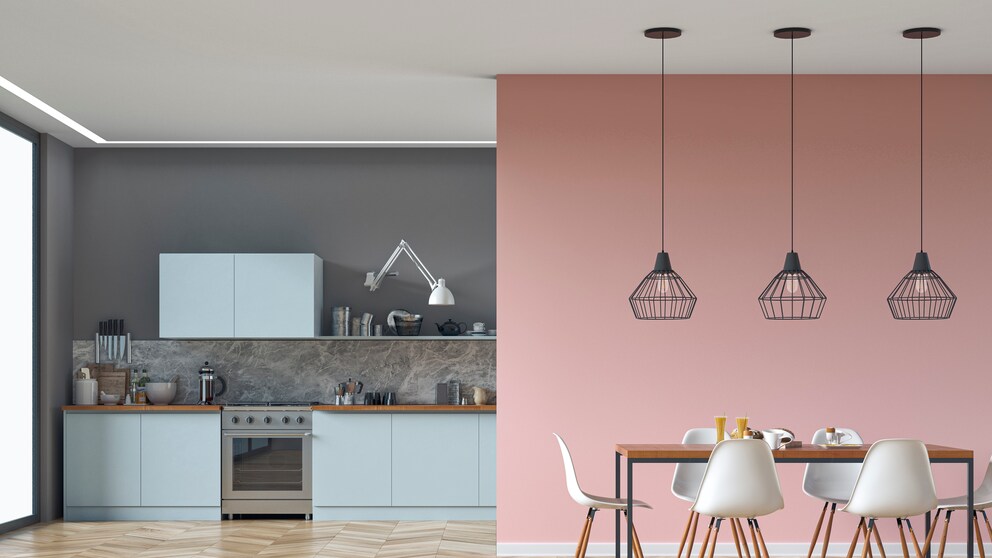
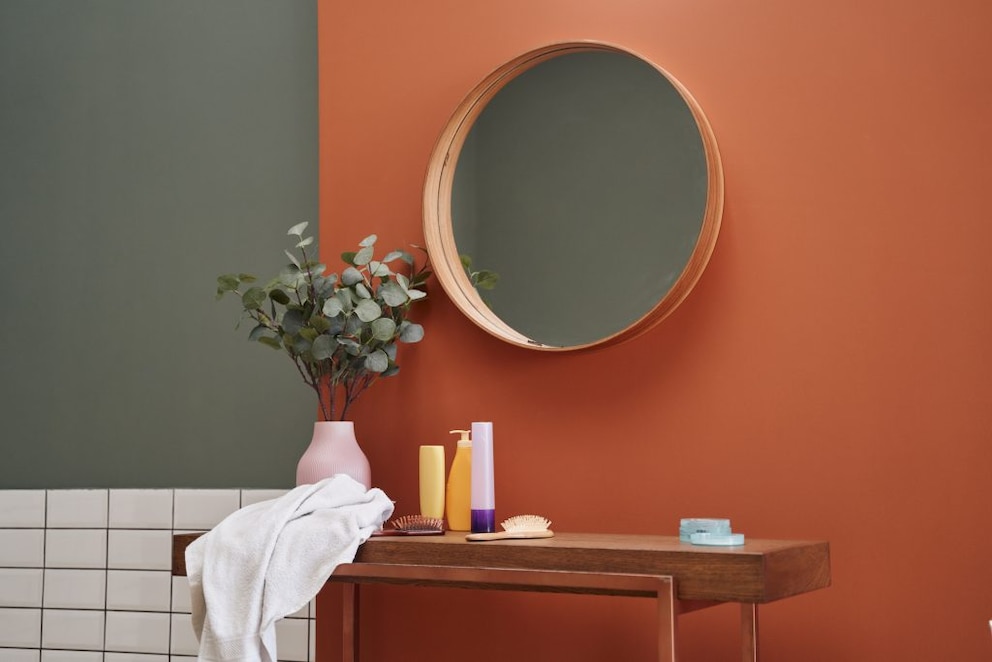
It’s better to follow the principle of the Golden Ratio: About two-thirds of the wall area is painted in a vibrant tone. The remaining third is painted in a contrasting color. In the bathroom, this idea can be implemented with royal blue wall areas in the shower area and the rest of the room in a bold orange tone. Alternatively, an accent wall in the room can be chosen, painted in pink, and combined with an intense coral tone on the surrounding wall areas.
This Trend in Painting Makes Rooms Appear Visually Larger
How to Stylishly Incorporate Stripes in Your Decor
Color Blocking with Muted Colors
Color blocking with muted colors, which have been prevalent in interior design for some time, is different. Their increased gray content robs them more or less of their intense brightness, but makes them more pleasant for decorating. With the right tasteful color combination, the mixing ratio can also be completely balanced. A cozy effect is achieved, for example, with a sofa cover in a warm copper tone against an olive wall. A combination of a wall in strong anthracite and furniture in old rose also creates harmonious color blocking.

Gentle Combination Within a Color Family
Of course, color blocking can also take place in a more subdued setting. The best combinations for this are within a color family. A lively effect on the room’s appearance is not excluded. If one of the two colors is a pastel shade or a soft natural hue and only the second color is an intense contrast, a subtly neutralizing effect occurs in color blocking.
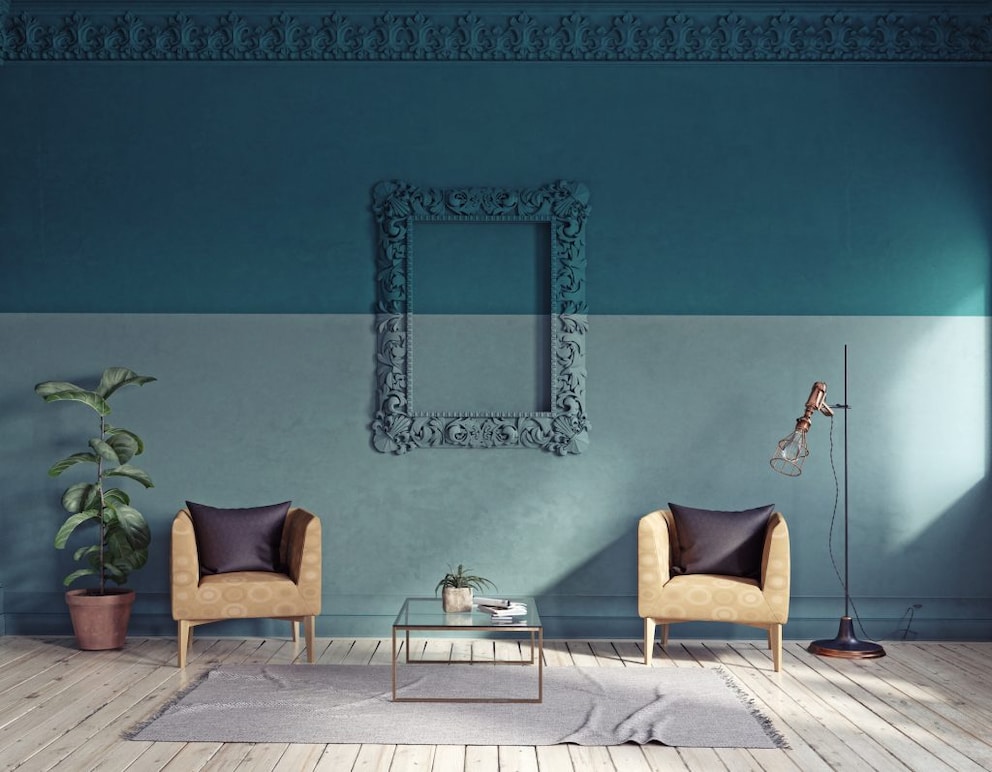
An example would be a bedroom with sorbet yellow walls combined with a bed in a lemon yellow frame. This light monochrome look adds coziness to the room despite the abundant use of color. Equally successful is a color blocking duo in the living room with a mint wall and a moss green sofa cover. An ensemble in the dining room with a red table and chairs on a pink rug also creates a special ambiance.