


October 18, 2023, 3:50 pm | Read time: 4 minutes
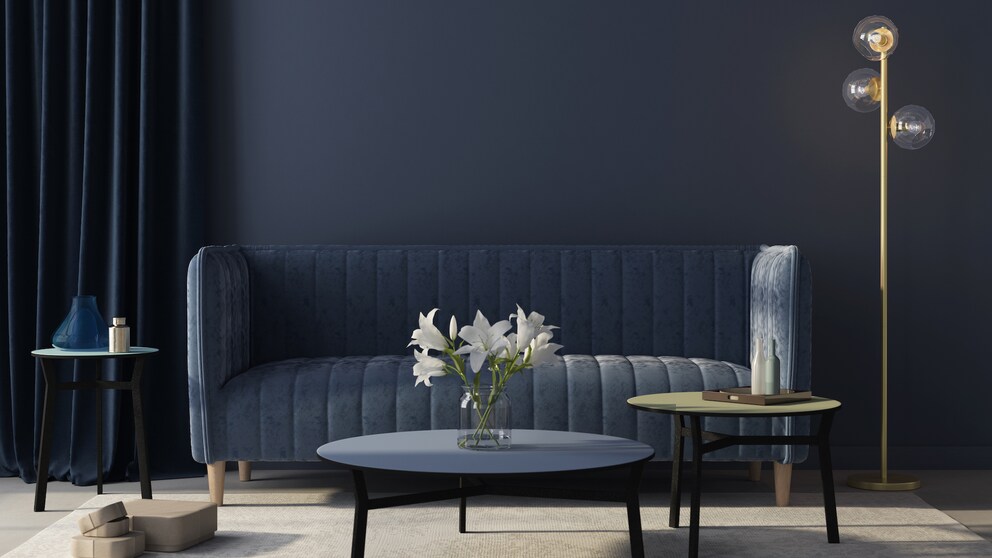
“Color Drenching” is more of an inventive technique than a new trend. The effects this new design idea brings are truly astonishing. myHOMEBOOK author and interior designer Odett Schumann explains what a little courage and a lot of color can achieve in a room.
Color, minimalism, and coziness are currently in high demand when decorating. That’s where “Color Drenching” from the UK comes in handy. This new interior trend perfectly combines all three elements: immersing a room in just one color–is that too much? Not at all, because with the right shade, this design can be extremely harmonious and soothing. Problematic room conditions can also be cleverly concealed. Here, we showcase a few successful examples.
What Does “Color Drenching” Mean?
Translated from English, “to drench in color” means to immerse something in color. In the context of interior design, this trend refers to a monochromatic paint job that extends from the ornate ceiling, across the walls with window and door frames, down to the radiators and baseboards.
In “Color Drenching,” color doesn’t stop at conventional decorating practices. Here, more is intentionally more–without it feeling overwhelming. The secret lies in the shade. A cozy atmosphere is primarily created with colors that have a higher gray content and are therefore less bright and intense.
“Color Drenching” leverages the knowledge that muted tones are much more pleasant for the eyes and the mind. Admittedly, it takes a bit of courage to embrace this trend, but colorful walls exude significantly more coziness than bare white surfaces.
Where Does the Interior Trend Fit Best?
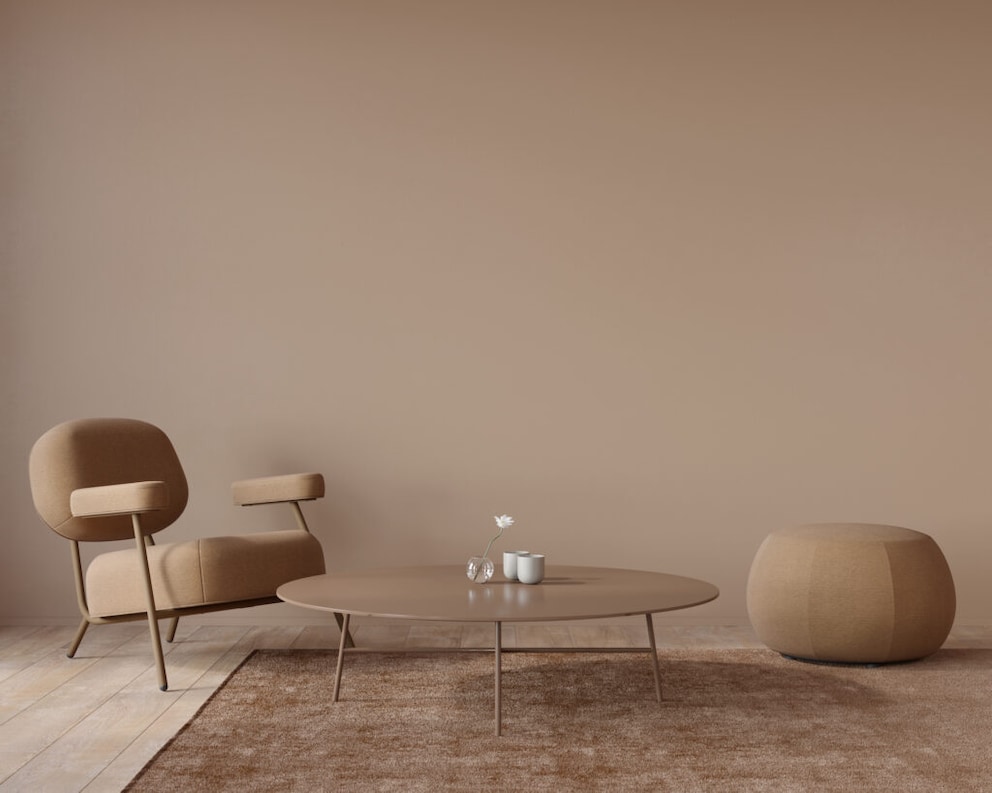
“Color Drenching” is particularly appealing in the spaces of an old building. It creates the impression that all the color in the room can fully unfold its effect, forming a kind of cozy cocoon. Isn’t that what we all long for in our homes?
Besides large rooms, the new interior trend also shines in a livable industrial loft. However, in a home with low ceilings and limited space, an excess of color can feel somewhat overwhelming. Caution is advised here! In such cases, it’s recommended to choose light colors like cream, sand, greige, or light gray.

Also interesting: Why You Should Decorate a Room with Three Colors
Different Rooms, Different Colors
Wrapping a room in just one color brings a corresponding effect depending on the shade. An entrance area with a staircase in matte anthracite, midnight blue, or moss green appears extraordinarily elegant, but also a bit dramatic. A large living room, on the other hand, appears extremely cozy in a terracotta-like nude tone or Marsala.
The trick: Warm colors make the room feel closer together both visually and emotionally. For medium-sized rooms, colors like a washed-out blue, a light mustard yellow, or a balancing sage green are recommended.
In rooms that are not frequently used, bold choices can be made, and unusual colors can be selected. How about coral or eggplant for the guest bathroom?

What Lies Behind the Interior Design Trend ‘Pattern Drenching’
This Trend in Painting Makes Rooms Appear Visually Larger
What Should Be Considered?
To enhance a room with “Color Drenching,” a few points should be considered before painting. It’s crucial to know exactly which furniture and accessories are in the room. More importantly, their color and size are decisive.
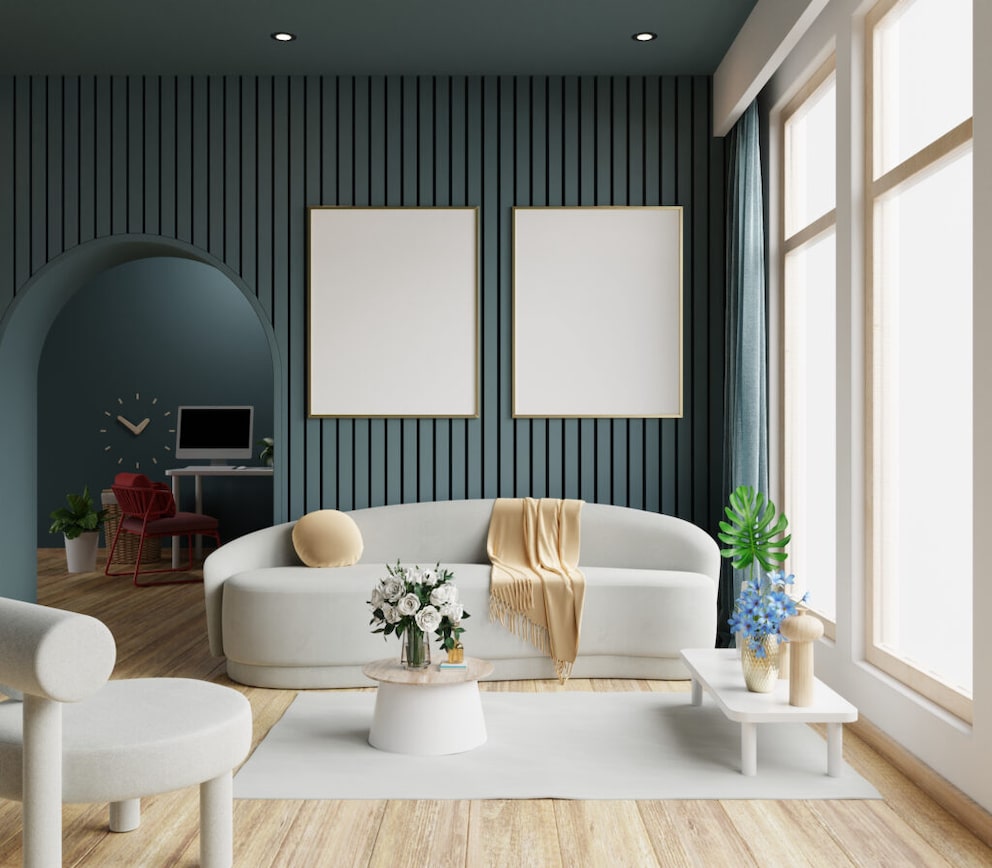
There should be no other dominant colors present. Otherwise, the main effect of the interior trend dissipates, and chaos quickly ensues. However, slight contrasts are compatible with the look.
Those who aren’t afraid of too much color in the room can also involve their furniture and accessories in the design. Generally, it’s advisable that with “Color Drenching,” all furnishings appear minimalist and unadorned in design.
The Effects of “Color Drenching”
At first glance, it seems that “Color Drenching” allows color to dominate the room, but it also brings many positive effects. Because numerous items are in the same color, they visually connect, creating more harmony and tranquility.
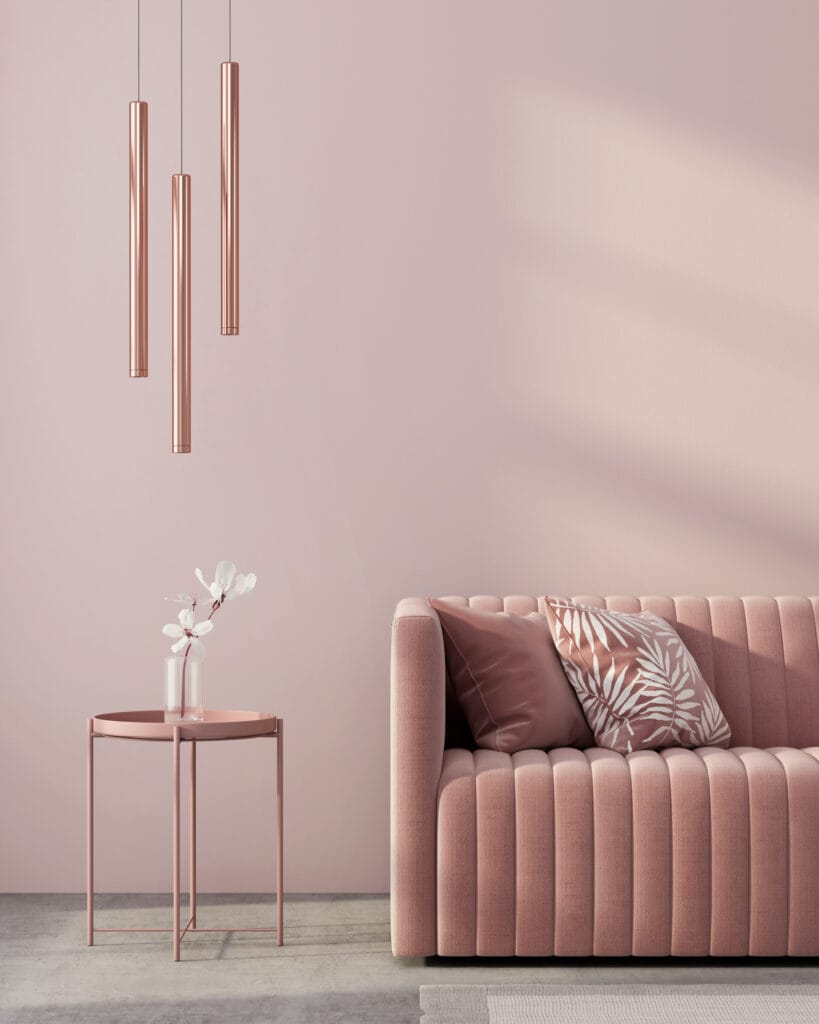
When the boundaries between the ceiling, walls, and floor seamlessly blend, the room benefits from a slight stretching effect. This form of “overpainting” can also make rather disruptive elements in the room, like radiators and pipes, disappear.
Additionally, “Color Drenching” can be used to create zonal divisions, such as separating the home office or dining area in the living room by color. Overall, a room in this look feels inspiring, embracing, but never boring!