


June 16, 2024, 10:33 am | Read time: 3 minutes
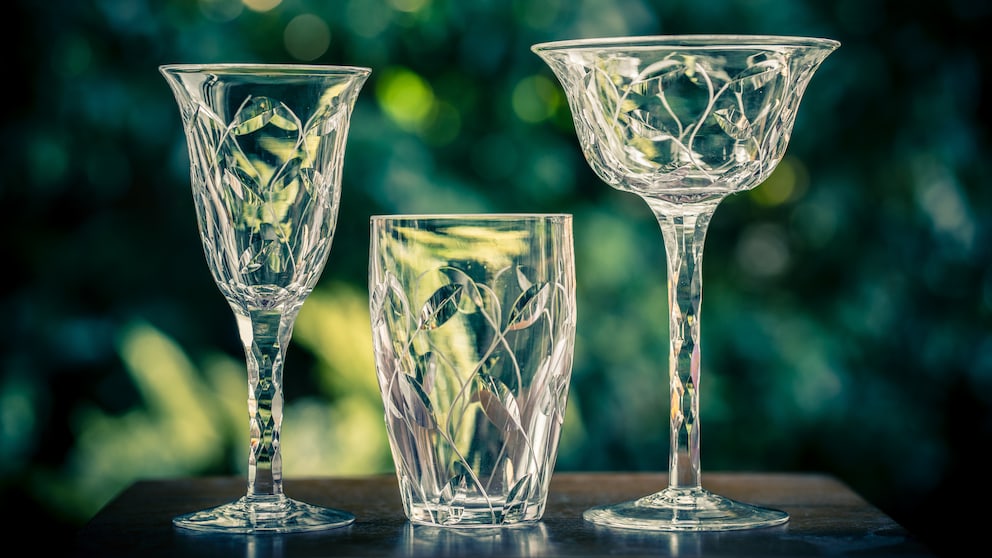
Whether it’s a champagne flute, whiskey tumbler, or serving bowl–crystal items are not only visually appealing, but they are also known for their price. But what sets this type of glass apart from others, and what makes crystal glass so special?
A peek into grandma’s old display cabinet often reveals true treasures. When it comes to glassware, these are primarily crystal items. They are often drinking glasses like champagne flutes or whiskey tumblers, but also elegant bowls and serving platters made from the famously refined glass. But what makes crystal glass so special? How does it differ from regular glass?
How does crystal differ from regular glass?
Let’s start the other way around: What are ordinary drinking glasses from the kitchen cabinet made of? These are made of so-called soda-lime glass, which is relatively inexpensive. This is due to its construction, which is significantly thinner compared to crystal glass. This makes soda-lime glass much more prone to chips or even complete breakage. You should never pour hot liquids into this type of glass. The risk is too great that it won’t withstand the extreme heat and could shatter.
A difference that even a non-expert can notice is the distinct sound of the glasses: Tapping a soda-lime glass produces a rather low tone, whereas crystal sounds more bell-like.
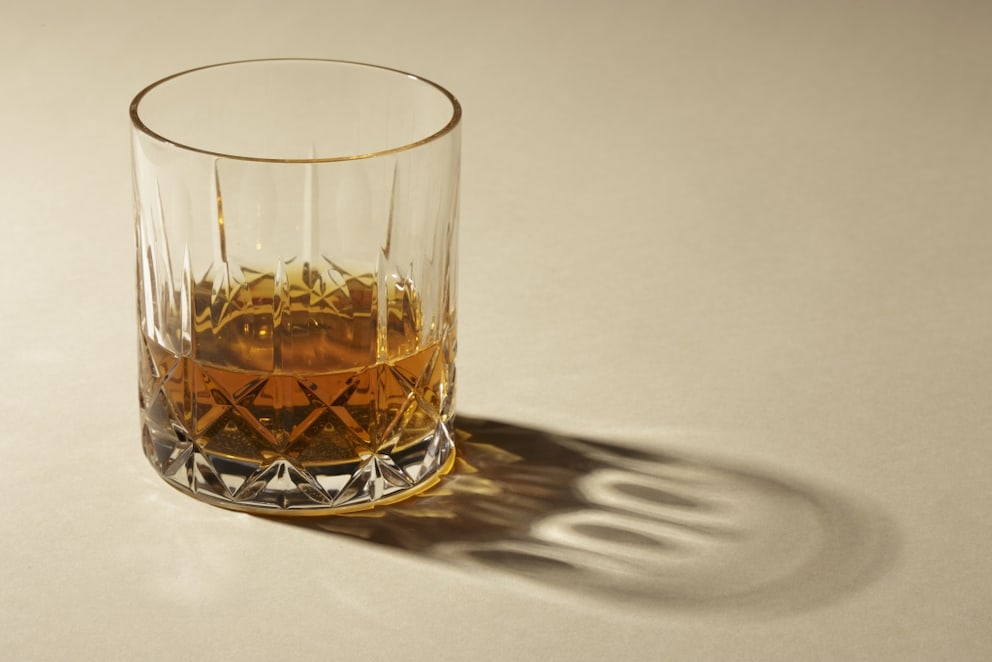
Additionally, crystal glass is significantly brighter, clearer, and more transparent than regular glass, which is why it gets its name, referring to a rock crystal in sunlight. Soda-lime glass can have a colorful tint depending on the ingredients used. For example, adding iron oxide results in a greenish hue.

These Are the Decor Trends for 2024
What You Need for a Stylish and Well-Stocked Home Bar
The difference lies in the lead content
The primary difference between crystal and glass is the lead content. Worldwide, the specific percentage of lead in glassware is defined differently. In the U.S., for instance, material is called crystal if it contains one percent lead oxide (PbO).
In Europe, glassware with less than four percent PbO is referred to as glass. In contrast, crystal has a lead oxide content of more than ten percent. Glassware with 24 percent is called lead crystal, and if the content exceeds 30 percent, it is referred to as high-lead crystal. Crystal glass with 24-30 percent lead content is considered the highest quality.
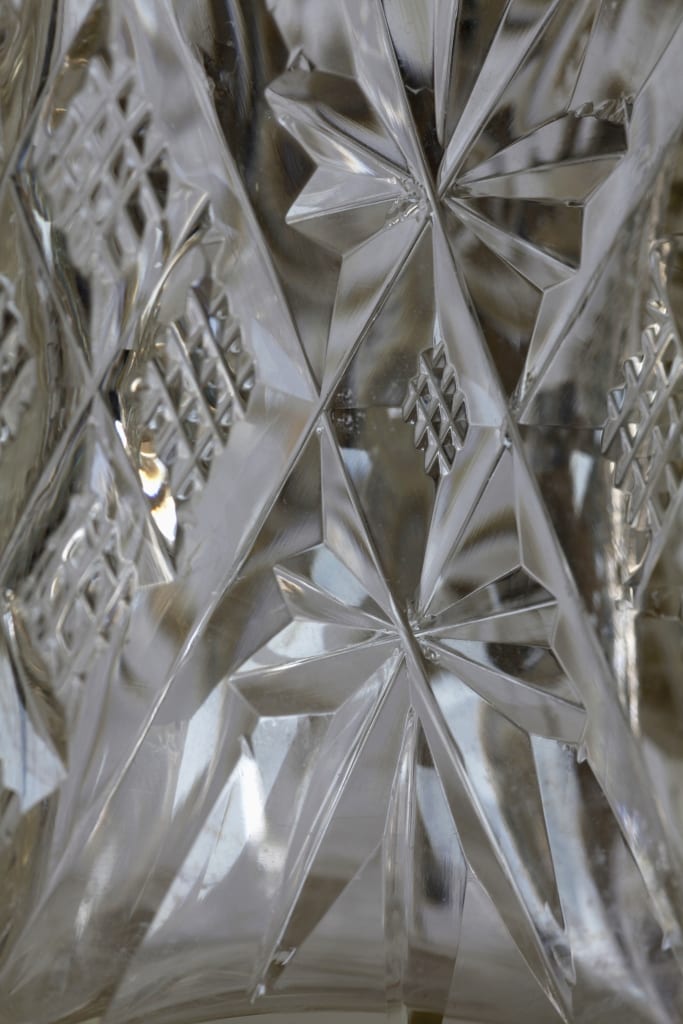
Because crystal has a much higher lead content, it results in a denser mass, making the glass overall more robust and heavier. The corresponding lead content also ensures that the material is relatively softer, making grinding and engraving significantly easier. Therefore, crystal items almost always have a special relief with intricate decorative embellishments.
Another characteristic of crystal is its higher refractive index, also due to the lead content: Proper grinding produces clean crystal glass with fine, thin edges. Compared to common soda-lime glass, crystal shines much more when reflecting light and sometimes even glows. When held against the light, the well-known colorful play of colors in the glass also appears.
Also interesting: Balloon glass, Römer, nosing glass–which drinking glass for which beverage?
Why is crystalware so expensive?
Crystal glasses are often handmade. With mouth-blown and hand-cut quality, prices are higher. This is especially true because crystal, compared to regular glass, has a higher brittleness, making the material much more challenging to work with. Accordingly, a great deal of precision is required in the glassmaking craft, which further drives up the price of the goods depending on the skill level.