


March 12, 2026, 4:37 am | Read time: 4 minutes
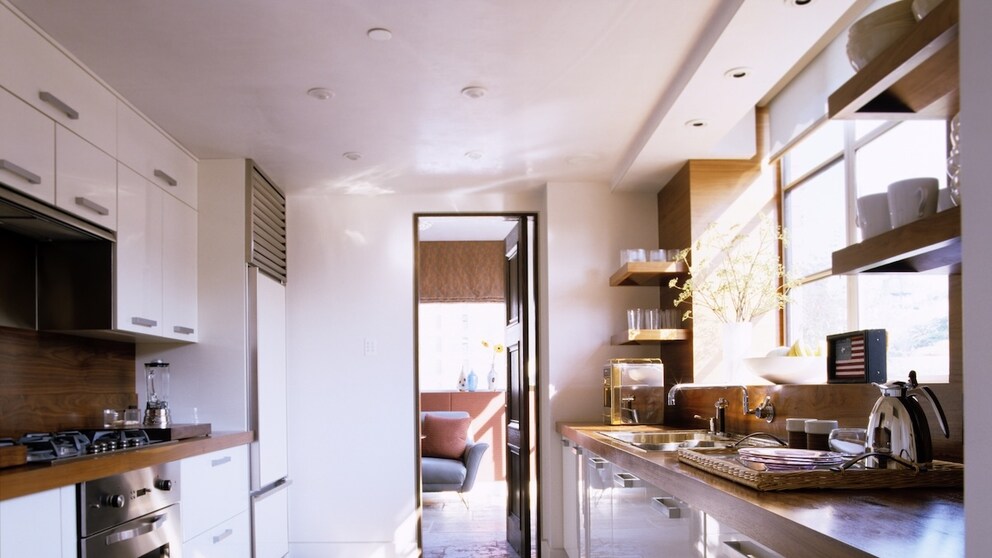
Just a few years ago, cooking, eating, working, and living were meant to blend seamlessly. However, a fascinating countertrend is emerging in the interior world: the closed kitchen is making a surprising comeback. More architects, designers, and residents are consciously choosing a separate room for cooking and discovering qualities that have long been underestimated.
Between Retreat, Design, and New Living Culture
The open kitchen was long a symbol of sociability and transparency. Especially in urban apartments, the wall between the kitchen and living room was often removed to create more spaciousness. But over time, the downsides of the concept became apparent. Smells, noises, and visible chaos on the work surface are hard to avoid in an open living space. Particularly in everyday life—when cooking quickly after work rather than for guests—the constant visibility of the kitchen is more stressful than communicative for many.
Additionally, life within one’s own four walls has changed significantly in recent years. Home offices, hybrid work, and more time at home have led to rooms being thought of more functionally again. Today, the apartment must simultaneously be a workplace, retreat, and living space. Open floor plans often reach their limits in this context.
The Kitchen as Its Own Room
The return of the closed kitchen doesn’t automatically mean a revival of the dark, cramped cooking chambers of past decades. Instead, the room is now consciously designed as an independent functional area—with a clear atmosphere and its own design language. A closed kitchen can be a quiet workspace, a stage for culinary creativity, or an intimate place for cooking together. Architects often refer to this as a “re-zoning” of living spaces. Rooms are given defined tasks again, rather than combining everything into one large multifunctional area.
More Creative Freedom for Interior Design

Another reason for the comeback of the closed kitchen lies in its design potential. While open kitchens are often designed neutrally to match the living room, a separate room can be staged much more boldly. Design trends are showing exciting developments here: bold colors like dark green, aubergine, or midnight blue, patterned tiles, and striking backsplash options. The kitchen thus becomes almost its own interior concept within the apartment. It can be more experimental than the rest of the living area.
Materials also play a larger role. Stainless steel, dark wood, or ceramic countertops often have a more intense effect in a closed room than in an open living landscape, where they often have to visually recede.
Noise, Smells, and Order
Besides aesthetic aspects, practical reasons are also bringing many people back to closed kitchens. Even with powerful extractor fans, cooking smells can’t be completely avoided. In an open kitchen, they quickly spread throughout the living space—from textiles to sofas. The sounds of kitchen appliances like dishwashers, blenders, or the extractor fan can also be surprisingly loud. In a separate kitchen, these noises can simply be left behind a door. And then there’s the issue of order: not every meal is staged like in a cookbook. Sometimes chaos simply remains after cooking. In a closed kitchen, this can happen without affecting the entire living space. Families or shared households increasingly appreciate these practical advantages.

Why More People Are Moving Away From Open Floor Plans
How the Kitchen Work Triangle Ensures Smooth Operations
New Intermediate Solutions in Floor Plans
The comeback of the closed kitchen doesn’t necessarily mean complete isolation. Many contemporary living concepts rely on flexible transitions. Popular solutions include sliding doors made of glass or wood, floor-to-ceiling pivot doors, semi-transparent room dividers, serving windows, or pass-throughs. This way, the kitchen remains its own room but can be opened when needed. This flexibility combines the advantages of both concepts: privacy when cooking and openness during social occasions.
A Cultural Shift in Living
The fact that closed kitchens are becoming more attractive again also says something about the current zeitgeist. While open living long stood for social openness and communication, today the need for retreat and clear boundaries is growing. The apartment is increasingly understood as a place of regeneration. Rooms that allow for different moods and functions are becoming more important. A kitchen that isn’t permanently part of the living room fits well with this desire for structure.
The closed kitchen returns not as a nostalgic relic but as a contemporary interpretation of a classic room concept. It offers peace, order, and creative freedom—qualities that are increasingly valued in an ever more complex living reality.