


July 2, 2026, 5:02 am | Read time: 3 minutes
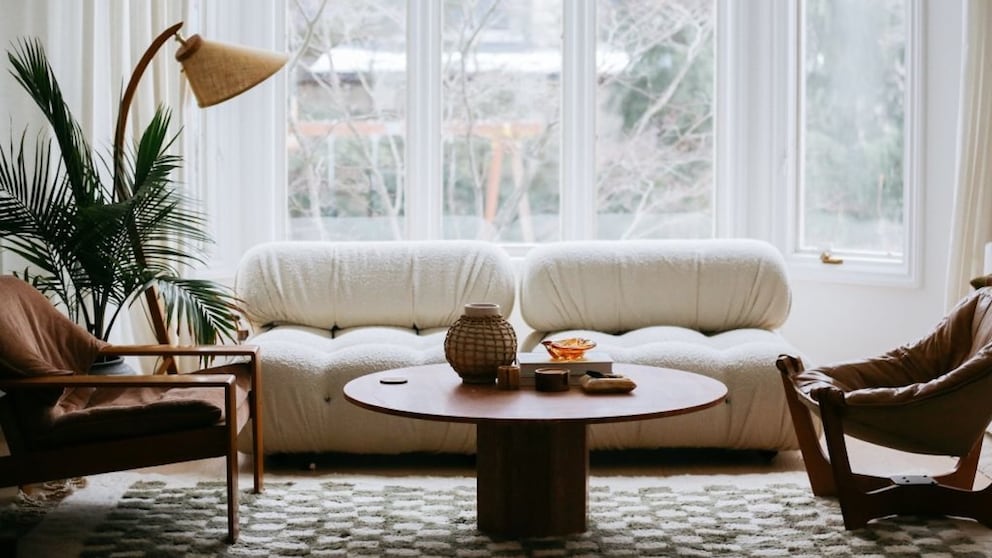
Anyone scrolling through interior magazines, Pinterest, or Instagram today will repeatedly encounter a term associated with decor: timeless. Almost every style, color palette, and new design object is now labeled with this attribute. Everything suddenly seems not only modern but also made for eternity. Yet this is where a contradiction begins, which is becoming increasingly apparent in the world of interior design, as myHOMEBOOK editor Mareike Schmidt finds.
Follow myHOMEBOOK on WhatsApp now
When Every Trend Suddenly Becomes “Timeless”
Just a few years ago, it was common to view trends for what they are: snapshots. They reflect the zeitgeist, respond to societal developments, and change. No one would have claimed that copper accessories, gray velvet sofas, or industrial chic would last forever.
Today, however, hardly anyone seems to want to use the word “trend.” Instead, almost every new style is marketed as a long-term investment. That sounds reassuring–after all, no one wants to feel like they’re spending money on something short-lived. But this causes the term “timeless” to lose its true meaning.
Timeless isn’t what is currently shown most often. In decor, timeless is what still works even when the hype has long moved on.
Also interesting: “My home doesn’t need to be constantly reinvented”
The Algorithm Loves Trends, Not Timelessness
Another reason for this development lies in how we consume decor today. Inspiration no longer comes only from home magazines or exhibitions but primarily from social platforms. There, visibility works through repetition. The more often a particular look appears, the more familiar it seems, and the more it creates the impression of being the new standard. What seemed extraordinary yesterday is seen everywhere within a few months.
Ironically, these quickly spread trends in decor are often marketed as particularly timeless. Yet their sheer presence often ensures they wear out just as quickly.
Barely Set Up, Already Outdated! Why Interior Design Trends Age So Quickly
“I design my home according to these principles”
Timelessness Doesn’t Come From a Style
Perhaps this is the biggest misconception: Timelessness is not a decor style. It arises from proportions, high-quality materials, personal choices, and spaces that are allowed to evolve over the years. A home made up entirely of the most popular furniture and accessories often seems remarkably tied to a specific era after a short time.
The truly timeless homes are often those that don’t strive for trends. There, old heirlooms stand next to new design classics, flea market finds next to modern lights. It doesn’t create a perfect staging but a story.
Less Fear of Change
Perhaps we also need to accept that not everything has to be permanent. It’s perfectly legitimate to fall in love with a trend. Decor can be fun. It can be experimental and change. It only becomes problematic when trends are sold under the promise of eternal validity.
Because when every trend automatically becomes a supposedly timeless style, disappointment is inevitable. Not because the furniture is bad, but because expectations are raised that can hardly be met. Perhaps we should use the word “timeless” a bit more sparingly again.
Not every beautiful trend needs to be permanent to have its place. And not every decor must meet the claim of looking the same in twenty years. A home doesn’t gain value by conforming to every current ideal of timelessness. It gains character when it reflects the person who lives in it. Perhaps that is the only form of “timeless” in decor that truly endures.