


February 14, 2026, 12:27 pm | Read time: 4 minutes
Poet Core is not a loud trend but rather a mood. It’s a style of decor defined less by clear rules and more by feelings, memories, and nuances. It appears to be composed of fragments: a bit of melancholy, a lot of sensuality, a touch of nostalgia, and the courage to embrace imperfection. Poet Core tells stories—of long afternoons, yellowed book pages, soft light, and spaces that aim to touch rather than impress.
In a time when interiors are often dictated by perfection, sleekness, and Instagram appeal, Poet Core deliberately focuses on the unfinished and personal. It’s a style for people who want to inhabit spaces rather than just decorate them—slowly, mindfully, and with feeling.
What Does Poet Core Mean?
Poet Core (also Poetcore) is a fashion and interior design style that describes the romanticized, calm, slightly nostalgic world and aesthetic essence of a poet’s life. It’s not about the real professional life of modern authors but the idealized image: writing by candlelight, a connection to nature, melancholy and contemplation, artistic sensitivity, and books and handwritten letters. The suffix “core” has been used since the 2010s on social media to name certain visual or cultural aesthetics. Here, “core” means the essence or concentrated expression of a particular lifestyle.
The Aesthetic of the Unexcited

Poet Core thrives on atmosphere. Instead of clear lines and stark contrasts, soft transitions, muted colors, and materials with patina dominate. The style draws from romantic, literary, and light vintage influences without appearing historical. It is emotional but not kitschy; nostalgic but not backward-looking.
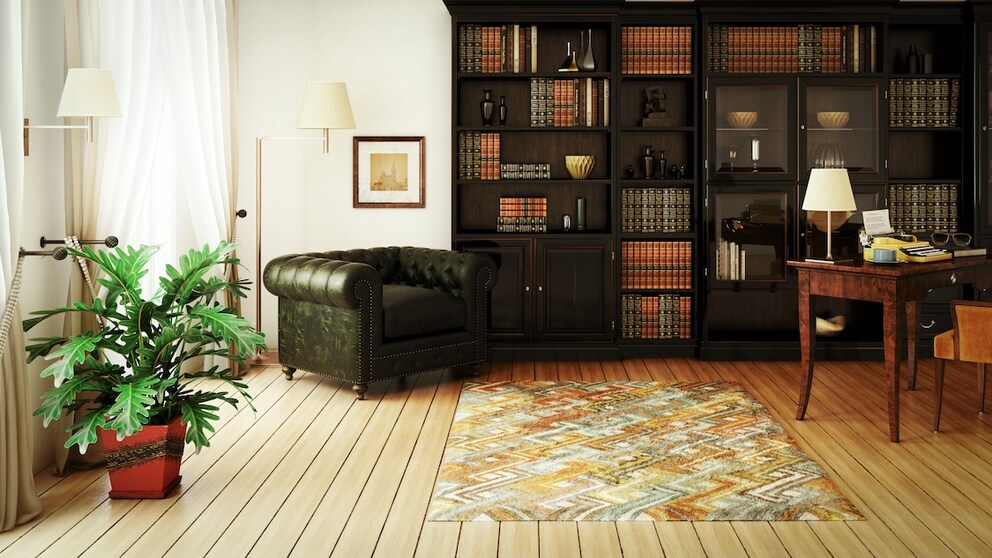
Characteristic is a certain restraint: Nothing looks new or deliberately staged. Furniture seems found rather than bought, textiles tell of use, and surfaces are allowed to age. Poet Core accepts imperfection as part of beauty. A crooked vase, a faded carpet, or a table with signs of wear are not flaws but central elements.
Typical Elements That Define Poet Core Spaces

Natural materials are indispensable. Cotton, wool, untreated wood, ceramics, and glass form the basis. Textiles play a particularly large role: curtains that fall gently, bed linens in washed-out tones, cushions with embroidery or visible seams. They provide depth and a tactile quality that instantly makes the space feel warmer.
Furniture is usually simple but full of character. An old secretary, a delicate wooden table, a sofa with soft cushions. None of it needs to match perfectly. The charm arises from the juxtaposition of different eras and forms. Books are almost always present, often stacked openly or on low shelves. They are not just decoration but an expression of an inner world.
Accessories are used sparingly but deliberately: handmade candle holders, vases with dried flowers, small artworks, old photographs, or notebooks. Everything feels personal, almost intimate, as if one should tread softly through the room.
Soft Tones and Organic Shapes: How to Master the Danish Pastel Trend

Here Are the Christmas Decoration Trends for 2025
Colors Like Memories
The color palette of Poet Core is muted and soft. Cream, ivory, sand, taupe, and warm grays form the foundation. Added to this are washed-out accent colors like sage green, dusty blue, old rose, ocher, or a deep, subdued Bordeaux. These colors are more reminiscent of watercolors than bold acrylics; they flow into each other and create calm.
Instead of strong contrasts, Poet Core relies on nuances. Walls can be painted in warm, matte tones, preferably with a slightly irregular surface. Playing with light is also crucial. Indirect lighting, small table lamps, candles, and natural daylight shape the mood more than any color alone.
How to Achieve the Poet Core Style
The most important step: slow down. Poet Core cannot be fully realized in a weekend. It develops over time. Instead of buying everything new, it’s worth re-evaluating existing pieces, visiting flea markets, or incorporating heirlooms. Every object should have meaning or at least appear as if it does.
When decorating, it helps to focus on feelings rather than trends. What atmosphere should the room have? Cozy, calm, contemplative? This guides the choice of colors, materials, and objects. Less is often more. Open spaces can be important so that individual, special pieces can stand out.
Disorder in the traditional sense has no place here, but a certain casualness does. A book on the chair, a blanket over the back of a chair, a bouquet of wildflowers on the table: All of this can look spontaneous. Poet Core is successful when a room doesn’t look perfect but looks honest. When it invites you to stay, read, write, or simply be still.