


April 17, 2026, 4:03 am | Read time: 6 minutes
Minimalism has been trending for many years now. It’s not just a style of decor but a lifestyle. People live intentionally reduced. myHOMEBOOK editor Lena Hackauf doesn’t find much appeal in minimalism for her home. A cozy home, minimally furnished—a contradiction for the author.
Especially in economically precarious times, the countertrend of maximalism is actually preferred. Uncertainty heightens the need for security. And a maximalist home with many things provides that stability. Yet, minimalism doesn’t disappear. On the contrary, it remains a persistent trend. One reason could be the apparent control the lifestyle promises.
Living Minimally–What Does It Mean?
Minimalism is more than just a decor style. It’s a way of life that says: Less is more. It’s about focusing on the essentials. Choosing consciously to curate life and home. Things perceived as superfluous or burdensome should be reduced. For home decor, this translates to: empty shelves, white walls, a table, a chair, and perhaps a perfectly arranged houseplant somewhere. Along with the promise: less possession, more freedom, more happiness. That might sound good, but it’s not desirable for everyone and sometimes quite unrealistic.
Don’t get me wrong: It’s sensible to live and consume consciously. It’s good to question one’s buying habits and not get lost in excess. However, I differentiate between a conscious and a compulsive execution. Minimalism quickly turns dogmatic. Suddenly, every object is evaluated and scrutinized. But living shouldn’t be a set of rules.
My Home Is Not a Showroom
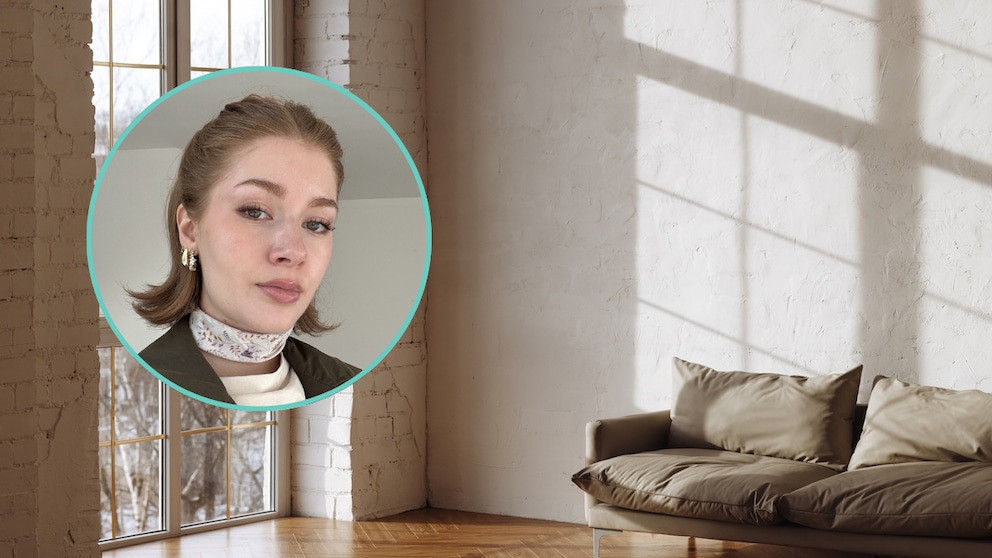
Minimalist homes often seem staged, almost like a concept or exhibition space. The aesthetic is surprisingly uniform. Muted colors, lots of beige, white, and wood tones. Everything looks tidy, smooth, and controlled. But also boring, sad, and uncomfortable. You enter such rooms and involuntarily wonder if you’re even allowed to sit down. Especially the homely aspect of the trend highlights that minimalism only sounds good until you realize how empty real life feels within it. By reducing pictures, keepsakes, and other visible stories, you take away what should actually bring warmth to your home.
Minimalism is exhausting. The home trend only works if it’s carried out consistently. Everything must have its place and be immediately put away. A letter left out stands out in a minimalist home. And even a not perfectly styled shelf suddenly seems like a break in the system. Although minimalism promises peace and order, it can actually create more stress.
Consciously Owning Less Is a Privilege
It sounds paradoxical, but consciously owning little is not something everyone can afford. Minimalism is often portrayed as morally superior. Yet, it is often an expression of wealth. Those who (voluntarily) own little but have access to everything live differently than someone who (involuntarily) owns little because they have little. Or, to put it bluntly: Minimalism is like a cosplay of poverty, performatively reduced, even though significant wealth may be in the background.
A look at the world’s wealthy makes this particularly clear: In the past, the nobility showcased their wealth through lavish rooms, ornaments, and opulent furnishings.
Back then, furniture, wallpaper, and ornate decorations were painstakingly handmade. Through the industrial revolution, today’s furnishings are factory-produced. This is reflected in the price. Even average earners can bring the royal look home in the 21st century—at least visually. But the upper class still wants to stand out visually. And how? By consciously reducing—at least visually. All under the motto “Quiet Luxury” as a new status symbol.

The “empty” villa of Kim Kardashian, an American media personality, impressively demonstrates this: large but intentionally empty spaces. This “emptiness” is not a sacrifice but an (expensive) stylistic device. Minimalism means quality over quantity. Hidden storage and clever solutions for the invisible everyday, implemented with high-quality materials. That comes at a price.
The Issue of Sustainability
Minimalism is often considered sustainable. It’s obvious: Those who consume little reduce their own CO2 consumption. This is generally true. But it’s not that simple. In practice, the environmental aspect of minimalism often remains superficial, as reported by “Quarks.” Because those who radically declutter initially produce waste. Additionally, discarded items are often replaced by new ones.
Joy in More
“Your apartment is so… full.” That’s what my partner once said to me when I asked if he felt comfortable at my place. And yes, he feels comfortable, but he still had to make the comment. But he’s right; I’m a fan of playful details, pattern mixes, and little things to discover. That’s exactly what makes rooms interesting, cozy, and lively. Even in other people’s homes, it’s fun to discover things and get a sense of the residents’ personalities. It doesn’t have to be maximalism, but not minimalism either.
Often, you hear that you can get tired of maximalist homes. I’m convinced that you might get tired of a blank, white wall even faster. After all, there’s nothing for the eye to linger on, nothing that reveals new details over time. And besides, decor isn’t static. You can change it. With secondhand furniture and flea market finds, you can do it sustainably and affordably.
Living should bring joy. It should inspire, calm, and invigorate—depending on the mood. I often don’t see this potential in minimalism. On the contrary, I rather feel like a tumbleweed could roll through the living room like in an old Western movie. The emptiness makes it possible.

What Is Maximalism?

A New Housing Trend Embraces ‘Midimalism’
And Outside?
A quick look at the garden, which many consider an extension of living space: Outdoors, it’s particularly evident that minimalism can even become problematic. Reduced planting, lots of lawn, and a few grasses are typical features of a minimalist garden. It may look tidy to humans. For insects, however, it’s often an ecological desert. Gravel gardens are especially hostile to life. They offer neither protection nor food for native species. The garden makes it clear: Reduction is not automatically better. Sometimes diversity is the more sustainable choice.
Conclusion: More Courage for Abundance
Minimalism is an option, but not an ideal that must apply to everyone. A home can be full of memories and details. It can change and grow. And yes, a home can also be chaotic at times. In the end, it doesn’t matter how little we own, but how we shape our lives in our spaces.