


February 9, 2026, 4:04 pm | Read time: 3 minutes
Full shelves, shopping anytime—we’ve gotten used to that. But what happens when snow, ice, or a prolonged power outage makes it impossible to get to the supermarket? That’s exactly when a well-planned food supply is crucial. myHOMEBOOK highlights common mistakes in creating emergency supplies and what truly matters.
1. Underestimating the Time Frame
One of the most common mistakes is planning too narrowly. Many people stock up for only a few meals. However, the Federal Office of Civil Protection and Disaster Assistance (BBK) recommends a significantly longer period. “You should be able to provide for yourself for at least ten days,” advises the agency. This also means that a substantial amount of food is needed. “But even a supply for at least three days is very helpful,” adds the BBK. Starting small, you can gradually increase your emergency supplies.
2. Not Enough Water Planned
Food is important, but fluids are even more crucial in an emergency. Yet, the beverage supply is often underestimated. “A person can survive for up to three weeks without food, but only four days without fluids,” according to the BBK. Especially if tap water fails, having an adequate water supply is essential. An adult needs at least 1.5 liters of fluid per day.
It’s important to remember that water is needed not just for drinking. “If you want to cook, you should plan for an additional 0.5 liters of water.” Additionally, you can consider fruit juices or other beverages.

Power Outage? Options for Generating Your Own Electricity
How Long It Really Takes to Thaw a Goose
3. The Wrong Foods
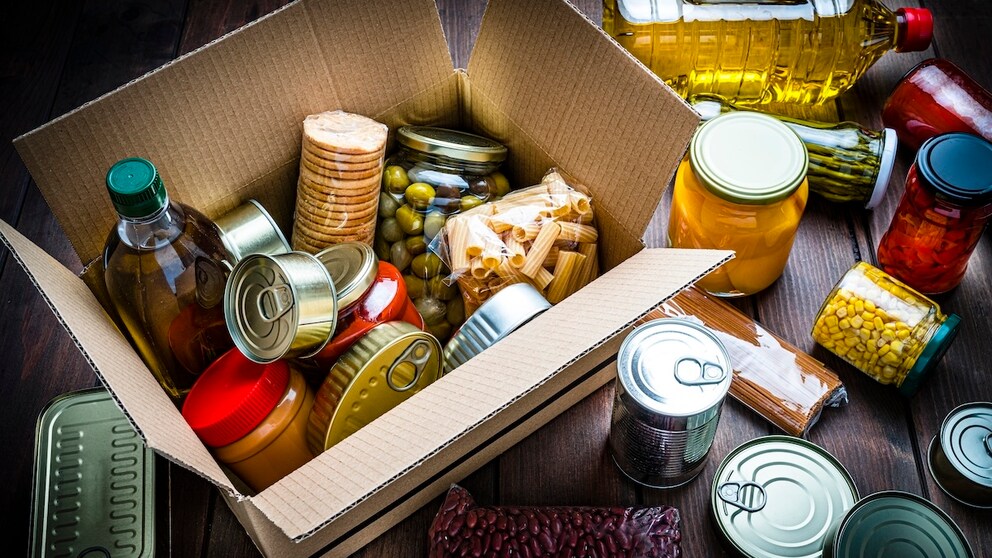
Another mistake lies in the selection of supplies. Relying solely on individual products is not advisable. Prepper expert Alina Mandel is particularly critical of popular but one-sided meals like canned ravioli. “That has no nutritional value,” she stated in a previous interview with myHOMEBOOK. Her recommendation: “Opt for bean stew instead.”
The expert is generally skeptical about pasta. “When you break it down to nutritional value, it’s dough made of flour and water, mainly consisting of carbohydrates. That doesn’t work to keep the body healthy,” explains the prepper.
The BBK also advises considering the following criteria when selecting foods:
- Durability: Foods that don’t require refrigeration are advantageous if the fridge and freezer stop working during a power outage.
- Ready to Eat: Products that don’t need cooking can be used even without a working stove.
- Short Cooking Time: Meals that can be prepared with little energy are helpful if you need to resort to a gas stove or grill.
- Individual Needs: Consider allergies, eating habits, and supplies for children or pets in your planning.
4. Improper Storage of Supplies
Even well-chosen foods are of little use if stored improperly. Mistakes often occur here as well. The State Center for Nutrition Baden-Württemberg recommends, among other things:
- Arrange new purchases according to the “first-in, first-out” principle, so older supplies are used first. This means new foods go to the back of the shelf, and existing ones move to the front.
- Label homemade foods with the production date, quantity, and description.
- Store canned goods and jarred foods only if they are intact, and check smell, appearance, and consistency before consumption.
- Prevent pantry pests, as even durable foods are not completely protected from infestation. Storage containers, which should be as airtight as possible, are recommended.