

September 17, 2026, 4:04 am | Read time: 4 minutes
Fruits, vegetables, processed foods, and beverages are essential parts of daily life. No one can live without them, yet few people give much thought to the foods they consume daily. myHOMEBOOK has researched five very curious facts about some foods.
According to a report by Statista, Germans spend 11.5 percent of all consumer expenditures annually on food and beverages. For an individual, this amounts to 2,580 euros per year. Anyone investing this much money in food and drinks should know the following facts about ketchup, honey, or eggplants.
Follow myHOMEBOOK on WhatsApp now
5 Curious Facts About Foods
Honey Is Almost Indefinitely Durable
Honey is a popular spread and is indispensable in many households. According to a statistic from the Federal Ministry of Agriculture, Nutrition, and Home Affairs, the per capita consumption of honey in 2025 was approximately one kilogram. But what happens to a jar of honey if it sits for a while?
Actually, not much, and it hardly matters whether the honey is already opened in the cupboard or still completely sealed. Honey contains so much sugar that bacteria and germs find little nourishment there. After all, the sugar absorbs all the water–exactly what bacteria need.
Proper storage is key: Honey should be stored cool, dry, and in the dark. The jar should be well-sealed, as honey tends to absorb other odors. And you shouldn’t put the jar of honey in the refrigerator. There, it crystallizes and becomes difficult to spread.
Ketchup Was Once Medicine
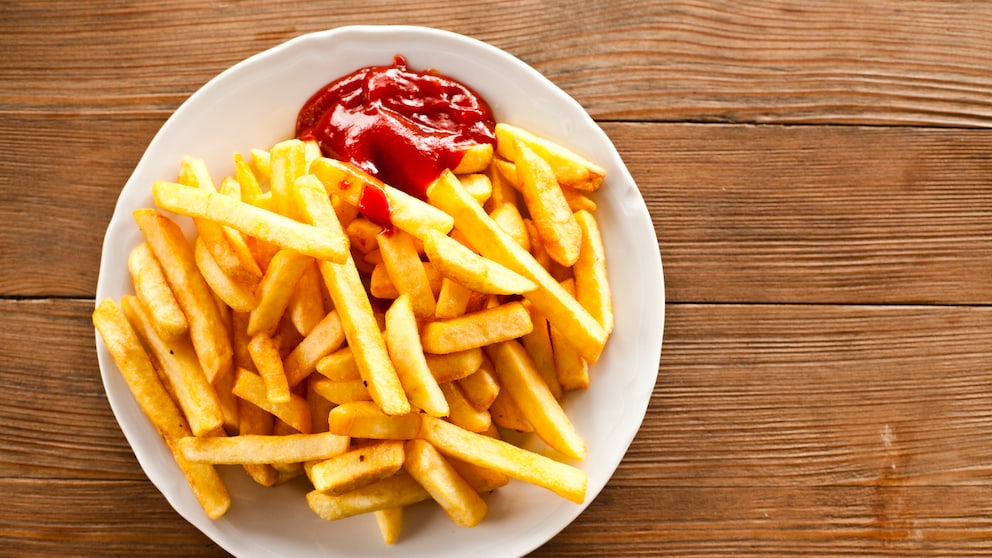
For those who love grilling, ketchup is likely already a kitchen staple. But what is now known as a side for fries, hot dogs, and other dishes was actually sold as medicine in the 19th century. A doctor named John Cook offered a mixture of sugar, tomatoes, and other ingredients in 1834, which supposedly treated ailments like rheumatism and diarrhea. What was initially marketed as a kind of miracle cure quickly lost significance until 1869, when a well-known manufacturer began and gave the mixture its new and now actual meaning as ketchup.
Also interesting: Is last year’s barbecue sauce still good?
Eggplant Contains Nicotine
Eggplants can be found in almost every supermarket and can be used in a variety of dishes. Whether grilled, baked, or fried, eggplants contain a substance few would expect: nicotine. More precisely, the plant uses this substance to keep insects and pests at bay. But there’s no need to worry. The nicotine content of an entire kilogram of eggplant is in the microgram range. This means the traces in a single eggplant are virtually undetectable to humans and only detectable through microbiological tests.
Also interesting: Planting eggplants in the garden and on the balcony
Wasabi Is Mostly Not Wasabi
For those who enjoy sushi, here’s a somewhat sobering fact: The wasabi that accompanies most sushi in restaurants is often not real wasabi, even though it has a strong spiciness. Instead, what often accompanies sushi is a mixture of horseradish, mustard, and some colorants that give the mixture the typical green color of wasabi.
But why not real wasabi? The reason is as simple as it is disappointing: Wasabi is a well-known but very expensive and rare plant from Japan. The prices for a kilogram of pure wasabi in Europe range from about 350 to 400 euros. The plant itself is so rare that even in Japan, not every restaurant serves real wasabi. However, they are more transparent about it. Most menus clearly state whether it is “real wasabi” or “Seiyō Wasabi,” a mixture of substitute products.
Why Are Bananas Curved?
Bananas are among the most popular fruits in Germany. So popular that they must be imported year-round, with each person consuming a total of twelve kilograms per year. But why is the beloved banana fruit so curved? The culprits are light and gravity! As the banana grows on its stalk, it initially grows downward. But over time, the banana bends toward the light, or upward. This creates the typical curved shape of the banana by the time it is harvested.