


August 28, 2025, 3:41 am | Read time: 3 minutes
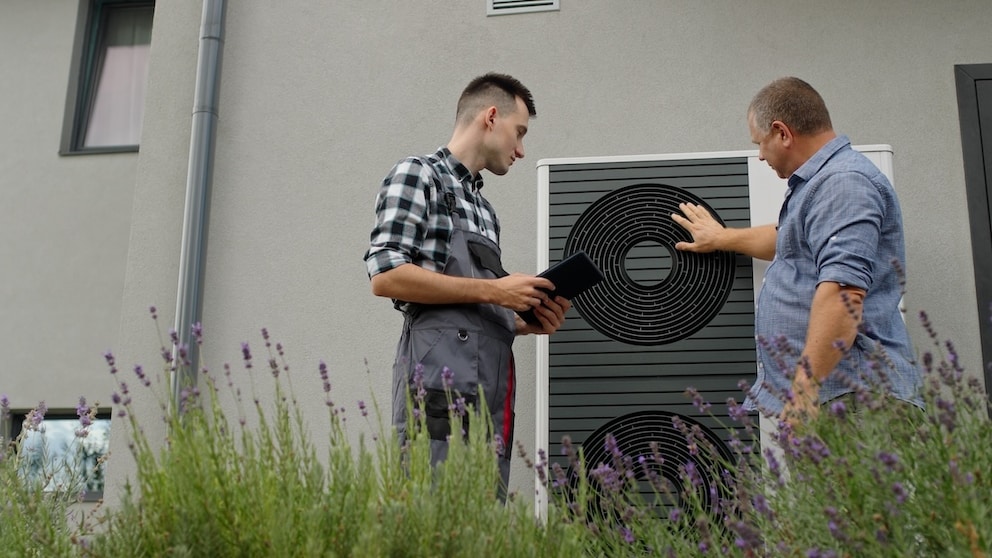
A heat pump can heat your home in an environmentally friendly and efficient way. That’s why more homeowners are opting to install this heating system. To ensure the device functions properly and to avoid unnecessary costs, you should avoid the following heat pump mistakes.
1. Incorrect Size
Unlike gas heating systems, where you might choose the next larger model, the size of heat pumps should be precisely matched to the size of the house. Oversized heat pumps operate inefficiently, leading to increased electricity consumption and a shortened lifespan. Of course, it shouldn’t be too small either, as it won’t adequately heat the entire area.
When sizing the pump, consider the following factors:
- How large is the area to be heated? What is the building’s insulation like? And what is the desired room temperature? These are questions to answer during a heating load calculation.
- To ensure the heating is evenly distributed, a hydraulic balance is necessary. This prevents over- or under-supply and can save up to 15 percent in energy.
- The size of a heat pump also depends on whether you are heating with radiators or through an underfloor heating system. Generally, underfloor heating requires less heating power.
- Often, the heat pump also heats the household’s hot water. Therefore, sizing also depends on the hot water demand.
2. Incorrect Location
Heat pumps aren’t particularly attractive. So, should you place them where they can’t be seen? Not necessarily. The optimal location for a heat pump is sheltered from the wind and offers enough space to safely set up the system.
3. Incorrect Heat Source
Heat pumps utilize various environmental energy sources to generate heating, according to the Consumer Center. These include outdoor air, groundwater, and geothermal energy. However, not every heat pump can use every heat source. Remember: not all heat pumps are the same. There are different types: air heat pumps, groundwater heat pumps, and geothermal heat pumps.
If the heating system is operated with an unsuitable heat source, it negatively affects heating performance and consequently increases electricity costs.
4. Inadequate Sound Insulation
Air heat pumps, especially, generate noise through their fans and compressors. To avoid disturbing your own living comfort and that of your neighbors, sound insulation should be provided. Special soundproof hoods minimize noise pollution and can also enhance the heat pump’s appearance.
Related: 4 Tips to Reduce Heat Pump Noise
Heat Pump in an Apartment Building? The Most Important Questions and Answers
When an Air-to-Air Heat Pump Is Worth It for Heating
5. Errors in Airflow
Air heat pumps are generally among the cheaper models to purchase, partly because they are the easiest to install. However, errors can occur. Correct intake and exhaust airflow is particularly important. If the openings are incorrectly placed, it can lead to short circuits in the air streams. Electricity consumption and heating costs rise, and the lifespan of the heat pump suffers.
6. Do Not Heat Unused Rooms
While it makes sense to heat rarely used rooms—like a guest room—less with gas heating, it’s different with heat pumps. Unevenly heated rooms can be costly. The remaining rooms then have to “work” harder, leading to higher flow temperatures. The flow temperature describes the temperature at which the heating water flows into the radiators. Ideally, it should be between 30 and 50 degrees Celsius. The higher the flow temperature, the more electricity consumption increases.