


March 15, 2024, 3:40 pm | Read time: 4 minutes
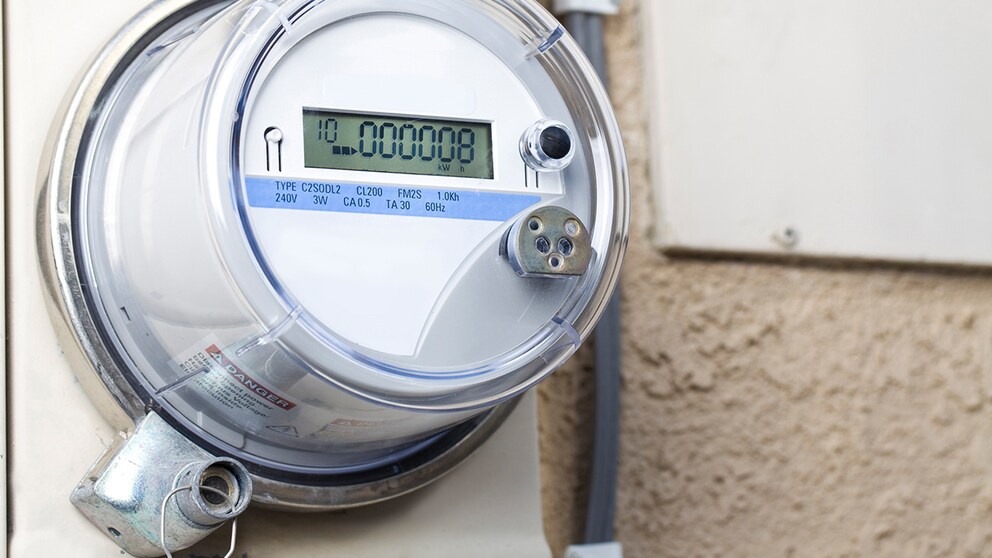
Analog electricity meters will soon be obsolete, with digital meters set to become the standard in Germany. Millions of households will be affected by the transition, which is set to begin in 2025.
The introduction of digital electricity meters has been announced for some time, and 2025 is the target year. The so-called “smart meters” will automatically transmit electricity consumption to providers and offer more transparency for consumers. Households will be able to monitor their consumption or track how much energy is fed into the grid, such as from a solar panel on the roof. The traditional “Ferraris” meters with a spinning disc will become a thing of the past.
The Benefits of Digital Electricity Meters
Digital electricity meters–also known as smart meters or intelligent meters–are networked devices for measuring heat or electricity. They automatically transmit consumption data to providers and make it visible to consumers. “Which device uses how much electricity, at what times is consumption highest, and where are the greatest savings potentials?” listed Bernhard Rohleder, CEO of the Digital Association Bitkom.
“Smart meters will massively support people in saving energy,” the expert explains. “In the future, personal consumption will be as easy to read via a smartphone app as a car’s fuel consumption or a phone’s battery level.” The new meters can also register when electricity is fed into the grid, which is important for owners of solar panels on the roof or balcony.
Dynamic Electricity Tariffs to Offer Balance
The importance of renewable energies will continue to grow, with at least 80 percent of Germany’s gross electricity consumption expected to come from renewables by 2030. However, the production of wind turbines and solar panels fluctuates with the weather. Starting in 2025, all electricity providers will be required to offer dynamic tariffs, where prices rise or fall depending on supply. Currently, this requirement only applies to large providers.
With the wider adoption of climate-friendly technologies such as heat pumps and electric cars, electricity consumption will increase, making efficient use more important. Dynamic tariffs are intended to incentivize activities like doing laundry or charging electric cars when electricity is abundant and prices are low. Consumers could manage this via an app in the future. Targeted consumption is expected to help stabilize the overall electricity system.
These Costs Await Consumers
Many meter cabinets will need to be adapted for digital electricity meters. The cost of replacement varies by design but can also be in the low four-figure range.
In addition to the one-time costs, there are also fees charged by the electricity provider. Private individuals and small consumers should not have to pay more than 20 euros per year for a smart meter. For households with controllable consumption devices like heat pumps, the cost should be 50 euros per year.
“This allows consumers with an installed intelligent metering system to save more money than they pay in fees for the metering points,” explained Thomas Engelke, head of the Energy and Building team at the Federation of German Consumer Organizations (vzbv). However, these caps must remain stable in the long term.
Excessive Fees? What Network Operators Can Charge for Smart Meters
Tado’s Dynamic Electricity Tariff Promises to Save Hundreds of Euros Annually–But There’s a Catch
Landlords Bear the Costs of Installation
The German Tenants’ Association expressed a similar view. If a new meter cabinet is required during installation, landlords must bear these costs and cannot pass them on to tenants. “Additionally, all data protection and security requirements for tenants must be ensured.”
Also of interest: How consumers can protect themselves from high advance payments
The Roadmap for Digital Electricity Meters
The government and Bundestag aim to roll out the devices promptly. Therefore, a two-stage plan for further distribution has already been decided.
Households with an annual consumption of 6,000 to 100,000 kilowatt-hours of electricity will be entitled to have a digital meter installed within four months of expressing interest starting in 2025. The same applies to households with an installed electricity generation capacity between 7 and 100 kilowatts.
In 2028, there will be a requirement to install them in households with an annual consumption of more than 100,000 kilowatt-hours or producers with an installed electricity capacity of 100 kilowatts or more. The remaining households have until 2035 to replace their electricity meters.
With material from dpa