


July 14, 2026, 9:12 am | Read time: 4 minutes
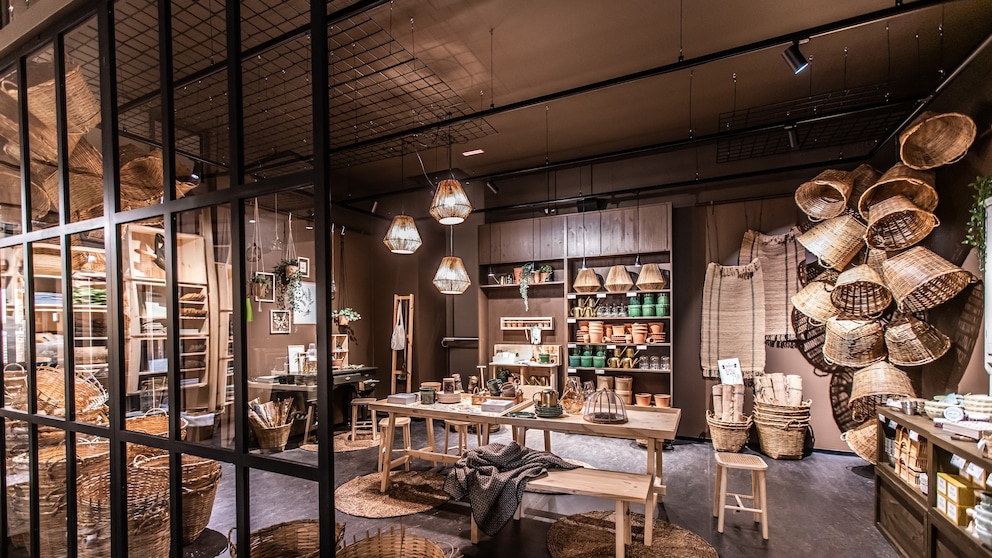
Anyone who has ever strolled through a Søstrene Grene store knows: “Just grabbing something quickly” usually doesn’t work here. Company CEO Mikkel Grene describes the stores as a small town with places to linger and a deliberately designed store atmosphere. Often, more ends up in the shopping cart than originally planned. But how transparent is Søstrene Grene? Where are the products manufactured, and what information does the company disclose about its supply chain?
The Story Behind Søstrene Grene
With 106 stores, Germany is now the most important market for the Danish retail chain. The company was founded in 1973 by Knud Cresten Vaupell Olsen and Inger Grene. The idea behind it: A completely new type of store, intended as a place for sensory experiences. Since the father came from the world of ballet and theater and the mother worked as an interior designer, staging and aesthetics were central from the beginning.
Søstrene Grene ventured into Germany more than 40 years after its founding. “Initially,” says company CEO Mikkel Grene, “we were somewhat hesitant about entering the German market because we had seen other Scandinavian retailers, who were successful in other European countries, fail in Germany.” However, there is no longer any sign of this hesitation. According to its own statements, Søstrene Grene sees long-term potential for around 150 stores or more in Germany.
Also interesting: Who Is HEMA? A Look Behind the Brand
The Store Concept
The range includes craft supplies, ceramics, stationery, kitchen items, home accessories, and small furniture. The products are arranged along a fixed route that guides customers through various themed worlds. There are no shortcuts: If you want to buy just a specific item or realize at the end that you forgot something at the beginning, you have to go through the route again. New product worlds and regularly changing items await around every corner. The concept is designed to ensure that customers perceive the entire range but also to encourage them to buy other products they don’t necessarily need.
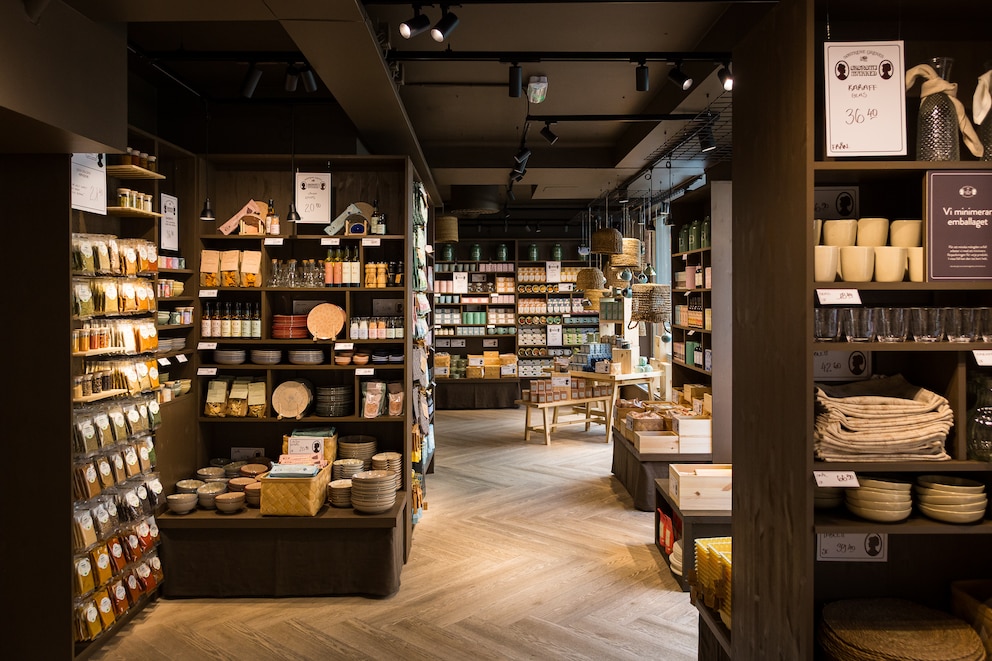
The fictional sisters Anna and Clara guide customers through the various themed worlds on signs and posters. They are an integral part of Søstrene Grene’s brand presence. The sisters officially appear as “hostesses.”
Every text on social media, in the online shop, or on store signs is written as if Anna and Clara are speaking directly to the customer, often staged through speech bubbles. According to trade experts, the two add an emotional layer to the products and are meant to encourage customers to browse.
According to the company, the offerings are aimed at people of all ages. Creative and DIY products also play an important role. Like many providers of home accessories, Søstrene Grene is repeatedly criticized for promoting the consumption of short-lived products with frequently changing assortments.
Who Is Hema? A Look Behind the Brand
Hemtex Launches in Germany: What Lies Behind the Home Furnishing Store
Where Are the Products Manufactured?
Søstrene Grene is now represented in numerous European countries. With international growth, the demand for goods also increases. This makes it all the more interesting where the family business has its products manufactured and how transparent the company is about its supply chain.
However, where exactly Søstrene Grene has its products manufactured remains unclear. When asked about the comparatively low prices, the company refers to its philosophy of “not making products more expensive than they need to be.” According to its own statements, it works with suppliers in various parts of the world.
However, the company does not specify production countries or factories. In its supplier code of conduct, Søstrene Grene requires its suppliers to adhere to social and environmental standards and is a member of amfori BSCI, an international initiative to improve working conditions and social standards in global supply chains.
Also interesting: 9 Popular Online Shops for Decor and Accessories
Recalls and Competition
In recent years, Søstrene Grene has had to recall products multiple times. Affected items included watercolors due to high lead content, heat pads due to fire risk, microwave kilns due to the risk of electric shock, solid hand soaps due to potential health hazards, and string lights for safety reasons.
Similar concepts can be found at Butlers, Flying Tiger Copenhagen, and Dille & Kamille. They also sell home accessories, household goods, and decorative items and regularly change their assortments. Differences are mainly seen in the store concept and design.
While many customers appreciate the range and store concept, international goods transport in connection with sustainability repeatedly sparks discussions. Since Søstrene Grene does not disclose its production sites, the origin of many products remains only partially traceable to outsiders.