


July 4, 2026, 1:42 pm | Read time: 5 minutes
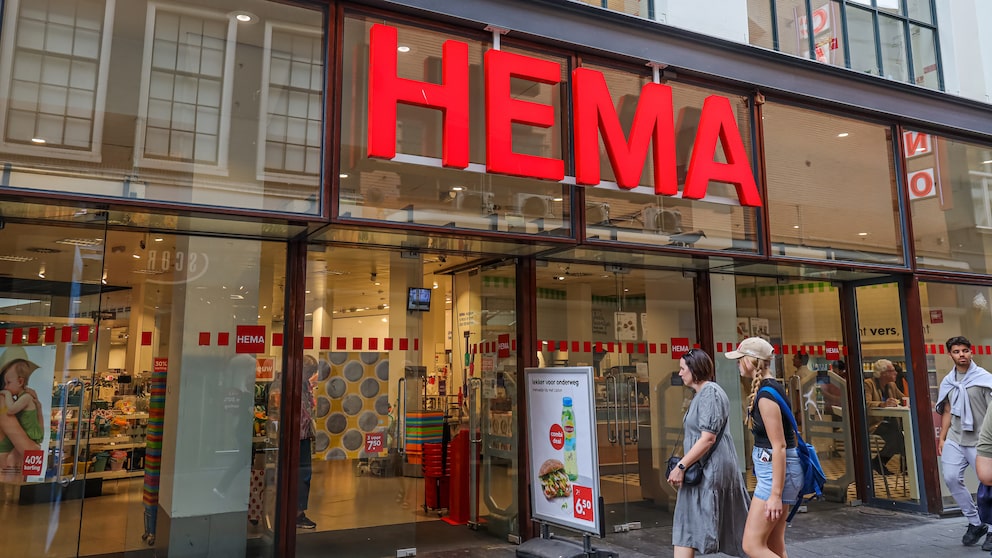
Whether it’s decorative items, children’s and baby fashion, textiles, or trendy products for the office–Hema is the go-to place for everything that combines Nordic minimalist aesthetics with function. Originally founded in the Netherlands, Hema began its remarkable success across Europe at the end of the 20th century. myHOMEBOOK explains what lies behind the company.
Follow myHOMEBOOK on WhatsApp now
Origin and History of Hema
The department store chain Hema is known for its wide range of products and is especially popular among young people thanks to its fresh design. What few people know: Hema has been around for a century. According to the company’s website, the brand was founded in 1926 by Leo Meyer and Arthur Isaac in Amsterdam as an affordable alternative to the often overpriced department stores of the time. Even then, the business concept was reportedly a complete success, mainly because Hema offered everything necessary for everyday needs and appealed to people with lower incomes. The concept has endured to this day but has been continuously developed over the decades.
After World War II, Hema began expanding, initially exclusively through a franchise system within the Netherlands. In 1986, the first store opened in Belgium, and Germany followed as the third market in 2002. Hema now operates 17 stores here. It is also present in countries such as Luxembourg, France, and Austria.
In addition to imported goods, Hema increasingly developed its own products with a clear, functional design language, whose minimalist design is typical of modern Dutch design and reminiscent of the Japandi style.
What Products Are Manufactured?
The brand’s concept is simple: “For almost 100 years, Hema’s goal has been to improve everyday life in a more beautiful world. Every day, every season, all year round. For everyone. Hema has everything you need around the clock,” according to the official company website. Since its founding, Hema has aimed to offer functional everyday products at affordable prices. The company now sells its products both in stores and through several online shops.
Also interesting: Who is behind Le Creuset?
A Range That Appeals to Many Tastes
The wide range of the department store can be divided into different areas: In addition to baby, children’s, and adult fashion, home textiles, ceramics for the bathroom and kitchen, decorative items, party and gift supplies, and stationery products are available. Additionally, personal care and cosmetic products, as well as hobby items, are offered. Not only do good quality and the best design play a significant role, but also the ecological footprint. “About one-third of the annual climate footprint of a Dutch household is generated by the purchase of food, drinks, clothing, and other goods. These are exactly the products Hema produces and sells. We are aware of the importance of our role and take responsibility for reducing the climate and environmental footprint in our customers’ daily lives,” the company explains.
Accordingly, a significant focus is placed on sustainable aspects in the production of their own designs. Special attention is paid to resource-saving packaging, the impact on people and the environment, as well as the use and lifespan of products. Hema does not offer disposable items but products that make life more beautiful in the long term.
Few figures are as closely associated with Holland as Miffy. Therefore, the famous little white rabbit, invented in Utrecht, is also part of Hema’s product range. More than 150 Miffy items are available in the online shop–from notebooks to plush figures, keychains, bags, and waffle irons, everything is included.
What Are Hema’s Production Conditions Like?
When it comes to production sites, Hema is transparent. Since the company does not have its own production facilities, it relies on manufacturers worldwide. Like many international trading companies, Hema has a large portion of its products manufactured in Asia, especially in China, Bangladesh, and India. In countries like Bangladesh, working conditions in the consumer goods and textile industry have been publicly criticized for years.
According to its own statements, Hema requires its suppliers to adhere to a code of conduct and regularly checks compliance. Since 2003, the brand has also been a member of amfori BSCI, an initiative that advocates for improved working conditions and environmental standards worldwide. Additionally, Hema is committed to continuous development through participation in the Bangladesh Accord, the IMVO Covenant for Sustainable Clothing and Textiles, and by organizing stakeholder meetings.

How Transparent Is Søstrene Grene?
Hemtex Launches in Germany: What Lies Behind the Home Furnishing Store
Recalls at Hema
It is concerning that products often have to be recalled due to questionable ingredients. According to the Austrian Consumer Information Association (VKI), asbestos was found in play and craft sand for children in February 2026. A distressing message for parents. In recent years, Hema has also made headlines with recalls, including due to fire hazards with water drippers, choking hazards from small parts in children’s toys, and metal pieces in cookies.
Specific allegations of systematic violations of labor rights have hardly become public in recent years. However, as with many internationally producing trading companies, controlling complex supply chains remains a constant challenge.
How Does the Company Fare with Consumers?
Hema keeps up with the times, continually adapting its range to seasonal everyday needs and actively responding to customer demands. Hema often sets new trends on social networks with its designs.
However, official reviews vary. While the physical stores are often praised for their product selection, good value for money, and design sense, the online shops in different countries are criticized for service issues and delivery difficulties. Hema did not comment on this when asked.