


July 22, 2026, 3:27 pm | Read time: 5 minutes
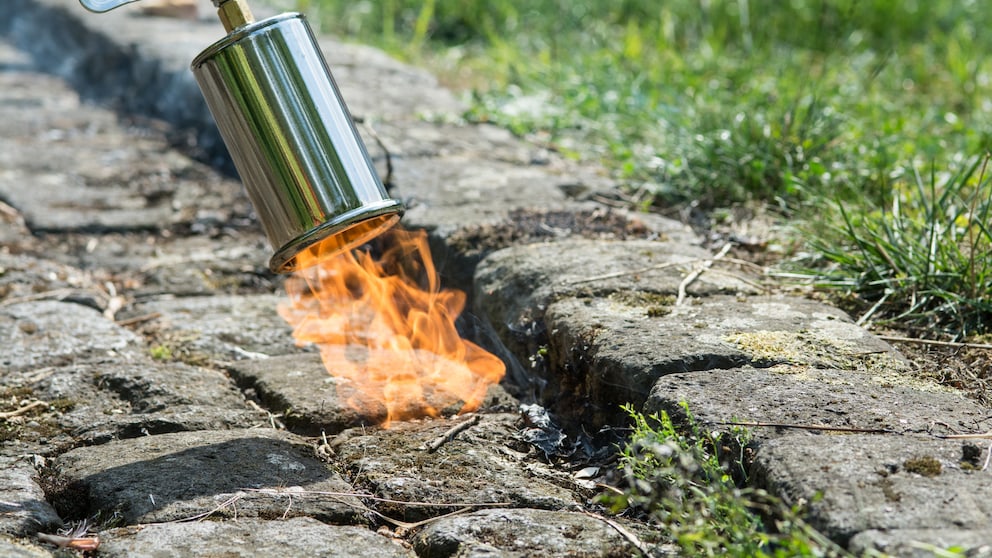
Weeds growing between paving stones or on the patio are a nuisance for many garden owners. To avoid the time-consuming task of weeding, more and more people are turning to weed burners. These devices are considered a quick and back-friendly solution, but they are not without risk. myHOMEBOOK consulted an expert on what to consider when using a weed burner.
While wild herbs can be eliminated quickly with a weed burner, handling the open flame requires special caution. Especially during dry conditions or near flammable materials, the fire can spread rapidly and cause significant damage. If a fire occurs, those responsible may not only have to cover the damage but also face legal proceedings for negligent arson.
Is burning weeds prohibited?
There is no law prohibiting the burning of weeds on private property such as one’s own garden. Hobby gardeners also do not need a permit to use a weed burner on the joints of paving stones. Thomas Pellert from the Brandenburg State Fire Brigade Association adds: “However, there may be local restrictions due to special circumstances, such as extreme dryness, heat, and water shortages.” If you are unsure about the restrictions in your own community or city, it is worth checking with the relevant authority.
How to properly burn weeds?
Contrary to what one might think, plants are not directly burned with a weed burner. The device heats the weed to about 100 degrees Celsius. This causes the protein in the plants to coagulate and the cell walls to be destroyed. The plant dies and can then be removed more easily. If you notice flames forming on the plant during use, you are using the burner incorrectly.
A windless and dry day is suitable for burning weeds. Moisture would only unnecessarily delay the heating process. The fire protection expert advises: “Before using the burner, it is important to remove loose, flammable material.” This includes leaves and branches. A broom is best for removing these. Then, slowly work the joints with the weed burner, following the manufacturer’s instructions. Finally, remove the weeds with a broom.
Also interesting: 5 tips for removing weeds between paving stones
Weed burning: Safety rules
When dealing with gas and flame, caution is advised. To reduce the risk of fire and ensure your own safety, the following should be observed:
- “Extra caution is required in strong winds,” says Pellert. The wind can easily carry flames and sparks.
- Additionally: “Adjacent areas should be watered beforehand.”
- The gas cylinder of the burner should never be too close to the flame.
- The expert advises having extinguishing devices like fire extinguishers, garden hoses, and similar items ready.
- “For personal safety, it is best to wear long clothing and closed shoes,” says Pellert.
- Children, pets, and animals living in the garden should also be monitored.
Where can you burn weeds–and where not?
On paved surfaces, it is allowed to remove weeds using heat. However, the Nature Conservation Act states:
“It is prohibited to burn the ground cover on meadows, field margins, high margins and unused land as well as hedges and slopes or to treat non-agricultural, forestry, or fishery-used areas in such a way that the animal or plant world is significantly impaired.”
§ 39 Nature Conservation Act
So, if it is not a paved path but a green area where you want to remove weeds, you may not use a weed burner.
How long does the method last?
Hobby gardeners should expect that with this method of weed removal, the plants will initially grow more abundantly than before. The heat actually promotes the growth of various wild herbs. So, at first, you need to burn the weeds about every two weeks. Over time, however, the roots become more and more stunted. Weakened, they grow significantly less, so you only need to remove the weeds about once a month.
Also interesting: Vinegar and salt against weeds–allowed or prohibited?
Which device is suitable for burning weeds?
There are devices for burning weeds that are either electric or gas-powered. “When purchasing, it is essential to look for the CE marking on the device. Only then is it ensured that the device complies with European standards and safety regulations,” explains Pellert.

3 Alternatives to Wood-Burning Fireplaces Compared

How to Use a Heat Gun Correctly and Safely
Advantages and disadvantages
Burning weeds has both advantages and disadvantages.
Advantages
- It is gentle on the body, as the work is done standing up.
- It is effective.
- Burning weeds is relatively quick.
- Burning weeds is non-toxic.
Disadvantages
- When burning weeds, not only plants but also the small organisms living there are killed.
- It is a more costly method of removing weeds. Four gas cartridges cost about 20 euros–or more.
- Burning produces CO2–not environmentally friendly.
- Despite safety precautions, surrounding plants can catch fire. Consequences can include not only high costs but also legal proceedings for negligent arson.
Is burning weeds sensible?
According to the expert, the risk of using a weed burner is manageable if the instructions are followed. However, there is always the danger that a spark could reach a dry area nearby. A spark can then become a serious threat to hobby gardeners, family, neighbors, and rescue teams.
The heat–with or without flame–also affects the fauna. Small creatures like insects die in a cruel way. In the end, it is often a decision that each hobby gardener must make for themselves. There is no ban.
Alternatively, you can specifically plant the joints between paving stones. This way, you can avoid weed removal altogether. Suitable plants include stonecrop, star moss, or horn clover.