


October 31, 2026, 1:38 pm | Read time: 6 minutes
An apartment viewing during the darker months can hide defects that aren’t immediately noticeable. The unpleasant surprise often comes after moving in, when you suddenly face damp walls, mold, or leaky windows. To prevent this, you should thoroughly inspect each room during the first viewing and pay attention to crucial details.
Follow myHOMEBOOK on WhatsApp now
Morning Viewings During the Dark Season
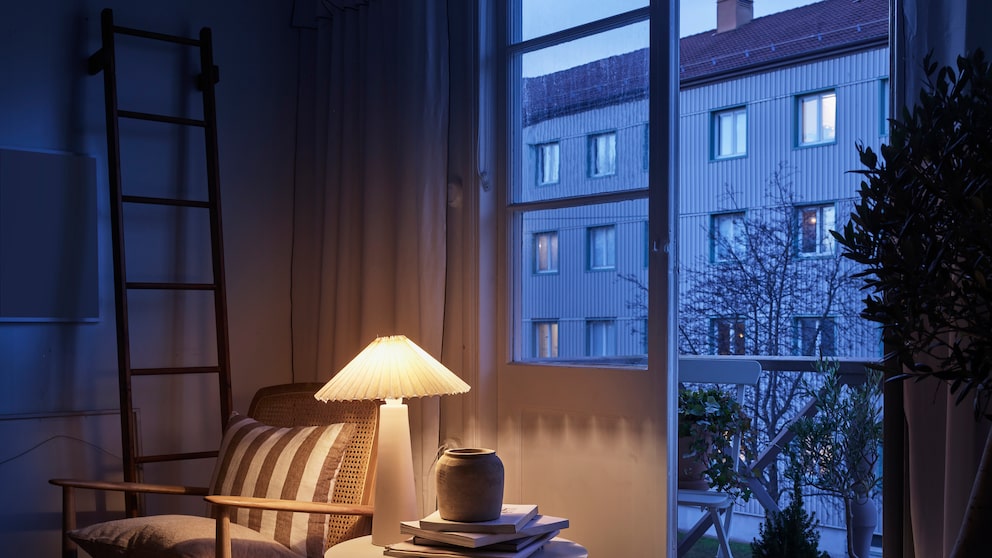
In the darker months, it makes more sense to schedule viewings for the morning or early afternoon. If the appointment is in the late afternoon or evening, it’s hard to assess how much natural light actually enters the rooms. If the windows face south and west, the apartment is usually brighter, as more light can enter the rooms. It would be significantly darker if the windows face east and north. Opposite buildings can also severely restrict the view, which can contribute to daylight being permanently blocked.
Also interesting: Do tenants have a right to a new bathroom?

Colorful Radiators Are in Trend! Here’s How to Paint Them

Advantages and disadvantages of a basement apartment
What to Look for During an Apartment Viewing
Dark Corners, Stains, and Painted-Over Mold
Pay special attention to walls, room corners, and areas behind furniture. In artificial light or low daylight, mold and damp spots can be extremely difficult to detect. Sometimes, large cabinets, dressers, or wall hangings are deliberately used to cover problematic areas. If you notice a slightly musty, earthy smell during the tour, it could indicate that moisture is present in the apartment.
If you suspect a wall is damp, you can discreetly try pressing your fingernail lightly into the plaster or wallpaper, as a damp surface will noticeably give way compared to healthy masonry. Additionally, never ignore color differences in the paint. Lighter or darker spots on exterior walls and around window frames can often be clear signs that they have been freshly painted to cover unsightly mold spots.
Do the Radiators Work?
During the tour, you should also feel the radiators, ideally from top to bottom and left to right. If the top is warm and the bottom is completely cold, or if the heat only spreads near the valve, there is often too much air in the system. Additionally, grille covers can reveal a lot about the performance of the radiators. If thick layers of dust accumulate between the slats, this should be addressed and thoroughly cleaned by the tenant or landlord before handover. Such dirt layers often act as unwanted insulation and reduce heating efficiency.
Furthermore, the dust stirred up by the running heater can cause dry mucous membranes and become a real nuisance for allergy sufferers. The external condition of the radiator also matters, so you should look for peeling paint or rusty spots, which can indicate leaky valves and potential water damage.
The Window Check During the Viewing
Windows often go completely unnoticed during an apartment viewing. You rush through the rooms and only briefly notice them in passing. However, you rarely check if they close properly and are truly airtight. You can test this in seconds with a piece of paper. If it can be easily pulled out when the window is closed, or if you feel a draft, it indicates leaky frames.
Hardly anyone thinks to do the paper test at every window during a viewing. Even less often do people stand in the corner with a lighter to see if the flame flickers. Additionally, multiple interested parties are often invited at the same time, leaving no time to examine the windows calmly.
However, you can discreetly moisten the back of your hand with saliva and wait to see if you feel a cold draft. If there are also water droplets on the edges or the panes are fogged, it could be a sign that cold air is entering unimpeded from outside. This should definitely be addressed during the viewing, as poor windows are the main reason for high heating costs.
The Issue of Noise Pollution
Noise during an apartment viewing can often be a matter of luck. Most neighbors are at work during the day, children are in school, and traffic outside may be quieter than usual. How soundproof the apartment really is and whether you can hear every conversation from next door can’t be easily assessed at that moment. Therefore, you should openly ask the current tenant if families with young children live in the apartments above and how lively the building generally is.
If no one is present during the appointment, you can also inquire with the property management. There might also be an opportunity to visit the building briefly during the evening hours and walk through the stairwell. If the apartment is on a busy street, the quality of the windows is crucial. The glazing plays an important role in ensuring you can relax in the evening after work. It’s best to talk to the landlord again about how soundproof the windows are or open and close them to test it yourself.
Also interesting: These 8 mistakes prevent your heating from getting properly warm
The Safe Way Home During the Dark Season
Lighting on walkways and in stairwells is important in winter to feel safe on the way home. When viewing an apartment during the day, you often don’t think about the lighting of the path in front of the house. It’s only in the darker months that you realize a well-lit path from the bus stop or parking lot is not only more pleasant but also less dangerous. Poorly lit trash can areas, dark corners in the courtyard, or a dimly lit streetlamp in front of the house are not only uncomfortable in everyday life but can also become real tripping hazards, especially when leaves or ice make the paths slippery.
It’s also worth taking a closer look in the hallway. Light switches in the stairwell should be easily accessible and equipped with a small control light to quickly find them and not have to fumble around in the dark to find the apartment door. Additionally, modern motion detectors in the entrance area can be a blessing when you have to search for the keyhole in the dark.