


October 17, 2025, 7:55 am | Read time: 4 minutes
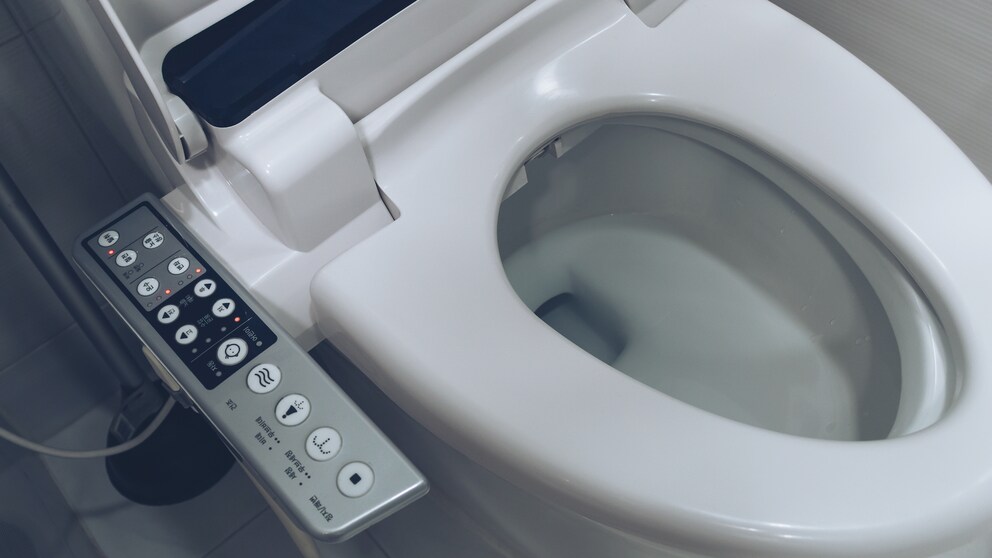
The “smartification” of homes doesn’t stop at the bathroom—or even the toilet. Some may be familiar with the high-tech toilets from Japan, which come with a variety of technical features. Smart toilets are becoming increasingly popular outside of Japan.
Smart heating, smart lighting, smart doorbells—and now smart toilets? The trend isn’t entirely new; travelers to Japan may have already encountered the highly advanced toilets from the Far East. Often dismissed as unnecessary gimmicks, these toilets offer practical advantages for everyday use. myHOMEBOOK consulted the “Central Association for Sanitary Heating and Climate” (ZVHSK) about the current state of technology.
Why Are There Smart Toilets?
A brief digression: “Bathrooms serve hygiene purposes,” explains Matthias Thiel from ZVHSK in response to a myHOMEBOOK inquiry. “People clean themselves there, washing from their face to the most intimate areas of their body.” Naturally, the bathroom should also be clean and hygienic. However, the perception and need for hygiene are quite subjective and vary based on individual attitudes toward dirt, waste, or cleaning. Moreover, these attitudes can change over time, such as during illness, when children are in the household, or in caregiving situations. The number of people using a bathroom also plays a significant role.
So, what do smart toilets have to do with this? Quite simply, according to Thiel, it’s about meeting the described and personal hygiene needs. He provides an example: “There is high demand for toilets without a flush rim, where dirt can accumulate.” According to Thiel, all major sanitary providers now offer these toilets in their range. However, these aren’t truly “smart”—it’s more about a different design.
What Can Smart Toilets Do?
Thiel lists examples of features that characterize truly smart toilets. These can “extract unpleasant odors and then, at the push of a button, clean the intimate area with water and dry it with warm air.” And what is mandatory in food processing also promotes hygiene in private bathrooms—such as sensor-controlled soap dispensers, faucets, and hand dryers. “Another piece of the puzzle is touchless light control,” adds Thiel. There are also switch systems equipped with antibacterial or antimicrobial properties.
Also interesting: What Modern Toilets Can Do
What Is Special About Washlets or Shower Toilets?
In addition to toilets without a flush rim, there are also so-called Washlets or shower toilets in various designs. These are smart toilets with built-in bidet functions. Thiel distinguishes the following features:
- as a full ceramic or for retrofitting
- with or without drying function
- with or without odor extraction
“They all require additional water supply and electricity,” explains the sanitary expert. By the way: A hand bidet for the toilet can be easily retrofitted—no power connection needed.
How to Retrofit a Bidet in Your Bathroom

How Effective Are Toilet Fresheners Really?
What Should You Consider With Smart Toilets?
In general, smart toilets can assist with physical limitations and caregiving. However, shower toilets require intensive maintenance if used over a long period, as nozzles and hoses can become clogged. Additionally, the electric motor occasionally needs care and maintenance.
“You should definitely have a power connection installed for the toilet if you need support with intimate care, especially as you age,” recommends Thiel. This way, you won’t have to install an outlet for the toilet later, which incurs additional costs.
How Much Do Smart Toilets Cost?
Various manufacturers offer smart toilets with a wide range of features. Some can even be connected and controlled via a smartphone app. Typical features in the higher price segment include pulsating or temperature-adjustable intimate showers, odor extraction, warm air drying, descaling functions—many features also with touchless control. The more gadgets, the more expensive the high-tech toilet, with virtually no upper price limit. Generally, a smart toilet costs between 1,000 and 1,500 euros, depending on the features.