


July 25, 2025, 3:06 pm | Read time: 4 minutes
A new EU-wide legal framework is shaking up the battery routine in Germany: Starting mid-August, stricter rules for return, recycling, and sustainability will directly impact consumers and manufacturers. But what exactly is behind the new battery regulation?
Follow myHOMEBOOK on WhatsApp now
New Legal Framework Takes Effect in August
Batteries and accumulators are a constant presence in our daily lives. However, their disposal has often been cumbersome or unclearly regulated. This changes with the Battery Law Implementation Act, which becomes effective in Germany on August 18, 2025. This implements an EU regulation that has been in effect across Europe since February 2024. The goal is to make battery life cycles more sustainable and simplify returns for consumers.
New Battery Categories Aim to Simplify Returns
As part of the law, new categories for batteries are being introduced for the first time. These include:
- LV batteries (for light vehicles like e-bikes and e-scooters)
- Traction batteries (for electric vehicles)
- Starter batteries (used in cars)
- Industrial batteries
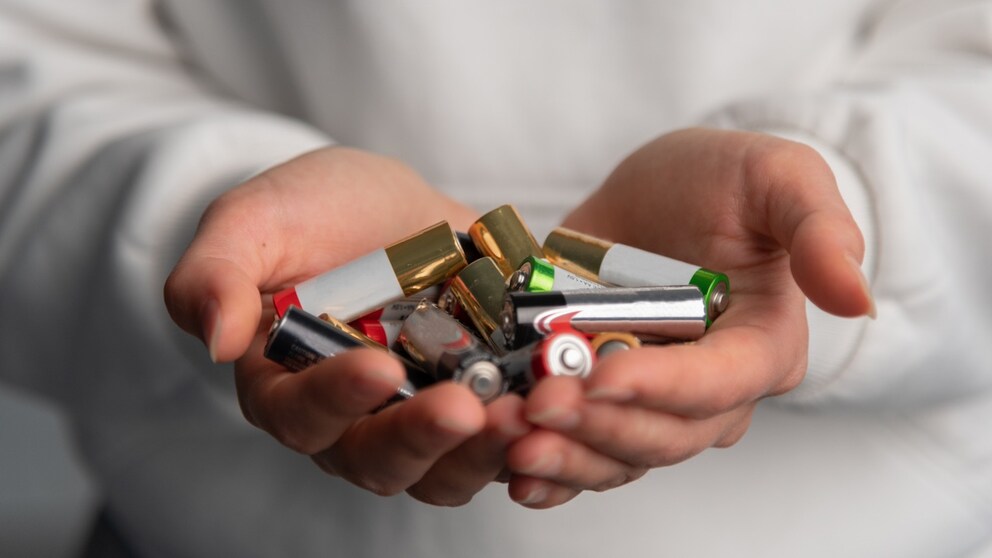
- Device batteries (such as for remote controls or toys)
Depending on the type, different requirements for return, interchangeability, and recycling will apply in the future. The detailed categorization aims to make disposal more transparent and efficient.
More Collection Points and Higher Return Rates
Larger batteries, like those from e-bikes, have not been easy to return until now. However, the new law aims for 73 percent of all device batteries to be returned by 2030, while currently, only a minimum collection rate of 50 percent is achieved in Germany. A significant increase in the return rate is also planned for LV batteries. To achieve this, there will be significantly more collection points in retail and public spaces in the future.
Batteries in Electronic Devices Must Become Replaceable
A key change concerns the design of devices: Starting in 2027, device batteries must be installed in such a way that they can be removed and replaced without special tools. This includes batteries in smartphones, laptops, toys, or wireless headphones. For many manufacturers like Apple or Samsung, this means significant changes in product design.
For consumers, this brings two major advantages. If a battery no longer functions properly, it can be easily replaced without having to dispose of the entire device. Additionally, resources and costs are saved because defective batteries no longer automatically mean the end of a device.
QR Code and Digital Battery Passport Provide More Transparent Information
Starting in 2027, many batteries will receive a QR code that, when scanned, provides information such as capacity, lifespan, and recycling options. Certain battery types will receive a digital battery passport. This includes information on origin, materials used, and the CO2 balance of battery production. This will allow consumers to better understand how sustainable a product really is and make more informed purchasing decisions.

How to Properly Dispose of Electronic Waste

What Energy Labels on Appliances Mean
Manufacturers Obligated: Recycling and Climate Protection
The new battery regulation also imposes clear requirements on manufacturers. They must operate more sustainably and provide transparent information about their production.
From now on, all manufacturers must disclose the CO2 emissions of battery production. Companies with a turnover of more than 40 million euros must more strictly control their supply chains. Starting in 2028, all must indicate the proportion of recycled materials. By 2031, minimum proportions for cobalt, lithium, nickel, and lead will apply. A CO2 limit will be mandatory from 2033.
Is a Nationwide Battery Deposit System Coming to Germany?
An additional proposal is currently under discussion: a nationwide deposit system for batteries. It aims to strengthen the circular economy, conserve resources, and reduce emissions. Whether this system will be implemented is expected to be decided in the Bundestag in October or November 2025.
Until then, the new battery regulation is coming–and it will change not only disposal but also the design of electronic devices and the handling of batteries in everyday life.