

November 26, 2022, 4:50 am | Read time: 2 minutes
Candles are often the perfect touch to create a cozy atmosphere. However, appearances can be deceiving. You might choose a seemingly good and natural product, only to find it’s anything but natural. It’s not always clear how its ingredients are sourced.
The cheapest candles are often made from paraffin, which is primarily derived from petroleum. Opting for candles with plant-based and renewable ingredients doesn’t always mean you’re being sustainable. For example, stearin candles seem like a natural alternative at first glance, but upon closer inspection, they’re not much better. They consist of a mix of plant and animal fats and often trace back to palm oil. Producing palm oil frequently involves deforestation of rainforests. This is highlighted by the Consumer Center NRW.
Also of interest: How can you make candles burn longer?
Look for the RSPO Label
This is also confirmed by a 2021 analysis from the German Environmental Aid (DUH): One-third of the candle manufacturers analyzed did not clearly inform buyers or the DUH upon inquiry whether they use palm oil and if it comes from sustainably certified sources. Therefore, the DUH’s advice for purchasing is to generally avoid products with palm oil that do not have a label or written indication of environmentally and socially responsible cultivation. An example is the RSPO label, which stands for certification by the “Roundtable on Sustainable Palm Oil” initiative.
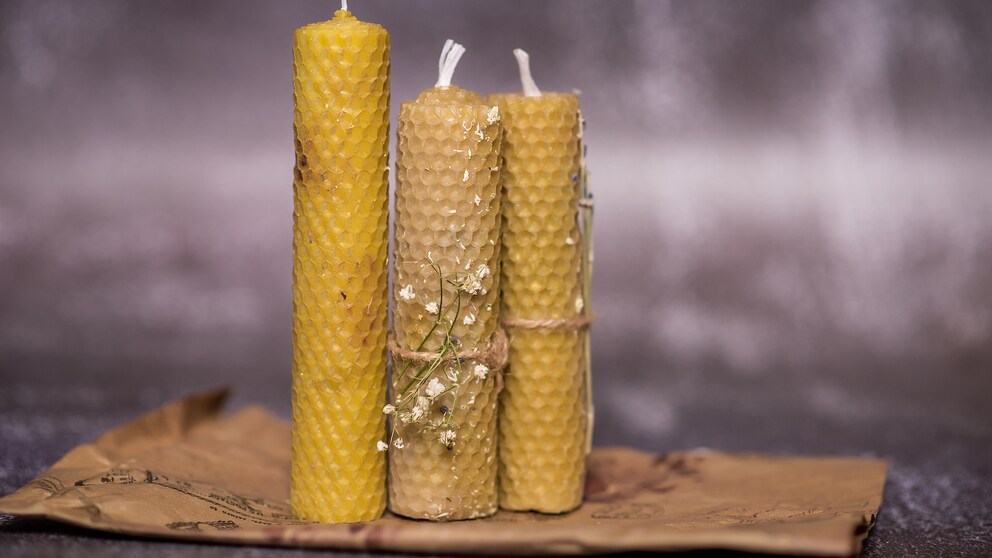
Another alternative is candles made from beeswax. However, you should ensure the authenticity of the beeswax, as some candles only appear to be genuine due to their appearance. The difference can be identified, according to the Consumer Center NRW: Real beeswax candles often develop a white film on the surface and have the typical beeswax scent when you gently rub them.
With material from dpa