


August 10, 2025, 5:03 am | Read time: 4 minutes
The Dyson brand is polarizing. Fans swear by the manufacturer’s household appliances, while critics see them as overpriced status symbols. Without a doubt, however, Dyson is one of the most well-known brands worldwide. This article reveals how the rise from startup to global company unfolded.
The beginnings of Dyson have often been described. James Dyson, a graduate of the Royal College of Art, was frustrated in the late 1970s with his vacuum cleaner, which was losing suction power. In England, he tinkered in his garage with a new vacuum. His inspiration came from cyclones in sawmills that could filter wood chips from the air.
After countless attempts, he developed a functional model of “his” vacuum cleaner, which was supposed to use this technology. Unfortunately, none of the well-known British and American household appliance manufacturers were interested in this invention. After all, they not only earned money from the vacuum cleaners themselves but also from the vacuum bags that customers had to buy regularly. Dyson had identified the filling bags as the cause of the declining suction power of conventional vacuum cleaners. His invention was meant to make the bags unnecessary.
The Breakthrough Comes in Japan
Dyson experienced the decisive breakthrough in Japan. The company Apex licensed his technology and launched the “G-Force” vacuum cleaner. Although it was expensive, it was so stylish and convincing that it won a design award.
Apex paid James Dyson royalties. Enough money to found the company bearing his name in 1993. Thus, he launched the “DC01,” his first own vacuum cleaner, on the market. It used “dual cyclone technology.” An outer cyclone whirled coarser dirt out of the airflow, while the second accelerated the air even more to separate smaller particles from the air.
It wasn’t just the technology that caused a stir. The DC01 also looked different from traditional vacuum cleaners. Within a few years, the device conquered its market in the United Kingdom and made Dyson one of the leading providers.
Innovations Drive the Company Forward
The cyclone technology and the experiences gained in managing airflows form the basis for other products of the company that gradually came to market. A crucial role is also played by the further development of brushless electric motors.
This improved motor, the “Dyson Digital Motor,” plays an important role in the manufacturer’s other devices. They run significantly faster than conventional motors and are also more compact. This not only enabled stronger suction power in vacuum cleaners.
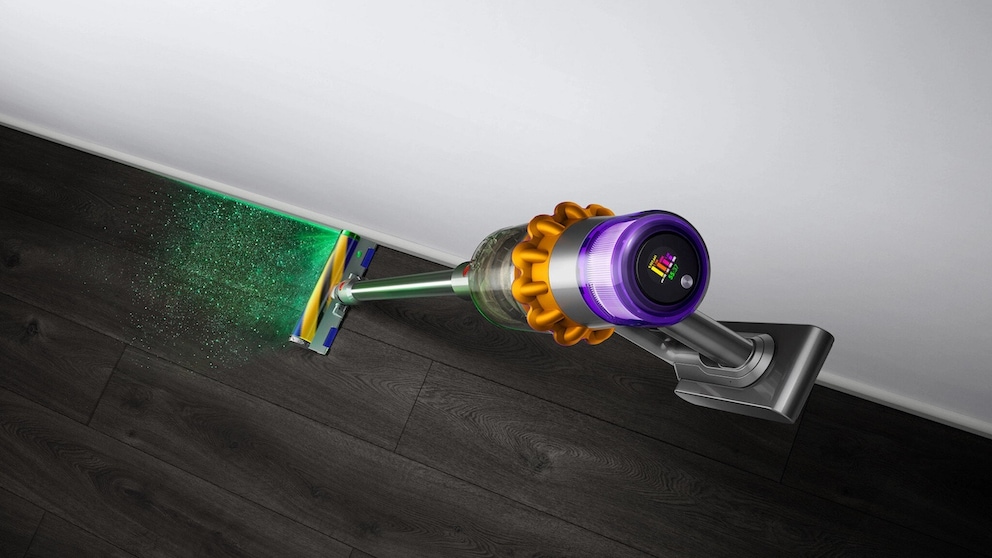
The development of cordless vacuums contributed significantly to Dyson’s success. Compact, lightweight vacuum cleaners that do without bags and make dragging a heavy motor unit unnecessary. The “V” series is still one of the essential pillars for the company’s success today.
Also interesting: Only 3 cordless vacuum cleaners are “good” according to “Stiftung Warentest”
Versatile Product Range for the Household
Today, Dyson’s range includes a whole series of products:
- The vacuum cleaner division remains the core. Here, Dyson offers cordless handheld vacuums, electric floor mops, canister vacuums, and robotic vacuums.
- Dyson’s fans come without visible rotor blades. The devices in this division are also offered with additional functions such as air purification or a heated airflow.
- The digital motor is used in hair care products: The range includes everything from hairdryers to curling irons.
Additionally, Dyson offers lighting and even headphones. Each product features thoughtful details and striking design.
Who Is Behind the Rowenta Brand

For who is a 3-in-1 vacuum cleaner worthwhile?
Where Does Dyson Manufacture?
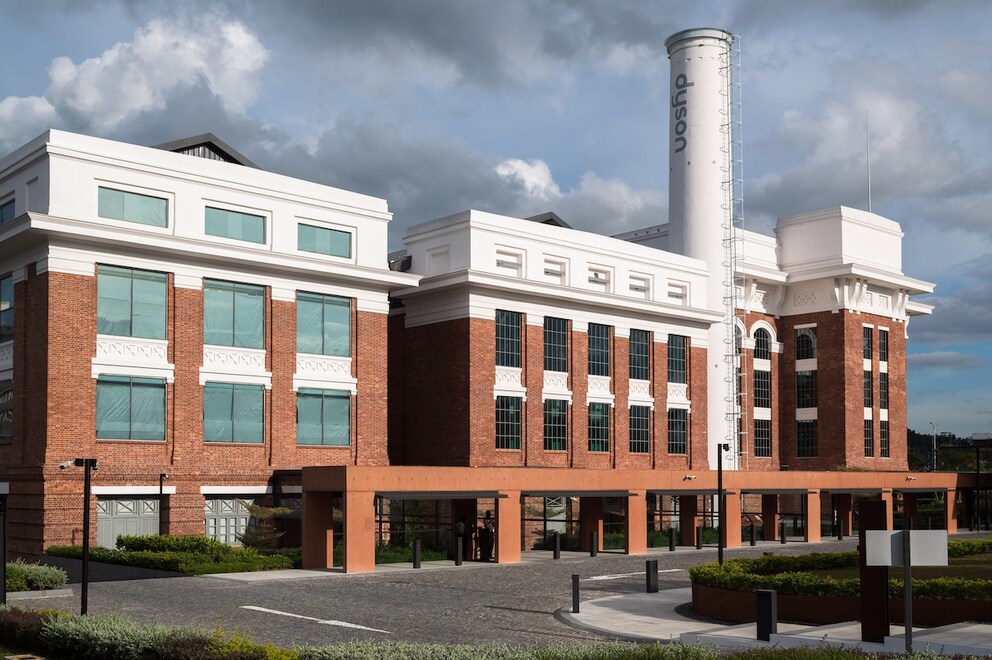
Originally, Dyson manufactured its devices exclusively in the United Kingdom. In the 2000s, a shift began. To reduce costs, the company moved its main production to Asia. This also brought the products closer to the booming markets in the region.
Today, according to our research, Dyson primarily manufactures in Malaysia and Singapore. Since 2019, the company’s headquarters have also been located in Singapore. This made headlines in the United Kingdom, as James Dyson was a strong advocate of “Brexit,” supporting the UK’s exit from the EU.
Where Can You Find Dyson Products?
Dyson products are available both online and in physical stores. Online, Dyson uses its own webshop but also allows sales through electronics chains and marketplaces.
In Berlin, Frankfurt am Main, Hamburg, Cologne, Munich, and Oberhausen, Dyson operates its own stores where customers can try and purchase the products. Additionally, Dyson products are available in electronics market branches and smaller specialty retailers.