


February 7, 2026, 2:11 pm | Read time: 3 minutes
The Rowenta brand is familiar to anyone who watched TV commercials in the ’70s and ’80s. Buying a device with the distinctive logo was supposed to make vacuuming, brewing coffee, or ironing a breeze. myHOMEBOOK author Stephan Lamprecht explains what the brand is all about.
The Birth of the Rowenta Brand
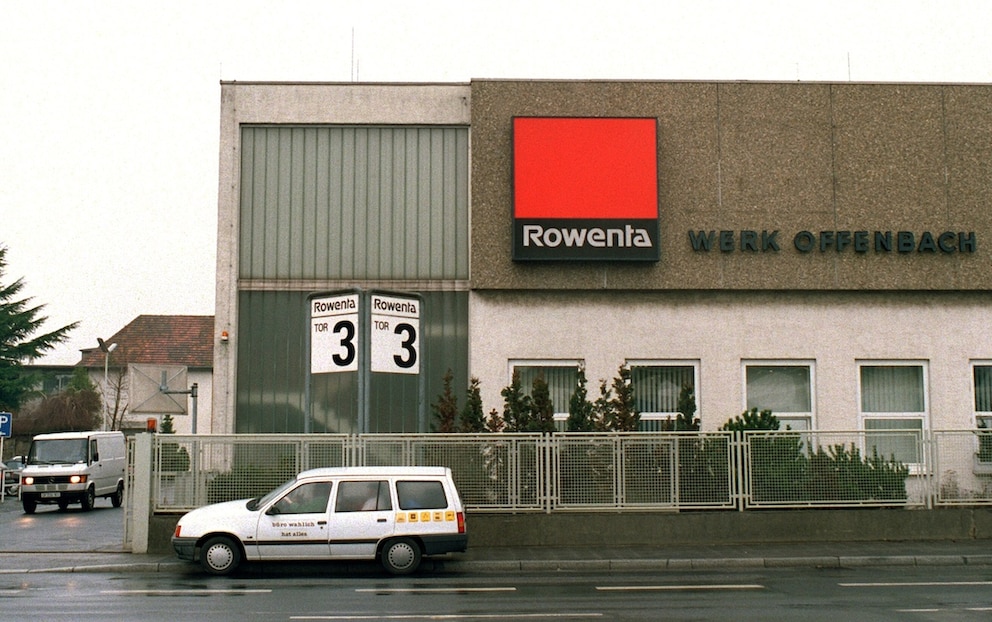
The story begins in 1884 in Offenbach am Main, where the then 24-year-old Robert Weintraud, along with his two partners, founded the company “Weintraud & Comp.” Initially, the small factory produced belt buckles and fittings for the local leather industry.
In 1909, Weintraud renamed his company “Weintraud & Co. GmbH” and registered a brand name. “Rowenta” is an acronym derived from his own name: RObert WEiNTrAud.
How Rowenta Revolutionized the Household
Weintraud was one of the first entrepreneurs to recognize the potential of the increasing spread of electricity. In 1913, Rowenta applied for trademark protection for electric cooking and heating appliances. Two years later, the company launched its first electric toaster, model “E 5003.”
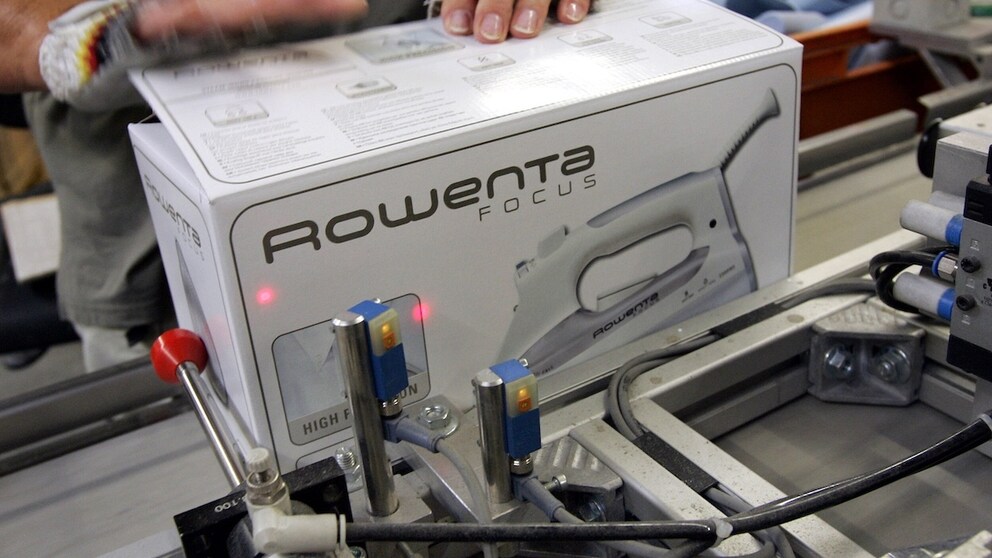
In 1919, an electric iron followed, becoming one of Rowenta’s most important sectors, which was continuously expanded. In 1949, Rowenta introduced the first iron with a temperature regulator and thermostat—a revolution in laundry care at the time. Ironing became literally easier, as Rowenta made the soles of the irons from aluminum and stainless steel instead of iron. In 1957, the company launched another world first with a steam iron.
Expansion and Internationalization
Rowenta was successful and grew. In 1959, a branch plant opened in Erbach in the Odenwald, which became one of the most important production sites for decades. The product portfolio expanded: In addition to irons, coffee machines, kettles, and toasters. From 1948, lighters were added.
In 1963, the U.S. company “Sunbeam Corporation” took over the family-owned company. This marked the beginning of global expansion. In the following years, branches were established in France, Austria, Italy, the Netherlands, the United Kingdom, Belgium, Spain, and the USA.
Rowenta continued to develop product innovations in the 1970s. The company entered the vacuum cleaner market and, in 1972, presented the legendary “Filtermatic” drip coffee maker. In 1976, the first wet and dry vacuum cleaner, the “Bully,” followed.
How Dyson Evolved from a Garage Project to a Global Brand

What Happened to AEG? The Rise and Fall of a German Global Corporation
Changing Ownership
The following years were marked by several changes in ownership. In 1982, Allegheny International from Pittsburgh acquired Sunbeam Corporation along with Rowenta. By 1986, the next change occurred with the Chicago Pacific Corporation.
In 1988, the French Groupe SEB acquired Rowenta and integrated the brand. SEB is still the owner of the brand today. The SEB Group’s portfolio includes other well-known brands such as Tefal, Calor, Moulinex, Krups, WMF, and Emsa.
Rowenta Today
The current product portfolio is broad and includes various categories. In the area of laundry care, Rowenta offers steam irons, steam generators, garment steamers, travel irons, and ironing boards. Floor care includes various vacuum cleaners: canister vacuums, cordless vacuums, wet and dry vacuums, and robot vacuums. There are also climate control devices such as heaters, fans, and air purifiers.
Another focus is on personal care and styling. The range includes hair dryers and styling devices, hair straighteners and curling irons, as well as hot air brushes, hair and beard trimmers.
Production has changed significantly over the decades. The original headquarters in Offenbach was closed in 1997. The plant in Erbach in the Odenwald, once one of the most modern iron factories in Europe, had to close in 2022. Today, the main production of Rowenta devices takes place in China, while some premium products are still manufactured in French plants of the Groupe SEB.