

December 12, 2022, 4:28 am | Read time: 2 minutes
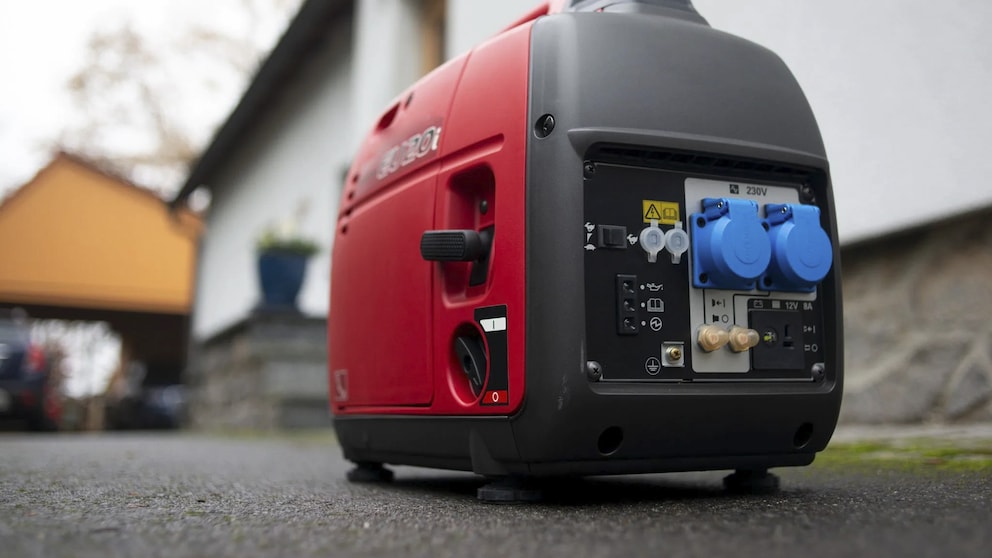
A backup generator seems to be a viable option for some to protect themselves and their households from a blackout. After all, it can generate electricity in an emergency. Is it really worth it? And what should you consider?
Heating, stove, refrigerator, or laptop running despite a blackout–a gasoline-powered generator makes it possible. Out of fear of a blackout, some are considering acquiring a private backup generator. However, with safety in mind, this decision should be carefully considered. According to the Tüv Association, what sounds tempting must be well thought out.
What can a backup generator do?
It starts with the power output, for example. Smaller generators have around 1,000 watts, which can supply a heat pump or the circulation pump of a heating system. However, this is not enough to power an entire apartment.

Power Outage? Options for Generating Your Own Electricity

6 Common Mistakes in Planning and Installing Heat Pumps
Where to place the device?
The next critical point: Where should such a device be placed? Never inside the apartment itself, warns Hermann Dinkler, a Tüv expert on fire and explosion protection. There is a risk of suffocation from exhaust gases. On the balcony or in the garden, noise and exhaust fumes could cause trouble with neighbors.
In the basement, a duct for exhaust air to the outside would be necessary, along with another for fresh air intake. A larger device with more power, connected to the house network, would also require a professionally installed connection line.
Also interesting: What everyone should have at home in case of a blackout
What do experts advise?
In a rental apartment, installation is hardly possible due to the necessary landlord’s permission. And even the installation and operation of a backup generator in one’s own house is, according to Dinkler, far too complex and demanding. His conclusion: “Better leave it alone!”
It can also be dangerous with the gasoline that needs to be stored. According to the law, a maximum of 20 liters may be stored in the basement or garage, and only one liter in the apartment. Even at low temperatures, gasoline vapors can form and lead to an explosion. Therefore, fuel should only be stored in suitable and tightly sealed containers.
with material from dpa