

November 20, 2022, 6:58 am | Read time: 3 minutes
How much electricity does a TV use when it’s in standby mode? And what does it cost if you leave the coffee maker on between two cups? These questions can be answered with the help of so-called electricity meters.
Especially in times of rising energy prices, it’s good to know how much your appliances consume and which ones you might want to turn off more often. Electricity meters can help with that. Stiftung Warentest tested 15 models and is impressed with the vast majority of the devices. The testers awarded one model a “very good” rating and ten models a “good” rating–including the cheapest electricity meter in the test, which costs only nine euros.
How Electricity Meters Work
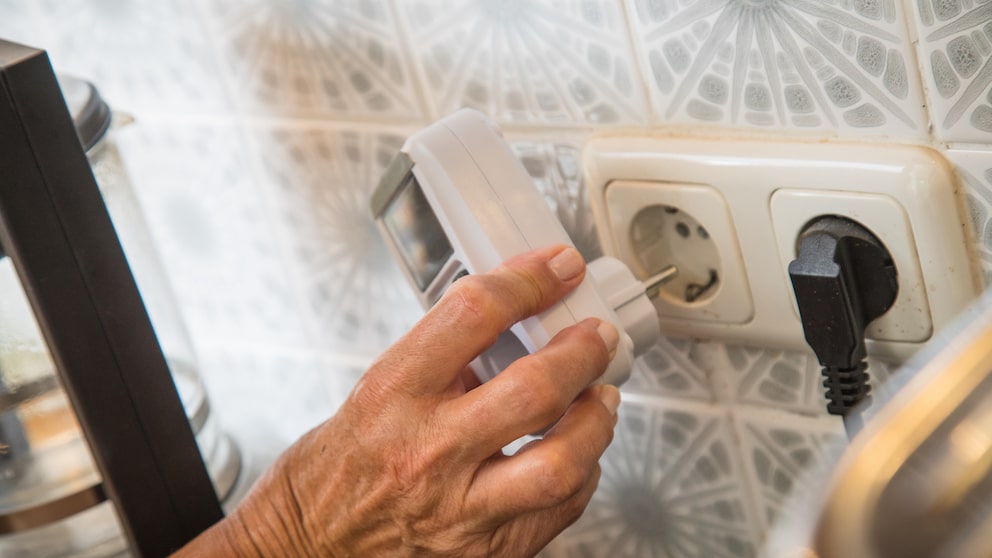
Electricity meters are installed between the device’s plug and the outlet–essentially acting as an intermediary socket. There are classic and smart models. The classic digital electricity meter displays the measurement results directly on the device’s display.
Smart electricity meters are controlled via an app on a smartphone or computer. These smart meters are essentially remotely switchable sockets with the added function of measuring electricity. However, technical requirements may be necessary, such as a provider’s router or an app for a specific operating system. This should be considered when choosing, advises Stiftung Warentest.
Tip: Meters that not only indicate consumption but also calculate expenses in euros can be helpful for understanding.
Also of interest: Which household devices are real energy guzzlers
Electricity Meters in Test
Some manufacturers indicate on the packaging of certain devices that they are not designed for measuring low power levels. However, this should not be a concern–in practice, it is “not a big problem,” according to the magazine “test” (Issue 12/2022).
Although many modern devices have a very low standby value, according to Stiftung Warentest, such as TVs with well under 0.5 watts, these values would hardly make a difference in saving electricity. And in power measurement over 2 watts, most devices are rated good to very good.
The Best Heat Pumps According to Stiftung Warentest

The Best Energy Storage Solutions for Balcony Solar Systems Under 1,000 Euros
Top Performers Among Classic Meters:
- Standby Energy-Monitor SEM 16+ USB by NZR (Rating 1.7 / 193 euros)
- Energy Meter Control Line by REV (1.7 / 17 euros)
- Inspector III Energy Cost Meter by X4-Life (1.8 / 20 euros)
Top Performers Among Smart Meters:
- Fritz!Dect 200 by AVM (Rating 1.5 / 78.50 euros)
- Voltcraft SEM6500 WiFi Energy Cost Meter by Conrad (1.9 / 45 euros)
According to Stiftung Warentest, the price of many devices quickly pays off if you engage with the measured values. An example: A kitchen radio (5 watts) and a stereo system (10 watts) together incur electricity costs of about 45 euros per year in standby mode (0.34 euros per kilowatt-hour).
With material from dpa