


June 22, 2026, 11:17 am | Read time: 5 minutes
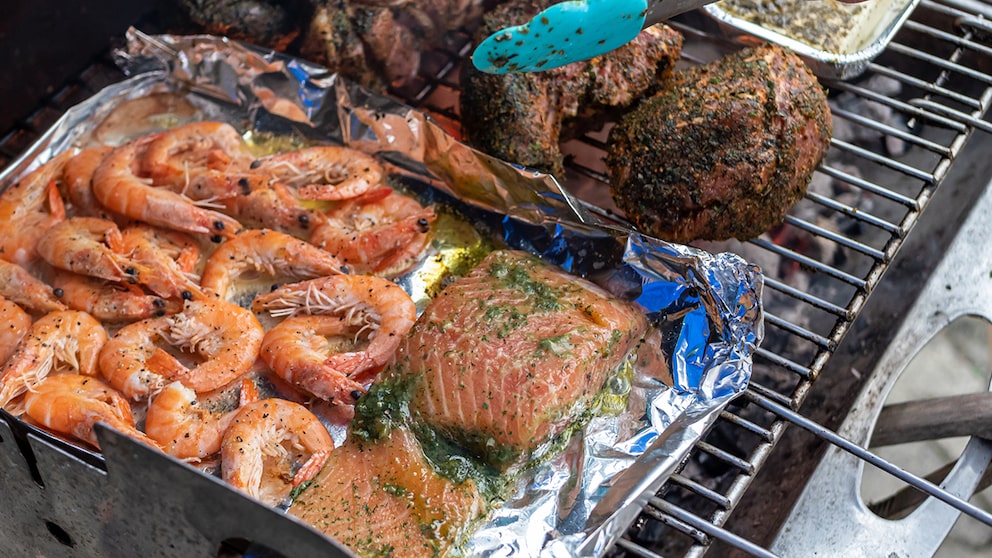
Aluminum trays are a staple for many people during a barbecue. They catch grease, keep the grill clean, and make it easier to prepare vegetables, fish, or marinated meat. However, these convenient disposable helpers also have some drawbacks that are often overlooked. It’s not just about potential health impacts, but also taste, sustainability, and the quality of the grilling results. myHOMEBOOK explains why aluminum trays aren’t always the best choice.
Between Convenience and Criticism
Aluminum trays have been a fixture in grilling culture for decades. They are considered a practical solution for delicate foods and are supposed to prevent grease from dripping directly into the coals. In fact, the Federal Institute for Risk Assessment (BfR) also sees advantages in their use, as they can reduce the formation of certain harmful substances during grilling. At the same time, experts point out that these popular disposable helpers are not without disadvantages. Those who grill regularly should take a closer look–because in terms of taste, sustainability, and handling, there are several arguments against using aluminum trays.
1. Fewer Roasting Aromas and a Weaker Grilling Experience
The biggest disadvantage of aluminum trays is immediately noticeable in the taste. Because the food doesn’t come into direct contact with the hot grill, fewer roasting aromas are produced. Especially with steaks, burger patties, or sausages, the so-called Maillard reaction creates the crispy crust and characteristic flavors that many grill enthusiasts appreciate.
If the food is instead in an aluminum tray, this effect is significantly weaker. Meat remains juicy but often doesn’t develop the desired crust. Vegetables also receive fewer roasting aromas and often taste milder. Those seeking the typical grill flavor usually fare better by cooking directly on the grill.
What is the Maillard Reaction?
The Maillard reaction is a chemical process that creates typical roasting aromas during frying, baking, and grilling. It occurs when proteins and sugars react at high temperatures. The result is the brown crust on a steak, the golden surface of bread, or the caramelized spots on grilled vegetables.
For grill enthusiasts, the Maillard reaction is particularly important because it provides the intense flavor many associate with a successful barbecue. It requires temperatures of about 284 to 356 degrees Fahrenheit and as direct contact with heat as possible. When grilling meat or vegetables in an aluminum tray, these high temperatures on the surface are often less effectively achieved. As a result, fewer roasting aromas are produced, and the food often tastes less intense than when prepared directly on the grill.
2. Aluminum Trays Create Unnecessary Waste
Another disadvantage concerns the environment. Most aluminum trays are disposable products and are discarded after grilling. Especially in the summer months, large quantities of these trays accumulate at barbecues, club events, or family gatherings. Although aluminum is generally recyclable, this is not always easily achieved in practice.
Contamination from grease, marinades, or food residues significantly hinders recycling. If the trays are not disposed of correctly or are heavily soiled, they often end up in general waste, resulting in the loss of valuable raw materials. Given the numerous reusable alternatives made of stainless steel or cast iron, the use of disposable aluminum trays seems increasingly outdated. Those who want to grill more sustainably can avoid a lot of waste with durable products.
Related: What to consider when grilling in the summer
3. Liquid Accumulates in Aluminum Trays
Aluminum trays not only catch grease but also juices from meat, marinades, and water from vegetables. As a result, liquid often accumulates at the bottom of the tray during grilling. The food sits partly in its own juices and is more steamed than grilled.
This effect can lead to a softer consistency than desired, especially with vegetables, fish, or marinated meat. Instead of a crispy surface, a more steamed result is produced. Many grill enthusiasts therefore prefer grill baskets or special stainless steel pans, where excess liquid can evaporate more effectively.

Which Meat Shouldn’t Go on the Grill

How Does a Pellet Grill Actually Work?
4. Aluminum Can Transfer to Food
In addition to practical and ecological disadvantages, there are also health aspects that argue against the frequent use of aluminum trays. Experts have been pointing out for years that aluminum can transfer to food under certain conditions. Especially when highly salted or acidic foods like marinated meat, fish with lemon juice, or vegetables with vinegar are placed on the tray, the protective surface of the metal can partially dissolve. This is also confirmed by Sophie Brühnke, a nutrition expert from FITBOOK: “Especially under these conditions, many particles of the metal transfer to the food. In healthy individuals, the body largely excretes aluminum through the kidneys. However, residues can remain in the body and cause damage. Those with kidney disease should avoid it altogether.”
While occasional barbecues with aluminum trays are not considered an acute health risk according to current knowledge, it is still recommended to avoid unnecessary contact between aluminum and food. “However, meat and skewers should not be placed directly on the grill, as other dangers lurk. For one, fat from the meat can drip into the flames–if it burns, bluish smoke is produced, which contains toxic substances like polycyclic aromatic hydrocarbons (PAHs). As the smoke rises, some toxins stick to the food. It’s best to use aluminum-free and reusable grill trays, such as those made of stainless steel,” explains Brühnke.
What Alternatives Are There?
Those who want to avoid aluminum trays don’t have to sacrifice convenience. There are numerous reusable alternatives available, including stainless steel grill trays, vegetable grill baskets, or cast iron pans for delicate foods. These products are durable, heat-resistant, and can be used for many years.
Moreover, they often deliver better grilling results. Stainless steel and cast iron retain heat particularly well and promote the formation of roasting aromas. Although the initial cost is higher than for disposable aluminum trays, the investment pays off in the long run due to their long lifespan and better quality when grilling.