


May 2, 2025, 4:11 am | Read time: 5 minutes
Slugs, voles, aphids, spider mites, and vine weevils–hardly any garden remains permanently free from such pests. But with the right combination of prevention, natural remedies, and patience, much can be achieved.
Gardens are little paradises–for us, but unfortunately also for many unwelcome guests. Whether in vegetable beds, on rose bushes, or fruit trees, some pests can cause significant damage in a short time. Those who know the typical culprits and their characteristics can target them in an environmentally friendly way. Often, less is more–and patience is as valuable a helper as beneficial insects or tried-and-true home remedies.
Follow myHOMEBOOK on WhatsApp now
1. Slugs
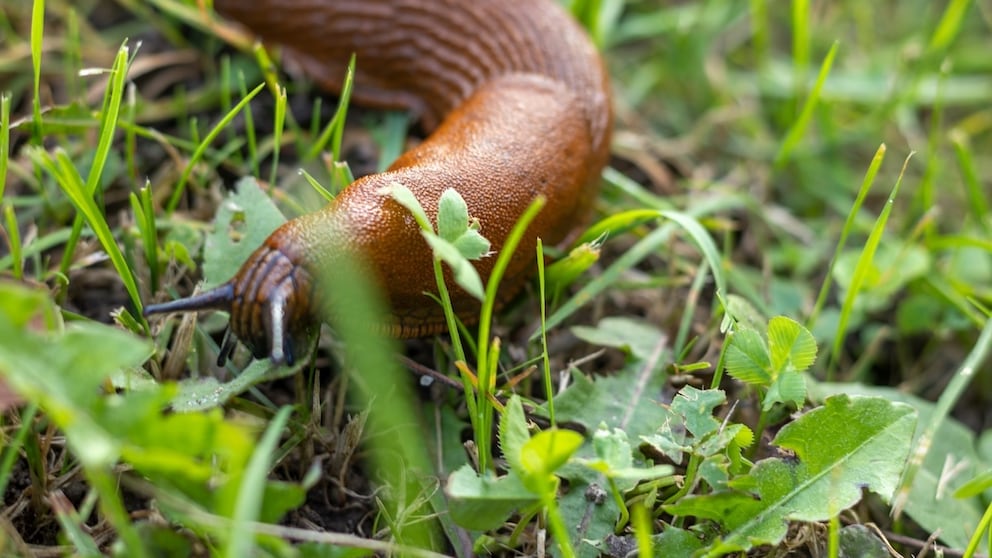
- Damage: 2024 could go down in garden history, as rarely has a slug infestation been so extreme. Empty beds, perforated leaves, and slime trails were found almost everywhere. Many gardeners will still remember this.
- Prevention: Watering early in the morning and specifically at the root area of plants, or using underground irrigation aids like Ollas, keeps the soil dry. Slugs don’t like that. Home remedies like coffee grounds, eggshells, or sawdust make it uncomfortable for slugs. Additionally, slug collars, slug fences, copper bands, or special protective coatings for bed borders or plant containers help. Plants can also help manage slugs a bit. Marigolds, for example, taste so good to slugs that they often ignore other nearby plants.
- Control: The most effective method is collecting slugs with a slug tongs or gloves at dusk or after a rain shower. Beneficial creatures like hedgehogs, ground beetles, or toads also provide good service. Slug pellets should be avoided. If you still feel you can’t do without them, choose variants containing the active ingredient iron-III-phosphate, as it is considered less problematic.
2. Aphids
- Damage: With their piercing-sucking mouthparts, aphids tap into the plant sap. The leaves become deformed or curl up. Additionally, the aphids secrete sticky honeydew, which not only attracts ants but also serves as a breeding ground for sooty mold fungi. These settle black on the leaf surface and disrupt photosynthesis.
- Prevention: Strong plants are less likely to get sick. Balanced fertilization without too much nitrogen and consistent water supply make plants in the garden more resistant to pests.
- Control: For light infestations, it is often enough to spray the aphids with water or gently wipe them off. Spraying with soap or a water-rapeseed oil mix can also be helpful. If you don’t want to take action yourself, make your garden attractive to birds like tits, sparrows, robins, or wrens, as aphids are high on their menu. Other natural enemies like ladybugs, lacewing larvae, or parasitic wasps also target aphids. They can be specifically purchased and released, but they work better in greenhouses than in open fields.
3. Voles
- Damage: Voles feed on the roots of vegetables, flowers, and shrubs. Typically, plants suddenly wilt and can be easily pulled from the ground.
- Prevention: Protective measures can be taken during planting. Large, preferably ungalvanized wire mesh baskets for fruit trees or special planting baskets for flower bulbs prevent roots from being eaten. Regular soil loosening or planting specific plants like crown imperials, sweet clover, elderberry, or garlic can be a preventive measure.
- Control: Repellents like butyric acid, hair, elderberry slurry, garlic, or carbide can help, but are not reliably effective. Besides the neighbor’s cat, attracting natural predators like birds of prey, weasels, or house cats can bring good results. Also helpful: vole traps. Whether live traps are truly more humane is questionable, as captured mice often die painfully in these traps, since not every gardener has the time and inclination to check the traps at very short intervals.
More on the topic

What to Know About Caring for Citrus Plants
Grain Weevils: How to Get Rid of the Pest
4. Spider Mites
- Damage: Spider mites are tiny but extremely harmful. They appear mainly indoors and in greenhouses, but can also be found in gardens. When active, they leave speckled, dull leaves that wilt and fall off. Often visible: fine webs at shoot tips or on the undersides of leaves.
- Prevention: The pests love dry, warm air. In greenhouses, regular ventilation and increasing humidity help. In open fields, occasional spraying and targeted plant strengthening can prevent an infestation.
- Control: For light infestations, a strong spray often helps. Additionally, rapeseed oil or tea tree oil-water mixtures can suffocate the pests. Those who prefer purchased preparations will find several products on the market that are also approved for organic farming.
5. Vine Weevils
- Damage: Adult beetles eat notched holes in leaves, especially on rhododendrons, roses, hydrangeas, cherry laurels, or clematis. However, their larvae are much more dangerous. They live in the soil and feed on roots, leading to wilting leaves and the death of the plant.
- Prevention: Besides strengthening plants, there are few preventive measures against vine weevils.
- Control: Special nematodes are a helpful tool in the fight against vine weevils–they infect the larvae and kill them. Another option is using neem press cake, which inhibits the larvae’s appetite. However, neem press cake and nematodes should not be used simultaneously, as the active ingredient also kills nematodes. Also useful in the fight against vine weevils: moles, hedgehogs, and lizards, as well as chickens.