


April 16, 2026, 4:27 am | Read time: 3 minutes
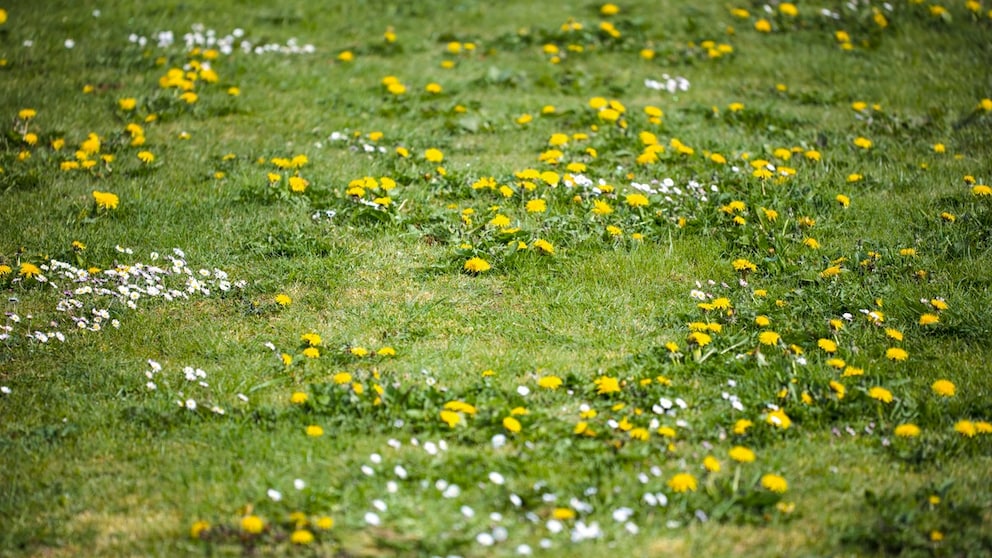
Yellow flowers, jagged leaves, and particularly stubborn to remove: Dandelions are a nuisance for many garden owners. But the plant is more than just a weed. As an indicator plant, dandelions provide valuable insights into soil conditions. Understanding this can help improve your lawn. A lawn expert explains what you should know.
What Is an Indicator Plant?
Indicator plants are generally plant species that prefer certain site conditions. Their presence reveals a lot about the soil, such as nutrient content, moisture, or compaction. In addition to marigold, hare clover, and spurge, dandelion (Taraxacum officinale) is also considered an indicator plant.
Why Does Dandelion Grow in the Lawn?
When dandelions spread in the lawn, it’s rarely by chance. They often indicate typical soil problems.
Nutrient-Rich Soil
“Dandelions prefer loamy, nitrogen-rich, and well-rooted soils,” informs Dr. Harald Nonn from the German Lawn Society. A heavily fertilized lawn or nutrient-rich soil provides ideal conditions for the weed.
Compacted Ground
Dandelions have a particularly deep taproot. The expert explains: “The deep taproot helps dandelions with water and nutrient supply.” This trait makes them true survivors. The strong root system is a real advantage in compacted soils. Lawn grasses can’t compete.
Imbalance in the Lawn
Dryness, shade, or improper care can create gaps in the lawn. Dandelions are happy to fill these gaps.
Note: Dandelions provide clues about soil conditions in the garden. The presence of the weed often indicates that the soil is too nutrient-rich or compacted. The lawn should be cared for accordingly. Regular aeration improves ventilation, allowing grasses to root more deeply. Instead of frequent fertilization, a needs-based, restrained fertilization of the lawn is advisable.
When It’s Worth Sanding Your Lawn

Waterlogged Lawn? Expert Explains What to Do
Is Dandelion Bad for the Lawn?
Visually, dandelions can be perceived as disruptive. But that doesn’t necessarily mean they’re bad for the lawn area in the garden. In fact, the weed brings several positive attributes: It loosens the soil, brings nutrients to the surface, and serves as an important food source for insects.
How dandelions are viewed depends on personal preference for the lawn’s appearance. Nonn says: “A green space doesn’t have to consist solely of grasses.” While intensively used areas can be made up of lawn grasses, less-used or unused areas can grow taller and include flowering herbs.
Getting Rid of Dandelions–What Really Helps
If you prefer a dense lawn without flowering weeds, you must actively push back dandelions. A holistic approach is crucial. A dense lawn is the best prevention: “The denser a lawn grows, the higher the competitive strength of the grasses,” says the lawn expert. Weeds like dandelions then find it harder to spread. Regular mowing, reseeding, and balanced care strengthen the grasses.
If dandelions still appear, mechanical removal is particularly effective. When digging out the plant, be sure to remove the taproot as well. “I estimate the root should be at least ten centimeters deep,” says the expert. If root remnants remain in the soil, the plant often regrows.
In stubborn cases, the use of plant protection products can be considered. “Selective herbicides are indeed effective in the lawn. They also combat the roots and prevent regrowth,” Nonn notes. However, the use of chemical agents should be carefully considered, especially regarding the environment and insects.