



October 9, 2026, 4:23 am | Read time: 3 minutes
The gardening season is coming to an end, but many tomato plants still bear green or light red fruits. While tomatoes can ripen indoors after harvest, they usually don’t match the flavor of those left on the plant until the end. This makes it all the more important to know how long tomatoes can stay outside in the fall without being damaged.
Tomatoes Can Stay Outside Until the First Frost
Although tomatoes are true sun lovers, they can generally remain outdoors until the first frost nights are forecast. The plants can usually withstand temperatures just above freezing, but they no longer feel comfortable. When night temperatures consistently drop below 50 degrees Fahrenheit, the tomato grows significantly slower, and the fruits only continue to ripen hesitantly.
At the latest, when temperatures approach 41 degrees Fahrenheit, many plants largely stop their development. Tomatoes do not tolerate frost at all. Even light night frost can damage leaves and shoots. With more severe subzero temperatures, the plants usually die completely.
Cold Nights Are Not the Only Autumn Problem
With autumn, the risk of frost increases, but so does the risk of wet weather affecting tomatoes. Persistent rain promotes fungal diseases such as late blight, which can affect entire plants within a few days.
Additionally, ripe fruits are more prone to cracking with strong temperature fluctuations and high moisture. Therefore, those cultivating tomatoes outdoors should regularly harvest healthy and already ripe fruits rather than leaving them hanging unnecessarily long.
Tomatoes are somewhat more protected under an eave, against a house wall, or in a greenhouse. This can often extend the harvest season a bit.

How to Tell if Green Tomatoes Are Ripe
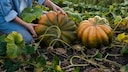
What to Watch Out for When Harvesting Pumpkins
How to Better Ripen the Last Tomatoes on the Plant
In the fall, it’s worth directing the plant’s energy toward the existing fruits. New blossoms now have little chance of producing ripe tomatoes before winter. They can therefore be removed. Very small fruit sets can also be pinched off if necessary. The plant then invests its energy in the already existing tomatoes. However, one should not overdo it: Removing too many healthy leaves at once can weaken the plant. After all, it still needs the foliage for photosynthesis and thus for the ripening of the fruits.
What to Do When Frost Is Forecast
As soon as the first frost night is imminent, it’s time for the final harvest. Then the remaining fruits should also be taken from the plant. Many tomatoes will continue to color afterward, even if they were not fully ripe at harvest.
For the plant itself, the first frost usually marks the end of the season. Those who want to grow tomatoes again next year should remove the plants from the bed afterward and prepare the site for the upcoming gardening season.