


May 4, 2026, 3:02 pm | Read time: 4 minutes
The sun is shining, and the temperatures already feel like early summer. In many gardens, tomatoes, cucumbers, or zucchini are already in the beds. However, with the Ice Saints in mid-May, cold nights, sometimes even with ground frost, threaten once more. For sensitive plants, this can quickly become a problem. The good news: With simple measures, even a garden that is already planted can be effectively protected. myHOMEBOOK gardening expert Franka Kruse-Gering explains what needs to be done now.
When Are the Ice Saints?
The Ice Saints occur every year in mid-May and are considered the last possible cold spell in spring. During this period, despite often mild temperatures, late cold snaps can still occur, especially on clear nights. According to Wetter.com, “While the Ice Saints in northern Germany begin as early as May 11, they last from May 12 to 15 in southern Germany.” Accordingly, the risk of ground frost remains for varying lengths of time depending on the region. Therefore, it is advisable to plant sensitive plants permanently outdoors only after these days. Alternatively, one should protect them well until then.
Consistently Protect Sensitive Plants
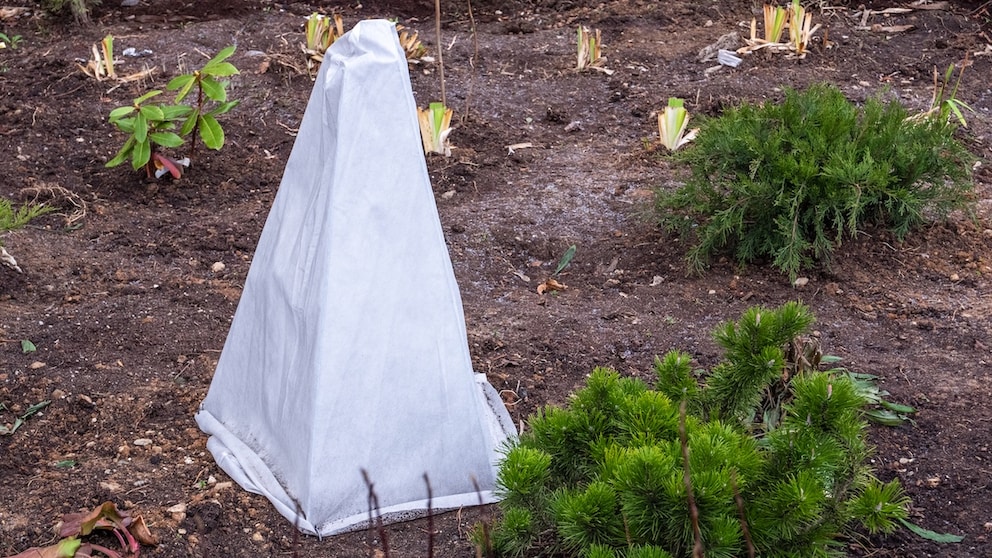
Heat-loving crops such as tomatoes, cucumbers, zucchini, peppers, or even basil are sensitive to temperatures in the single digits. If they are already in the bed, they lack the natural protection that a greenhouse or indoor spaces provide. It is all the more important to cover them specifically on critical nights. Garden fleece is the first choice here, as it is breathable and insulating. It prevents the heat from dissipating too quickly, thus reducing the risk of cold damage. Alternatively, foil, blankets, or cloths can also be used. The key is that the cover lies loosely and does not “stick” directly to the leaves. A small air cushion provides additional insulation and significantly improves the protective effect.
Place Potted Plants in Protected Locations
Plants in pots and containers have a clear advantage during this phase. They can be moved to protected locations without much effort. Places directly against house walls are particularly suitable, as they store heat during the day and release it at night, creating a slightly milder microclimate. In the event of announced cold snaps, it may be advisable to temporarily place sensitive plants indoors, in the garage, or in a stairwell. Even an unheated room often provides enough protection to avoid critical temperatures. However, it is important to bring the plants back outside during the day so they continue to receive enough light.
Give Beds and Greenhouses Additional Protection
Even already planted beds can be effectively protected with simple means. Small constructions can be quickly built using wire hoops, wooden slats, or flexible rods, over which fleece or foil is stretched. These act as a kind of mini greenhouse and ensure that the heat stored during the day escapes more slowly. In the greenhouse itself, it can cool down significantly at night despite the protected location, especially if there is no additional heat source. Here, too, it is advisable to cover sensitive plants with fleece. At the same time, it is essential to ventilate on sunny days to avoid strong temperature fluctuations and heat buildup.

Why the Ice Saints Are Crucial for Hobby Gardeners

How Weather Fluctuations Affect Garden Plants
Prepare and Use the Soil Strategically
The soil plays an often-underestimated role in cold protection. Slightly moist soil can store heat better than dry soil, as water has a higher heat capacity than air. Moderate watering in the late afternoon can help mitigate temperature fluctuations on cool nights in the range of about 2 to 5 degrees. However, if temperatures drop toward 0 degrees or below, this effect is no longer sufficient—then even moist soil cools down significantly, and freezing water in the soil can further stress the roots. In such cases, direct protection of the plants, such as with fleece, remains crucial. It is also important to maintain a balanced level: Waterlogging should be avoided at all costs, as it damages the roots and further stresses the plants. A loose layer of mulch is particularly useful during this phase, as it acts like an insulating blanket, retaining heat in the soil and reducing temperature fluctuations overall.
Strategically Mound or Individually Protect Plants
Especially for already planted vegetable plants, it can be useful to provide additional protection for the sensitive root and stem area. By lightly mounding soil or compost around the plant, the base is insulated and protected from the cold. For individual plants, simple “protective hoods” are also an option: Upside-down pots, buckets, or cut-off PET bottles can be temporarily placed over them and act like small bells. They keep the heat directly at the plant and reduce the risk of cold damage on particularly critical nights. It is important to remove these covers during the day to prevent heat or moisture from building up underneath.